World Architecture Day: 3 perspectives on how light inspires and prevails
05.10.2026
- Light & Learn
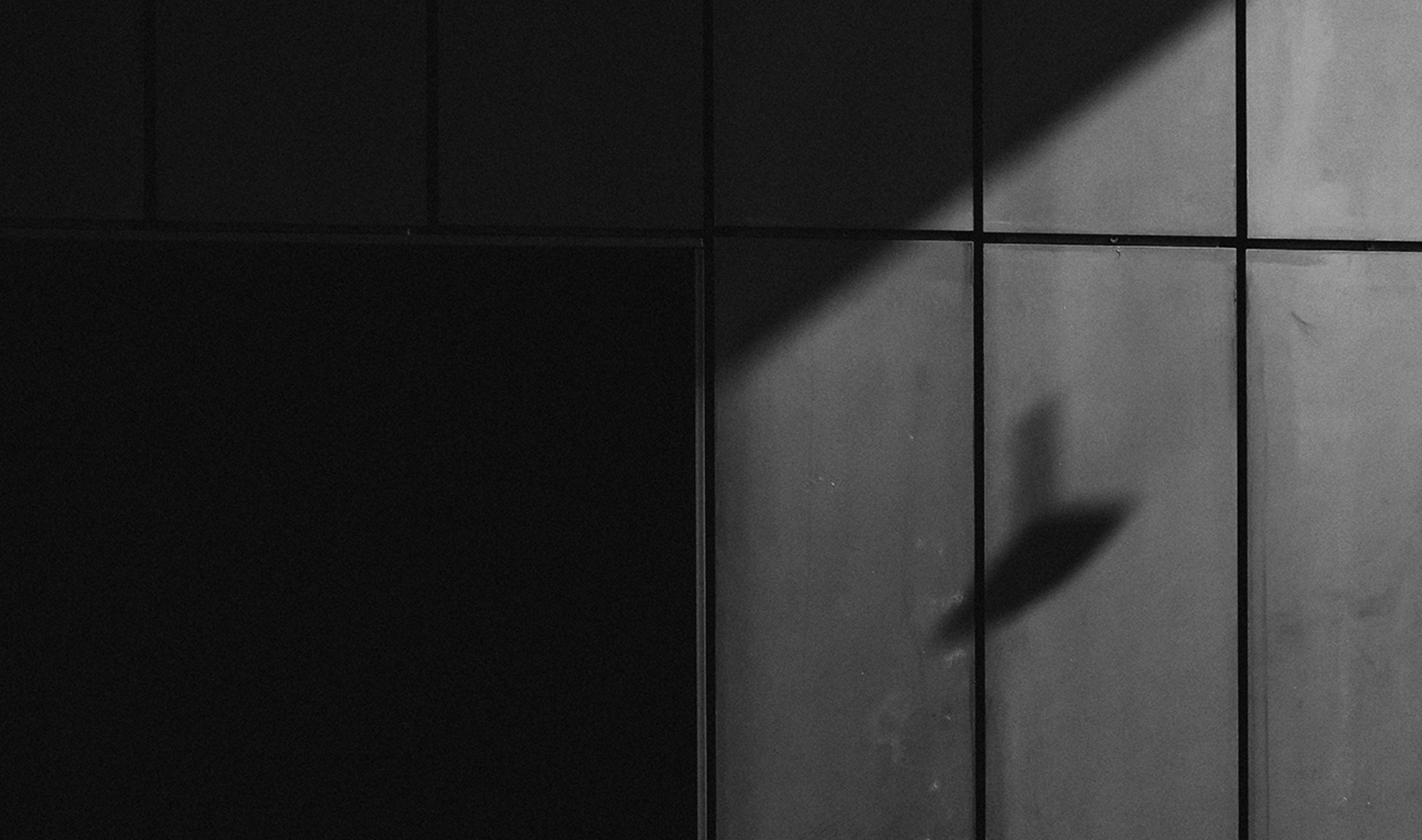
Architectural lighting goes far beyond simply making a space visible. Light helps us perceive materiality, accompanies us, and shapes our experience as inhabitants of these spaces.
Throughout history, different ways of building have emerged and transcended eras, influencing how we inhabit spaces today. Why do some works of architecture stand the test of time? How can lighting transcend the passing years?
To mark World Architecture Day, we spoke with architects Laura Moreno (Balzar Architects), Cristina Anglès Farré (L35 Architects) and Sergio Alfonso (Francesc Rifé Studio), each with a distinct approach but united by the same respect for light. Through their reflections, we trace a brief journey connecting the lessons of classical architecture with contemporary ways of perceiving space, with light as the common thread.
To explore this, we asked ourselves: Which projects inspire architects when they think about lighting?
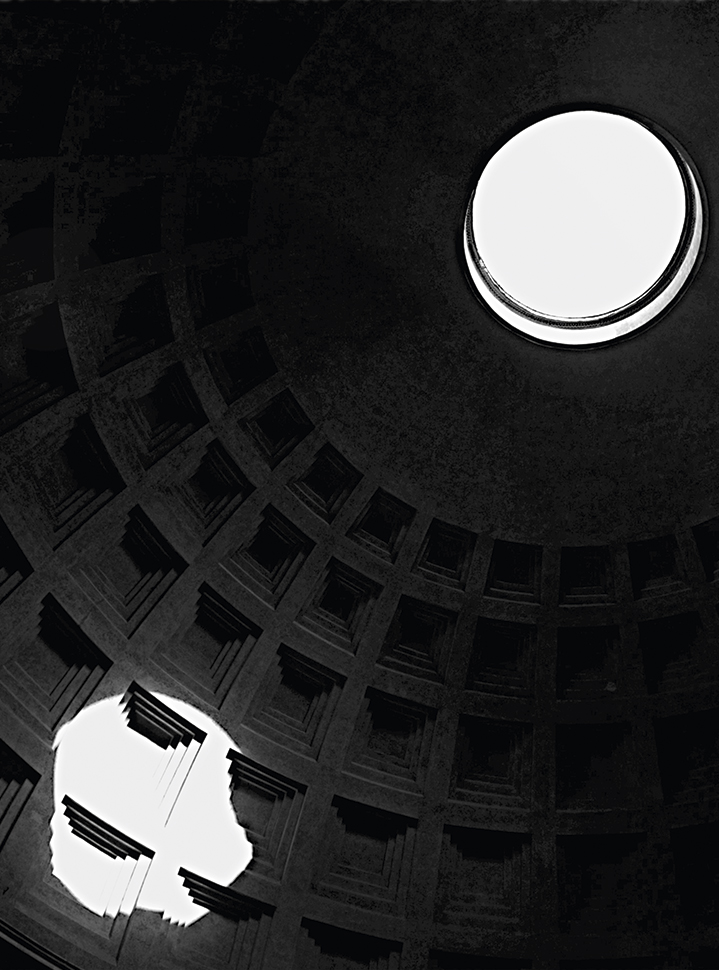
The Pantheon in Rome: When light becomes architecture
The inspiration behind Balzar Architects
If there were one building capable of demonstrating the transformative power of light, for Laura Moreno, architect at Balzar Architects, the answer would be immediate: the Pantheon in Rome.
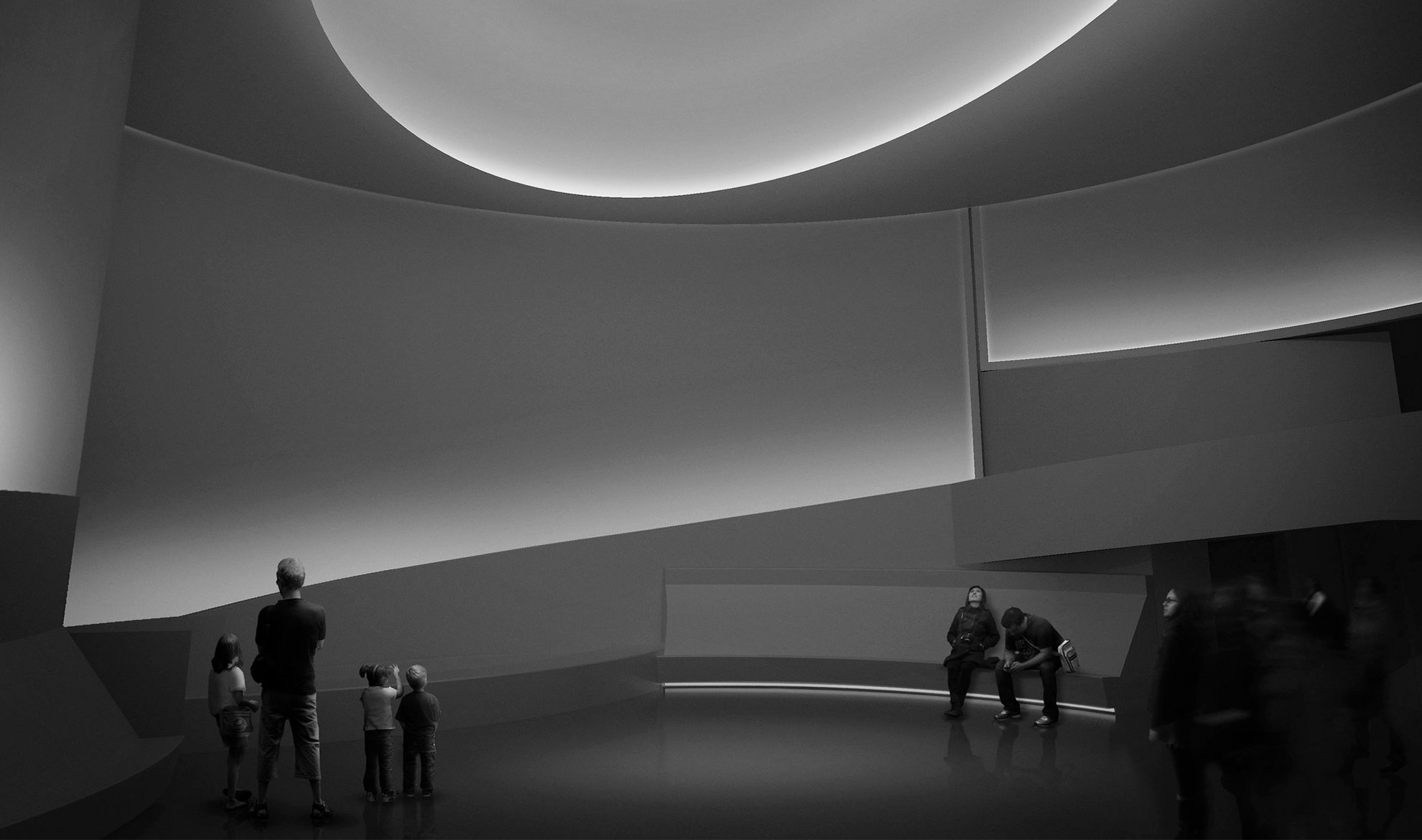
What makes this building a timeless reference is the radical simplicity of its approach. All the natural light entering the space comes from a single circular opening at the top of the dome. With no windows or additional devices, one architectural gesture is enough to bring the sky, the passage of time, and changing weather conditions into the interior of the building.
For the studio, the most fascinating aspect of the Pantheon is that light does not act as a finish or as a later addition. It is, quite literally, the material from which the project is built.
Image: “Panteón de Agripa (Roma)” by David V.A. is licensed under CC BY-SA 2.0.
“Throughout the day, a circle of sunlight moves across the walls and dome, turning the building into a sundial. Every time you enter, you find it transformed.”
Laura Moreno
Light as a source of calm
This vision also shapes the studio’s approach to residential projects.
Through lighting, Balzar seeks above all to create a sense of calm. Rather than embracing uniform illumination, the studio advocates for spaces where brighter areas coexist with others in shadow.
As they explain, shadow is also an integral part of domestic architecture. It adds depth, intimacy, and a sense of well-being. Likewise, they consider it essential for natural light to convey the passage of time—from the changing light of morning to afternoon to the subtle shifts between seasons.
Artificial lighting follows the same philosophy: warm, understated, and carefully integrated. Its purpose is not to compete with the space, but to accompany it and extend its atmosphere after night falls.
As a summary of their approach, Balzar offers a particularly revealing idea: the best light is the light you feel before you see it.
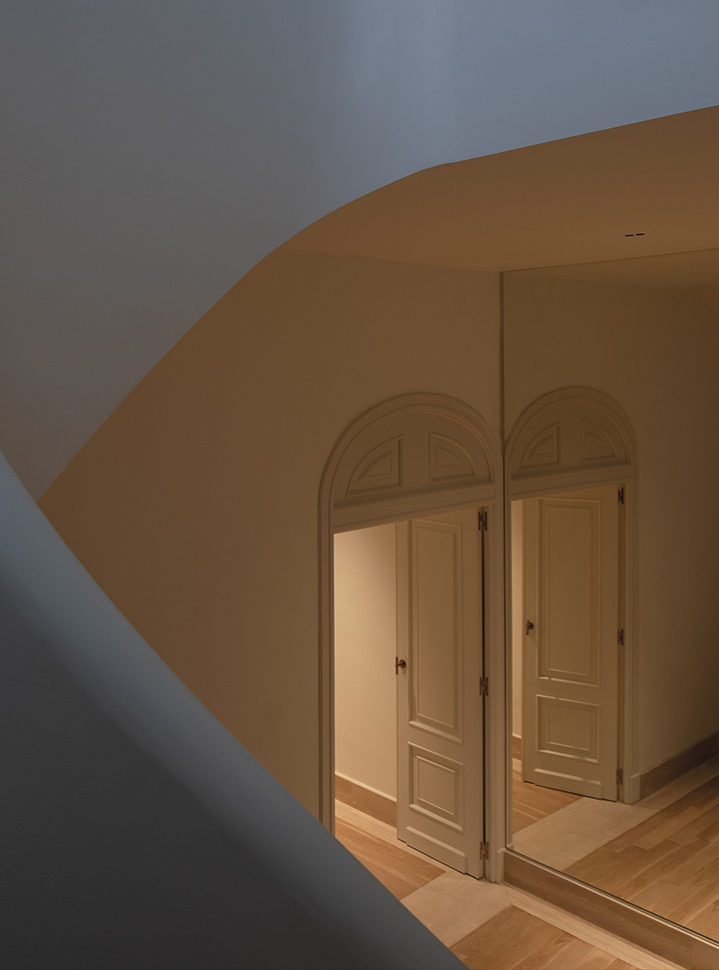
“We want natural light to change throughout the day and across the seasons, so that those who live there can sense it without even thinking about it.”
Laura Moreno
Japanese architecture and the value of shadow
The inspiration behind L35 Architects
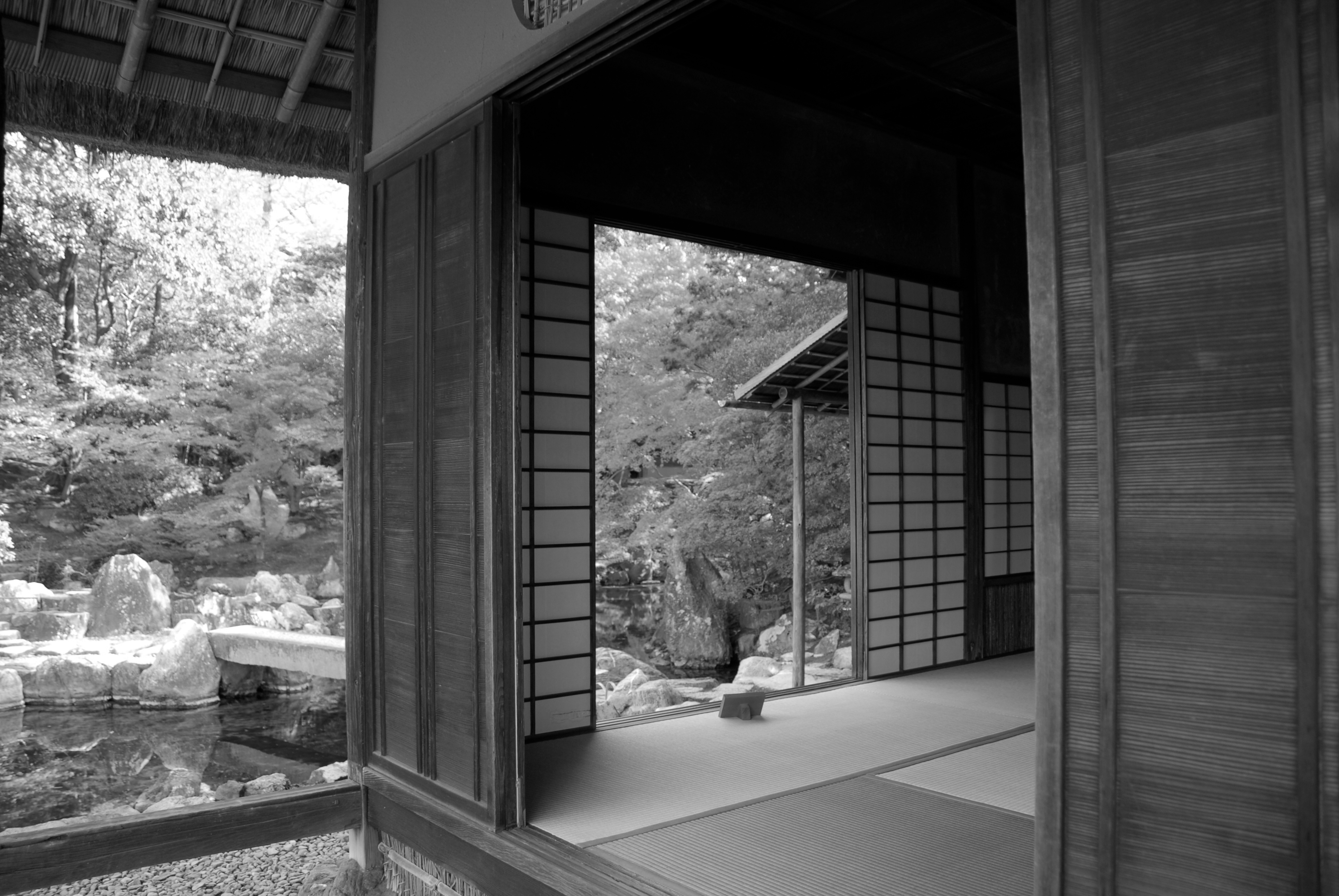
For Cristina Anglès Farré, architect and partner at L35 Architects, the reference is not limited to a single building, but encompasses an entire architectural tradition: classical Japanese architecture and, in particular, the Katsura Imperial Villa in Kyoto.
What she finds inspiring is the way this architecture approaches light not simply as something that enters a building, but as something that is filtered, softened, and carefully modulated. Screens, sliding doors, and successive layers of space create gradations, reflections, and shadows that enrich the architectural experience.
Image: “Katsura Imperial Villa and Gardens, Kyoto” by np&djjewell is licensed under CC BY 2.0.
“It is an architecture in which shadow is valued just as much as light. An idea beautifully explored by Tanizaki in In Praise of Shadows.”
Cristina Anglès
In this context, shadow becomes just as important as the lighting itself. Light does not reveal everything immediately; instead, it creates a more gradual and sensitive relationship with space.
Designing atmospheres through light
What continues to fascinate Angles Farré is precisely this ability to create complex atmospheres through the balance between light and darkness.
Lighting can draw attention to a specific detail, a piece of furniture, or an architectural element, while leaving others partially concealed. This approach introduces depth and nuance, allowing the space to reveal itself gradually.
Another key aspect is the color temperature of light. The warm, diffuse lighting characteristic of these environments does not seek to replicate natural light, but rather to offer a different and complementary experience.
In L35’s projects, lighting is understood as an architectural design tool capable of emphasizing materials, uses, and circulation paths. The studio is increasingly embracing dynamic and adaptable solutions that respond to different times of day and to the different ways in which a space is occupied.
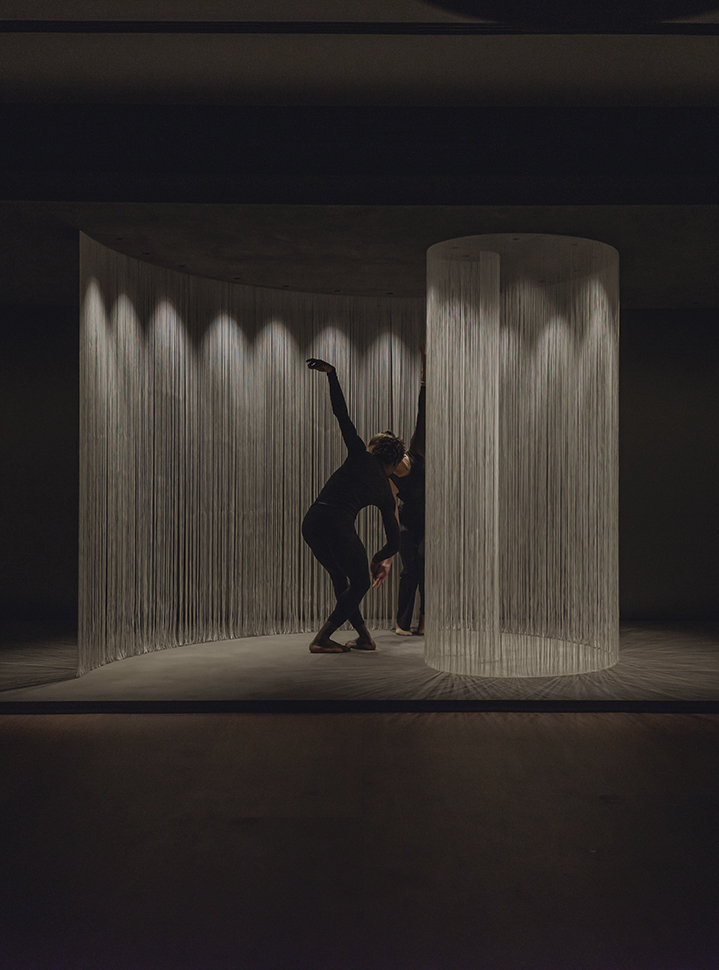
“We are interested in light that not only illuminates architecture, but becomes part of it and helps shape it.”
Cristina Anglès
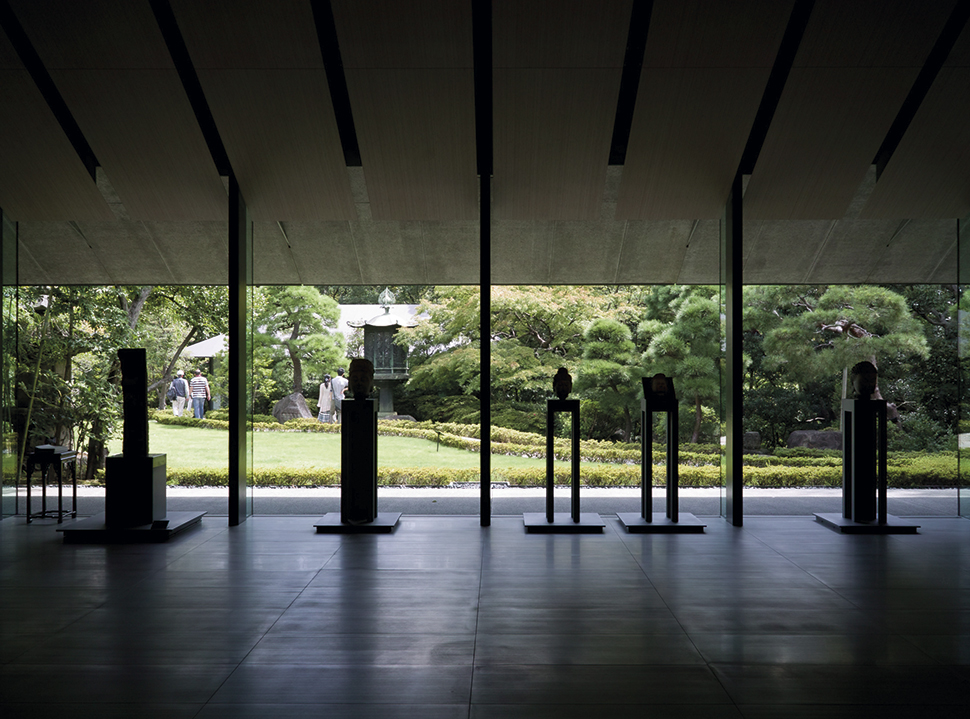
Nezu Museum: emotion, integration, and order
The inspiration behind Francesc Rifé Studio
For Sergio Alfonso, architect at Francesc Rifé Studio, one of the most inspiring references in architectural lighting is the Nezu Museum, designed by Kengo Kuma.
The studio particularly highlights the project’s ability to shape space through light. The lattices filter natural light to recreate an atmosphere reminiscent of a forest, while the exhibition areas focus light on the artworks and keep the surrounding environment in a discreet half-light.
Image: “Nezu Museum” by kentamabuchi is licensed under CC BY-SA 2.0.
Architecture and lighting work together to create a cohesive and emotionally engaging sensory experience.
The importance of letting light prevail over the luminaire
Among the elements that most impresses Sergio about the museum is its use of translucent surfaces, which create a quality of light reminiscent of sunlight filtering through the treetops.
For the studio, this ability to transcend the merely functional represents one of the fundamental values of architecture.
In their own projects, Francesc Rifé Studio seeks to capture precisely this emotional dimension of light. To achieve this, they consider concepts such as integration, order, and spatial coherence to be essential.
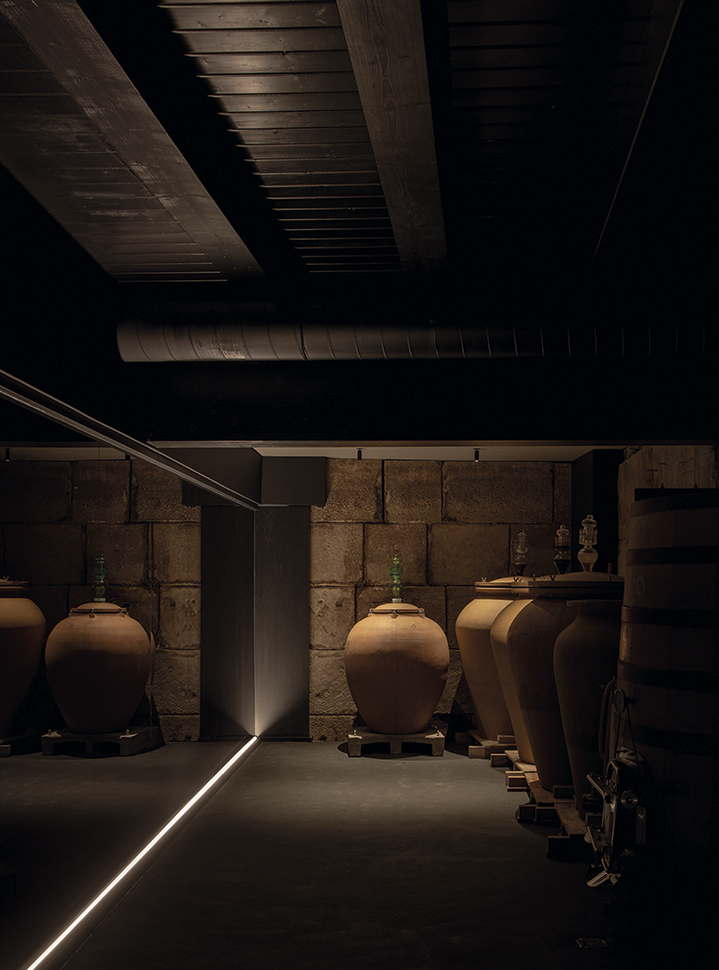
“When everything is in its place, it is the light, rather than its source, that takes on the value it deserves within the project.”
Sergio Alfonso
Although the references chosen come from very different eras, cultures, and contexts, the reflections of Balzar Architects, L35 Architects, and Francesc Rifé Studio share a common idea: the best lighting is that which is part of the architecture from the very beginning.
Whether through the beam of sunlight passing through the Pantheon’s oculus, the delicate gradations of light in Japanese architecture, or the light-filtering screens of the Nezu Museum, lighting demonstrates its ability to create emotions, define atmospheres, and strengthen the relationship between people and the spaces they inhabit.