Three level lighting: what is it and how to achieve it
08.07.2024
- Light & Learn
Every architectural project involves an ad hoc lighting study. Everyday actions such as working, reading, cooking, socialising and resting require appropriate lighting to maintain the balance of our biorhythms.
In order to adequately illuminate each type of space, the first questions we should ask ourselves are: what type of lighting do I want to use? What is the function it will perform?
Based on these precepts, Arkoslight talks about the three level lighting: ambient, accent and task lighting.
Benefits of three-level lighting
- Improves the functionality of each space.
- Promotes visual health and biological rhythms.
- Provides flexibility to adapt the atmosphere to each moment.
- Reinforces the architectural identity of the project.
The three levels of lighting
Ambient lighting
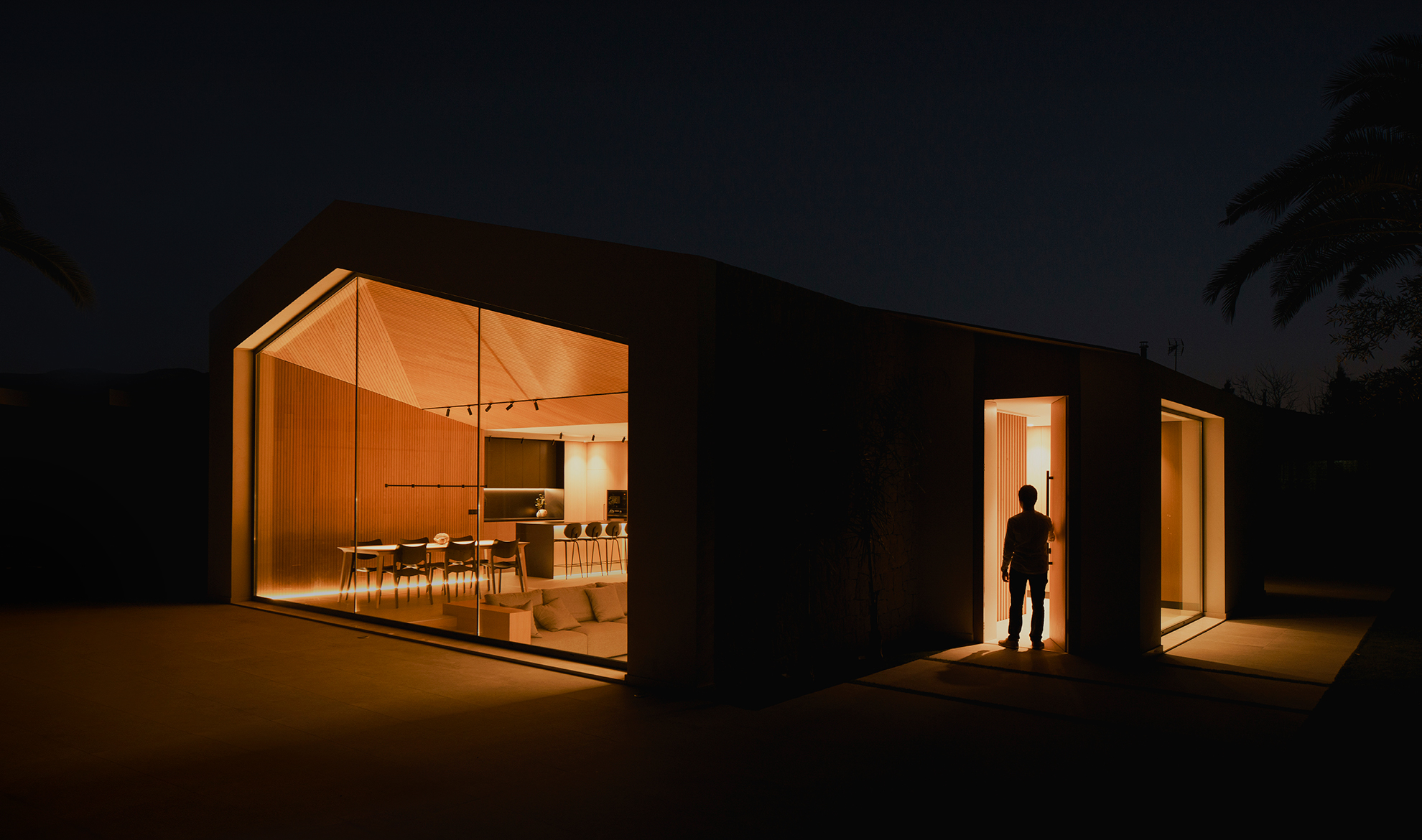
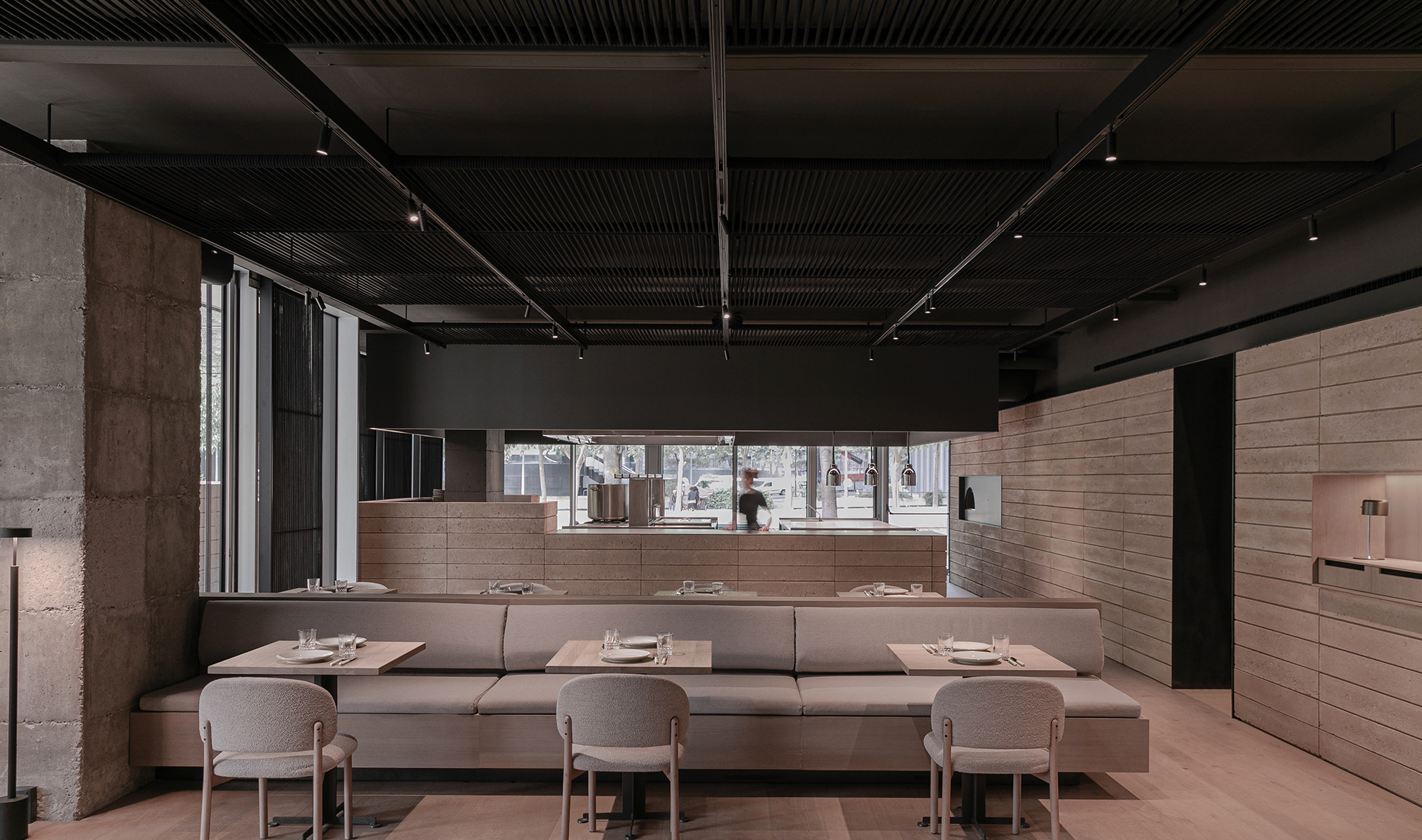
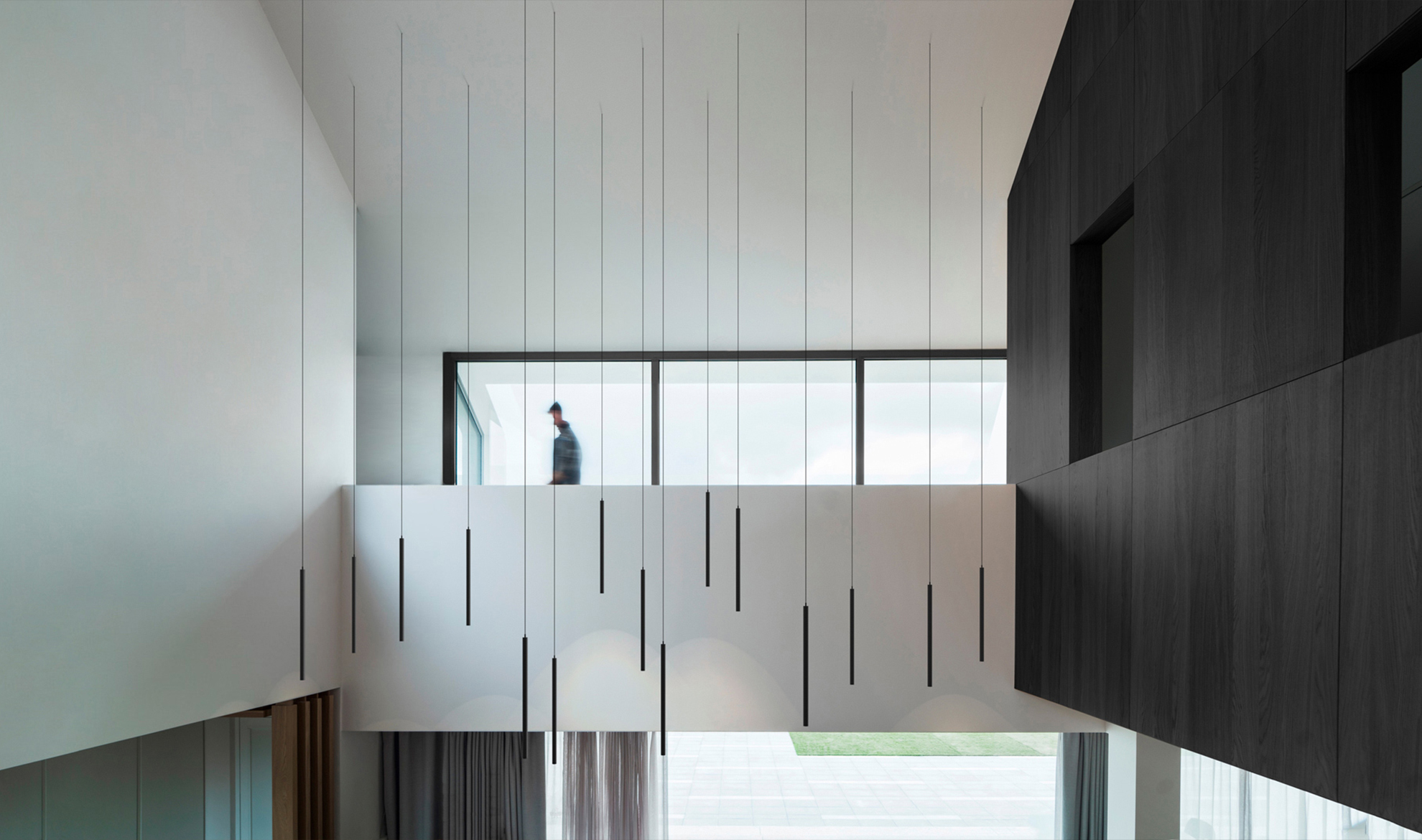
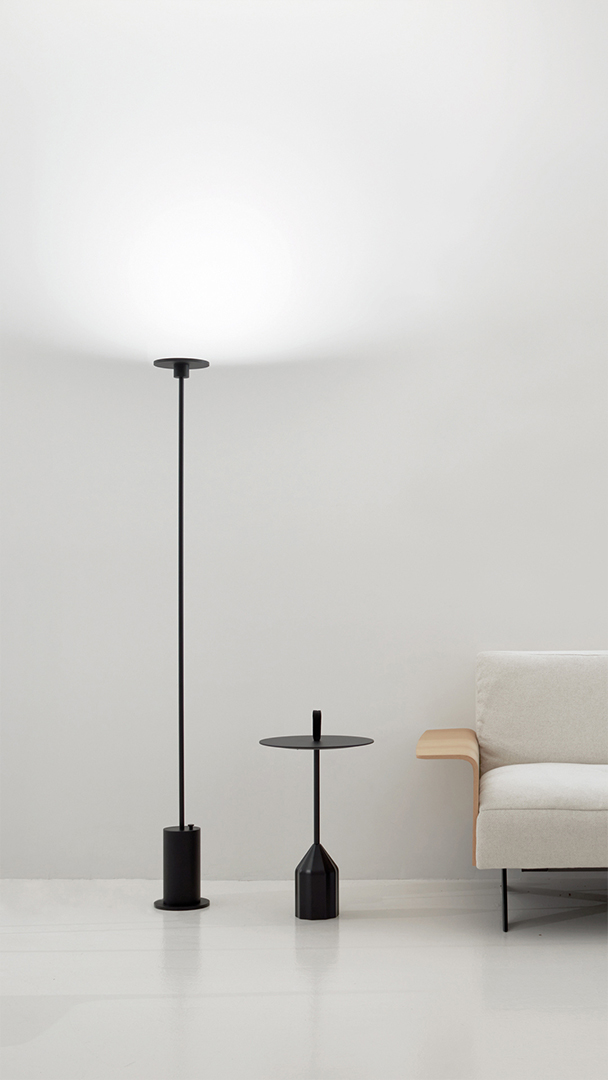
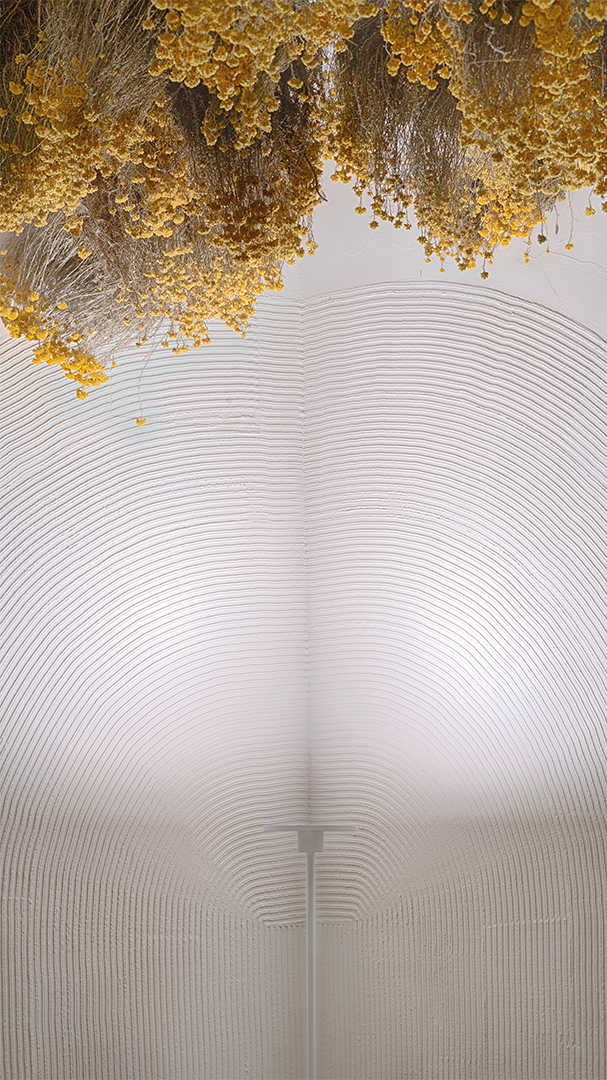
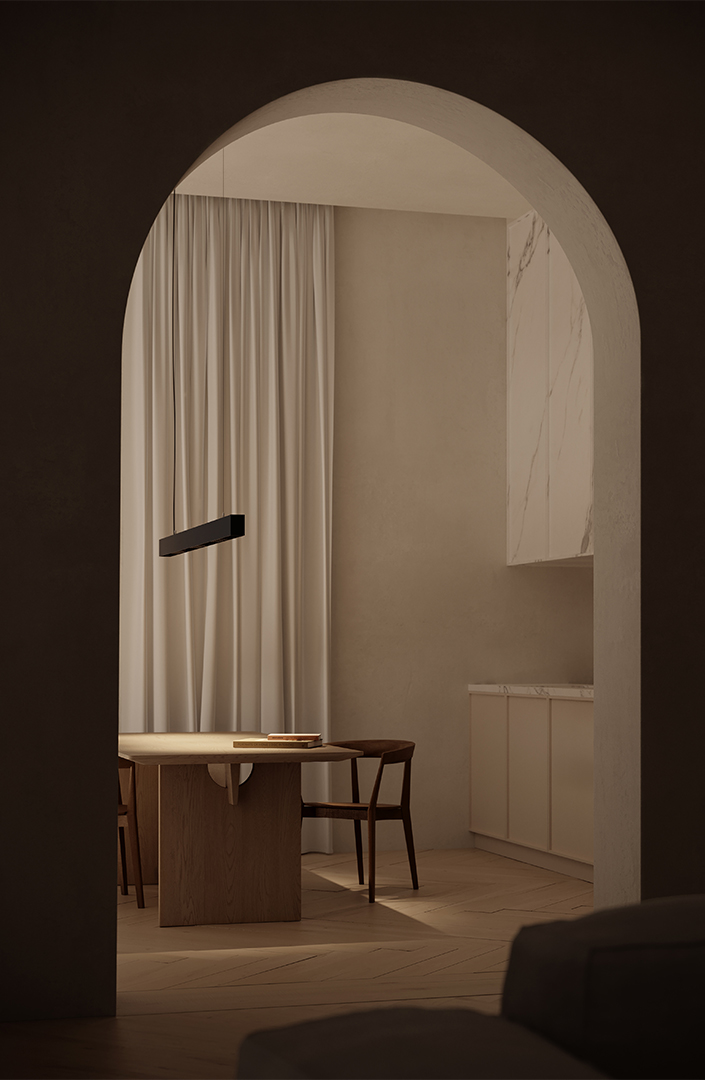
Ambient lighting provides general illumination of spaces and allows people to move around safely and comfortably. Ambient lighting can be provided by ceiling lamps, wall lights or natural light.
Our Art Modular or Up designs are good examples of this.
Task lighting
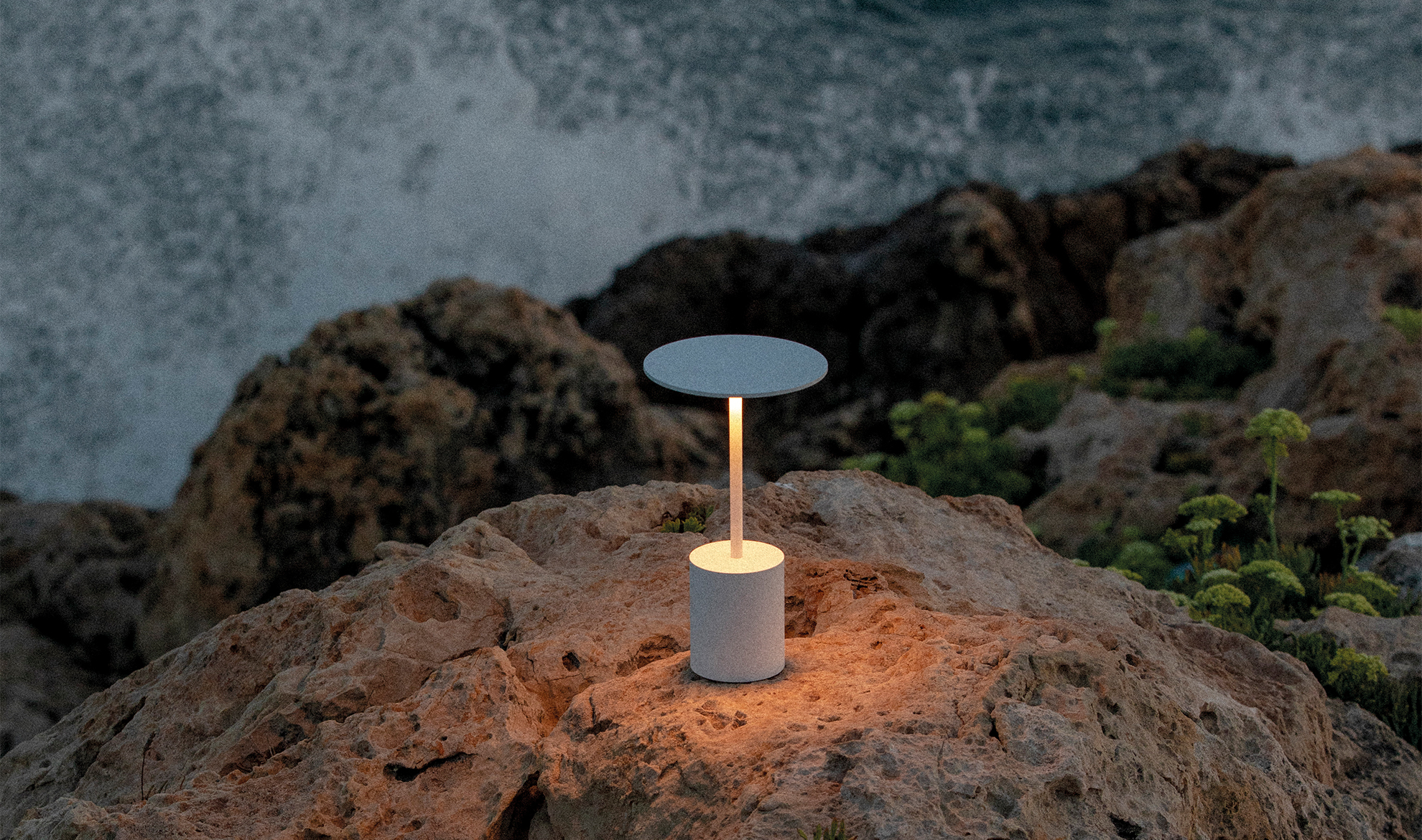
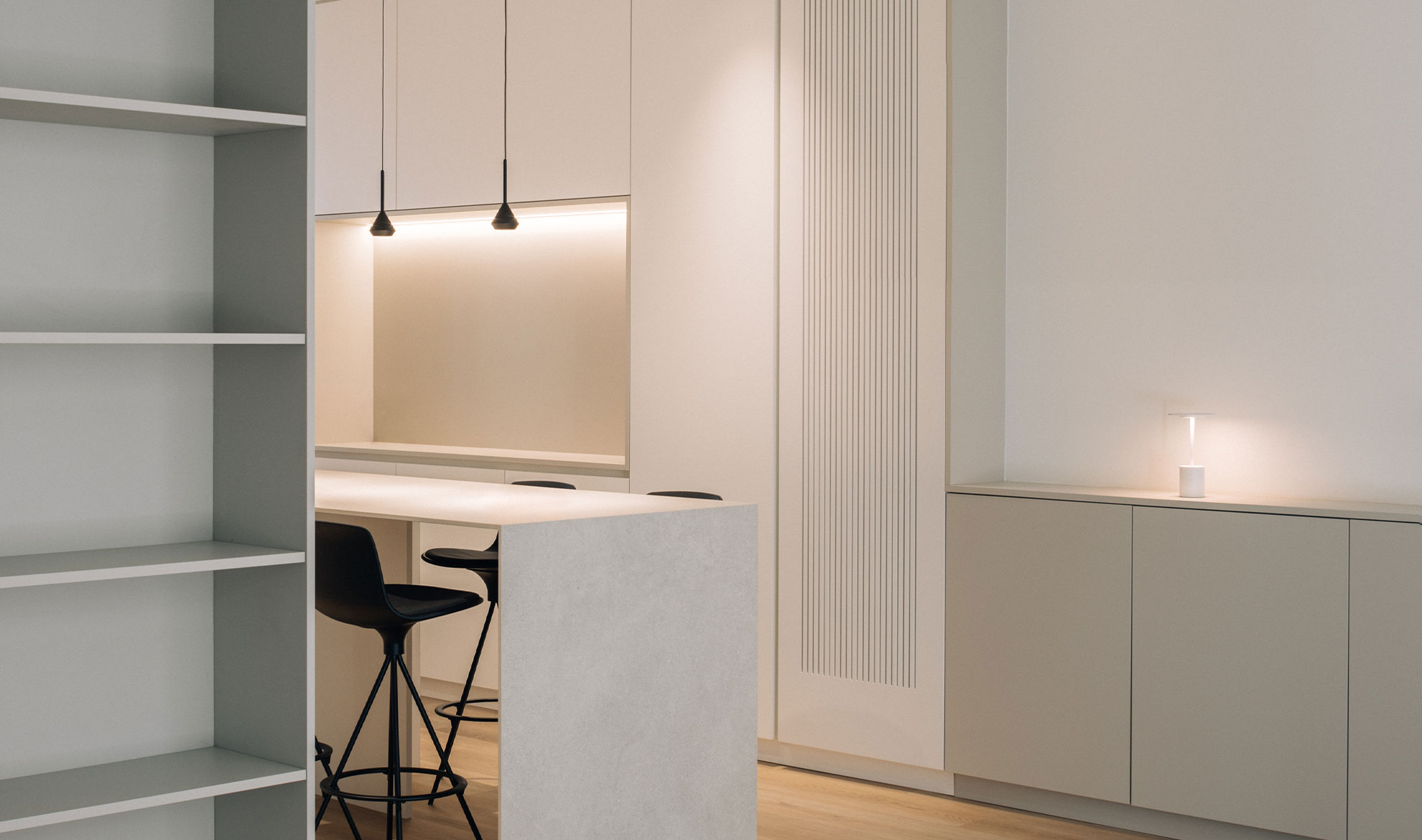
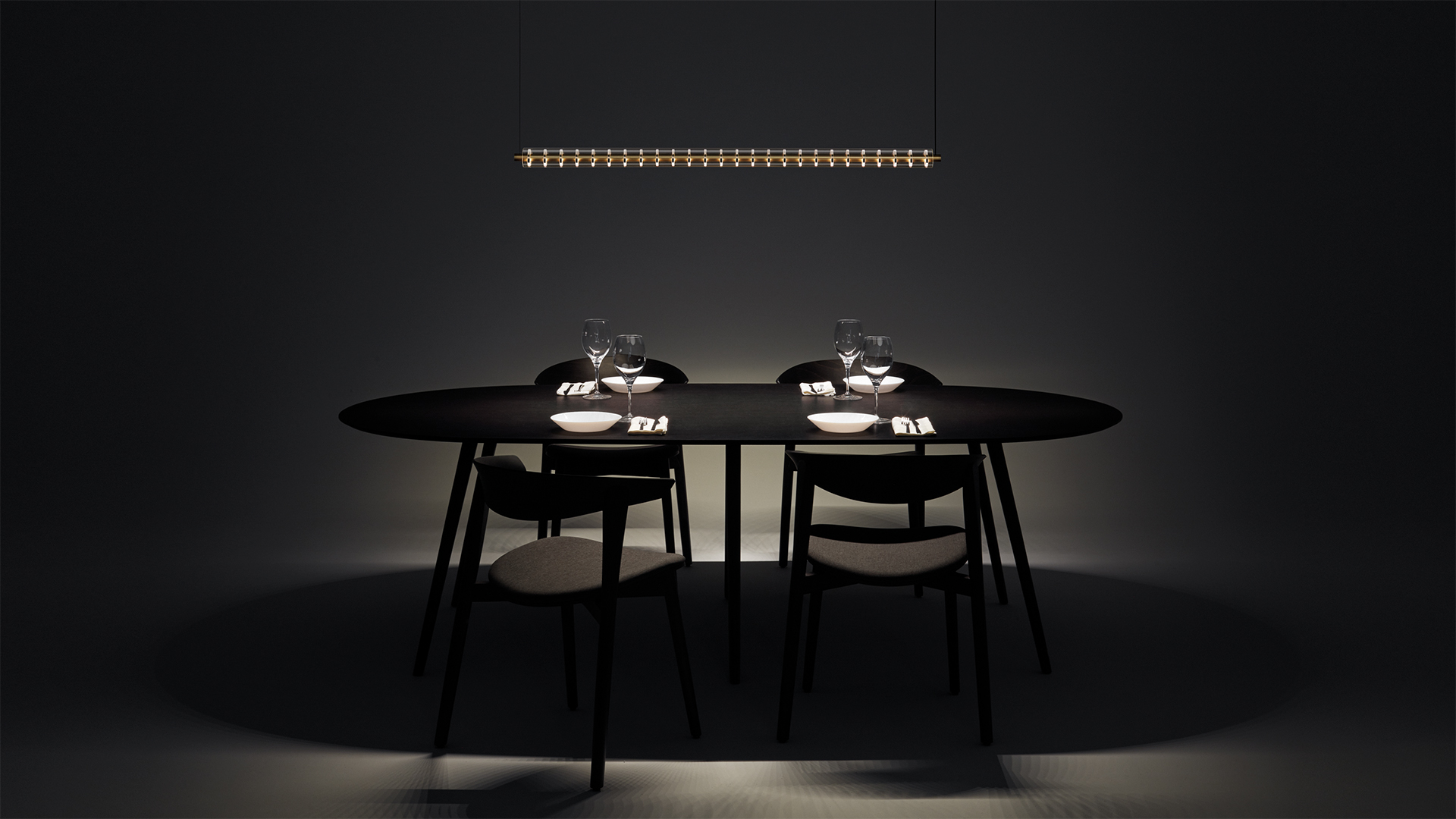
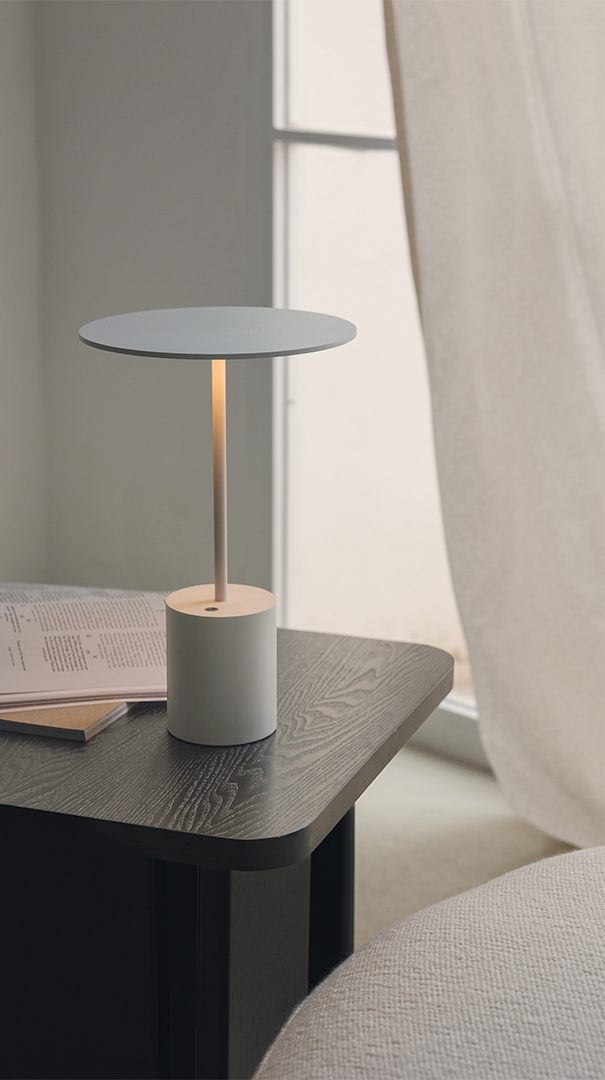
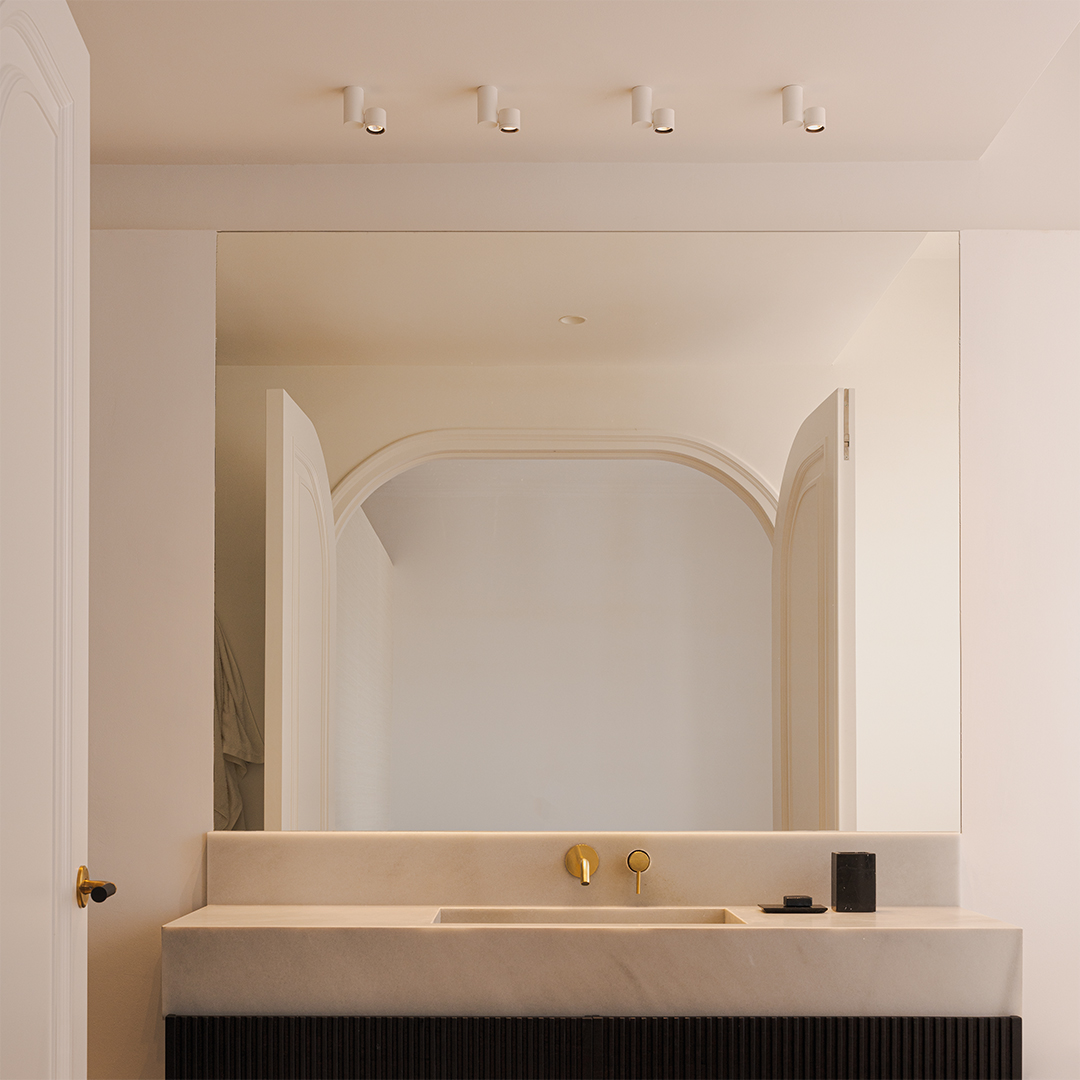
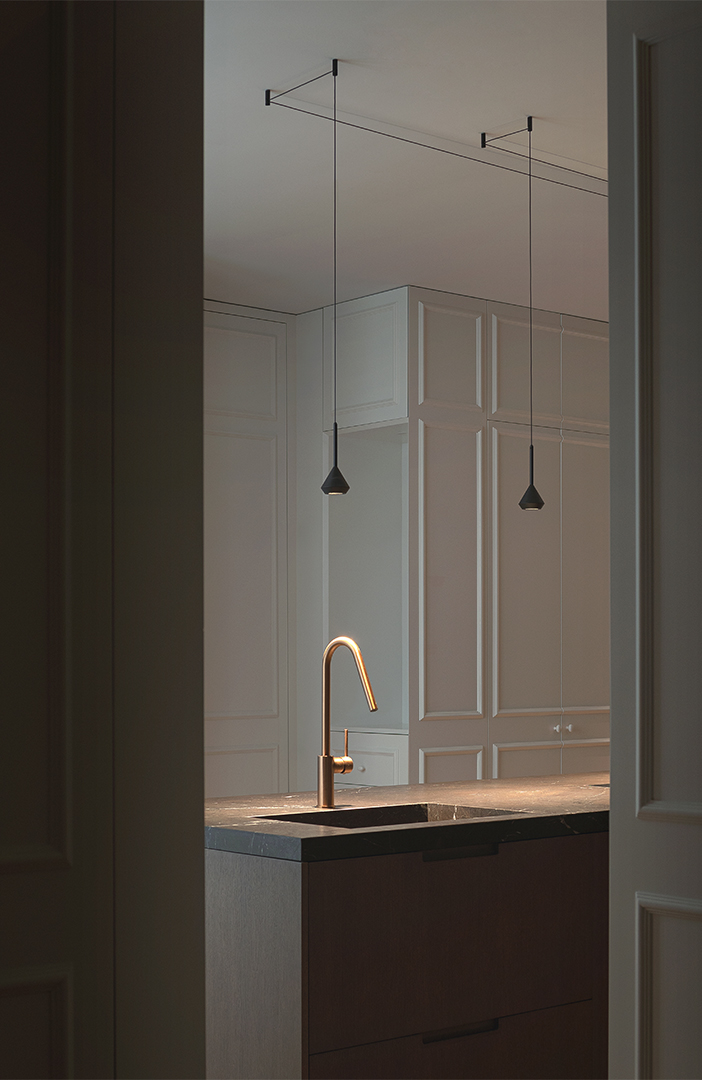
Task lighting is lighting aimed at specific areas where activities such as reading or food preparation take place. Task lighting is achieved through the use of table lamps, recessed luminaires or dimmable wall lights.
In this case, we could use Yoru Big —the recent addition to the collection—, iO Surface on a washbasin or Spin applied on a kitchen work area.
Accent lighting
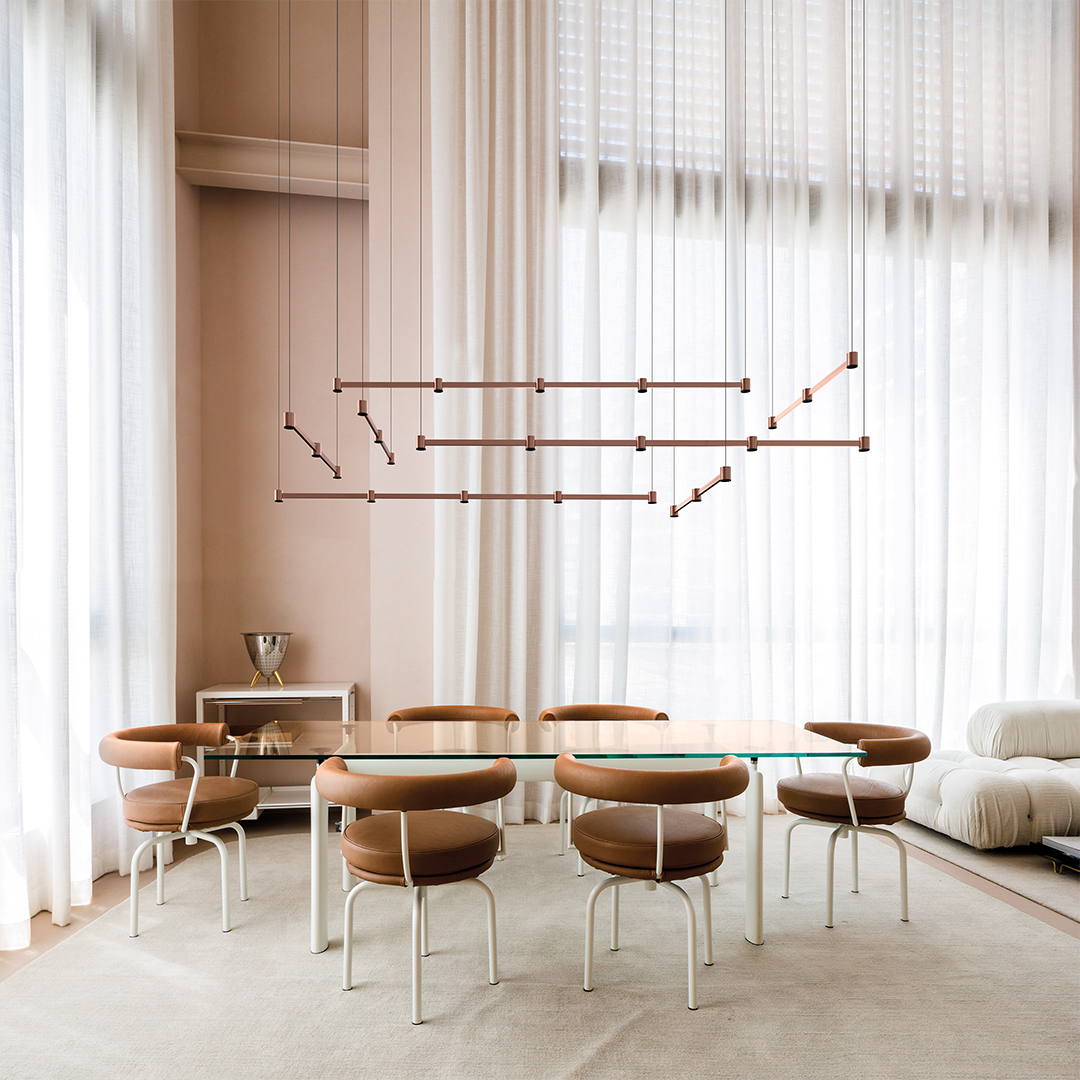
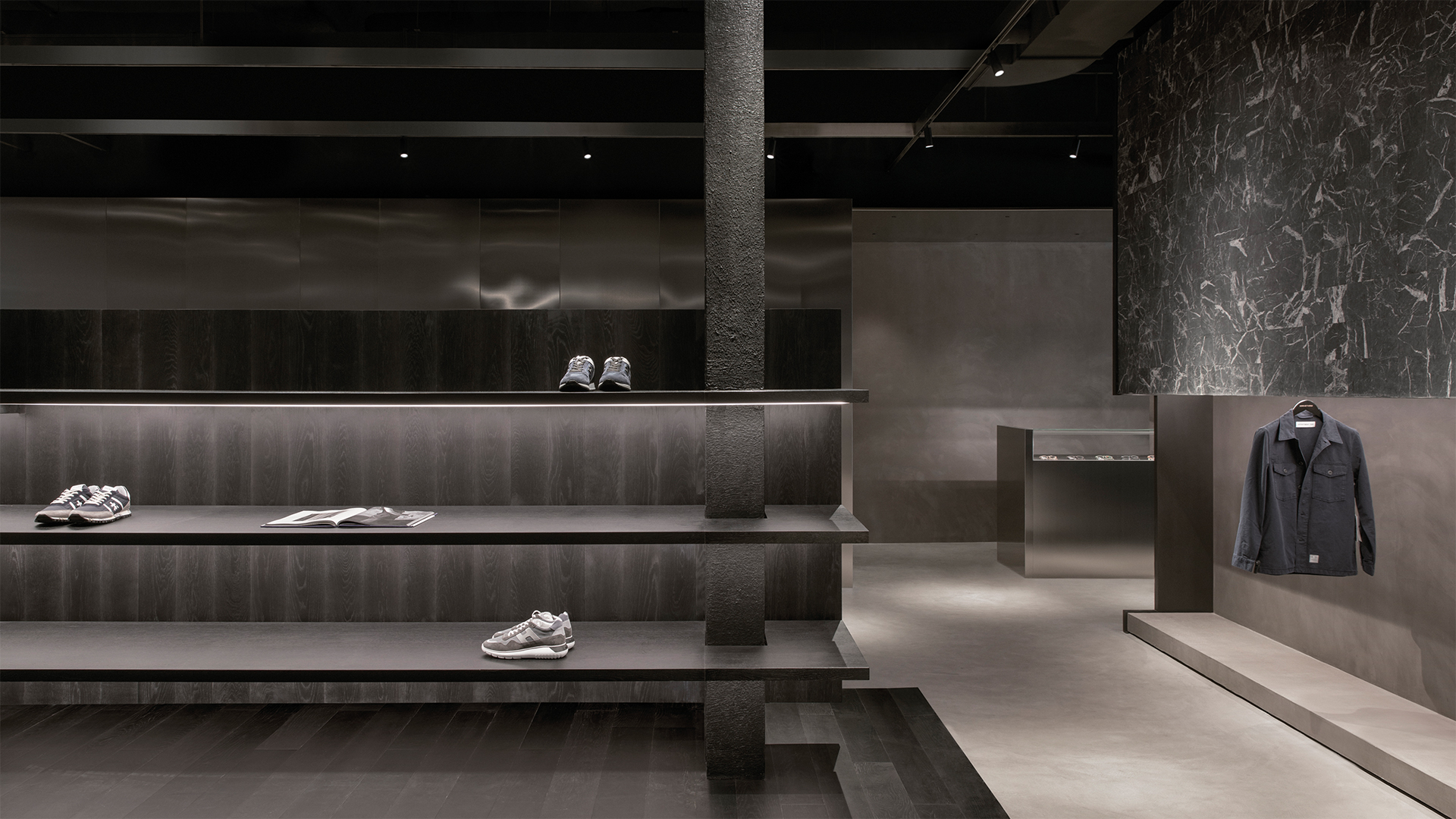
Accent lighting highlights specific spaces, features or objects, such as works of art or architectural details. Examples of accent lighting include the following applications of Black Foster Suspension in residential or Fit 48V in a retail environment.
Achieving the correct application of luminaires has a positive impact on the well-being of the people who live in each space.
How to correctly apply three-level lighting
- Analyse the main activities of each space.
- Select appropriate lighting fixtures for each function.
- Combine layers in a balanced way, avoiding shadows or glare.
- Incorporate dimmers to adapt the atmosphere to the occasion.
If you want to discover how interior designers apply this technique in real projects, read our article on World Interior Design Day.