6 developments that will define lighting in 2026
08.01.2026
- Light & Learn
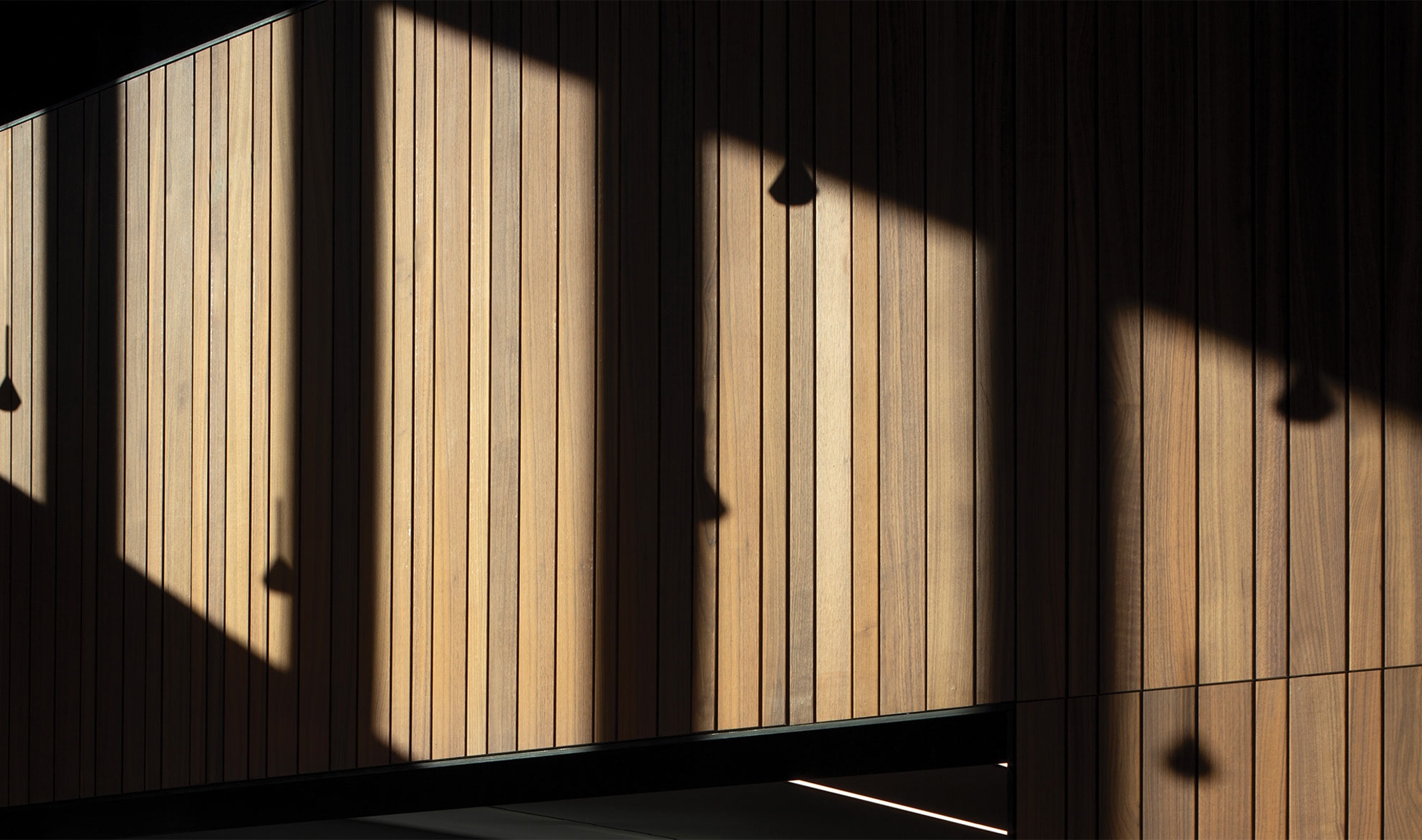
Talking about developments in lighting for 2026 does not mean anticipating fashions or setting fixed trends. Rather, it involves observing an ongoing process: a slow yet steady evolution in the way light is conceived, inhabited and perceived.
From conversations held with architecture and interior design studios such as Xarquitectos, Hub Kafkas, Verno Estudio and Berd Studio, a shared vision emerges: lighting is moving towards greater awareness, sensitivity and precision.
2026 does not present itself as a radical turning point, but as a year of maturity, in which technique, emotion and architecture begin to dialogue more naturally.
1. Designing light as part of the architecture
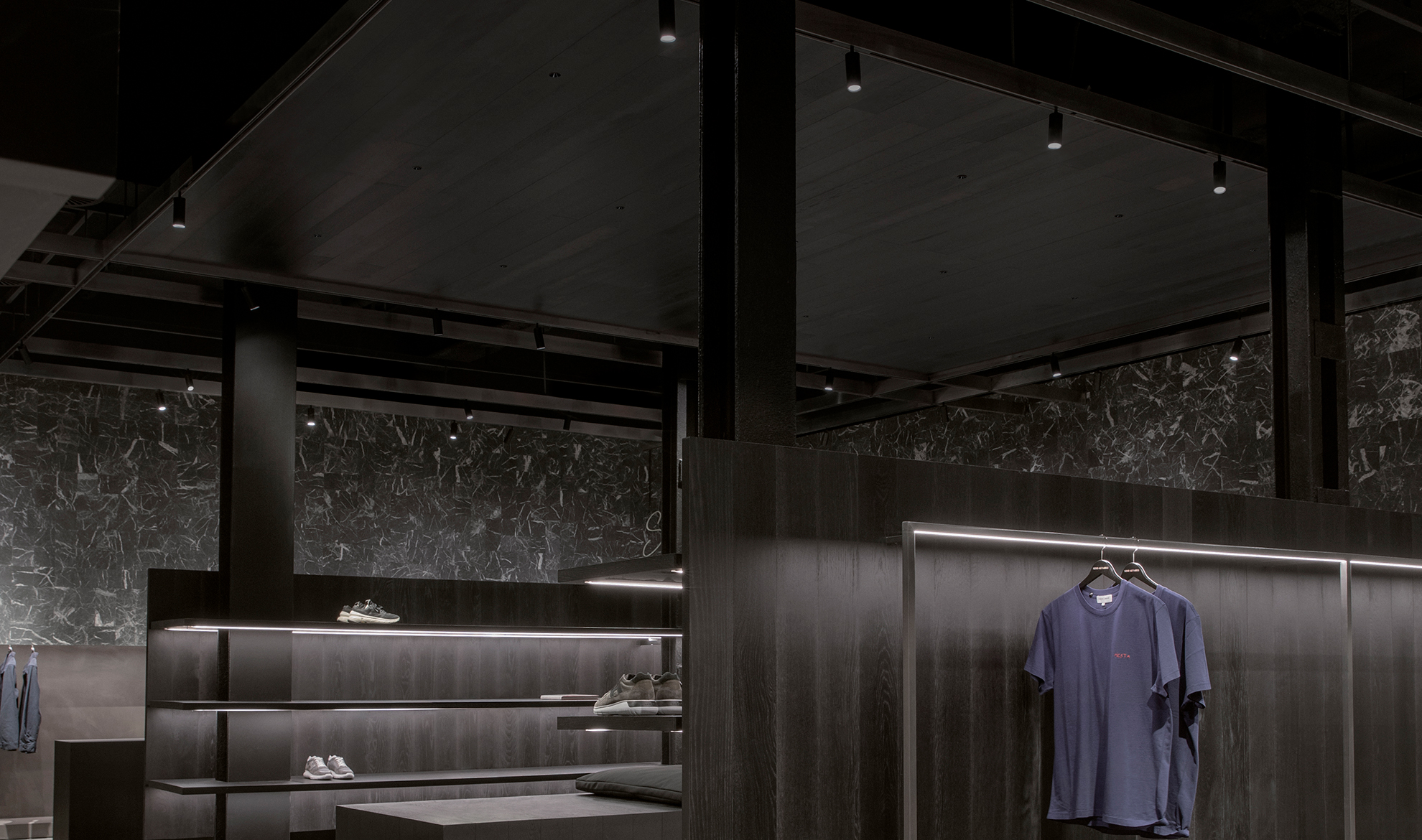
Light ceases to be conceived as an added element and becomes consolidated as a structural layer of the project. Integrated into geometry, circulation and proportions, lighting actively participates in the construction of space, reinforcing its identity without imposing itself visually.
Xarquitectos point to a clear vision:
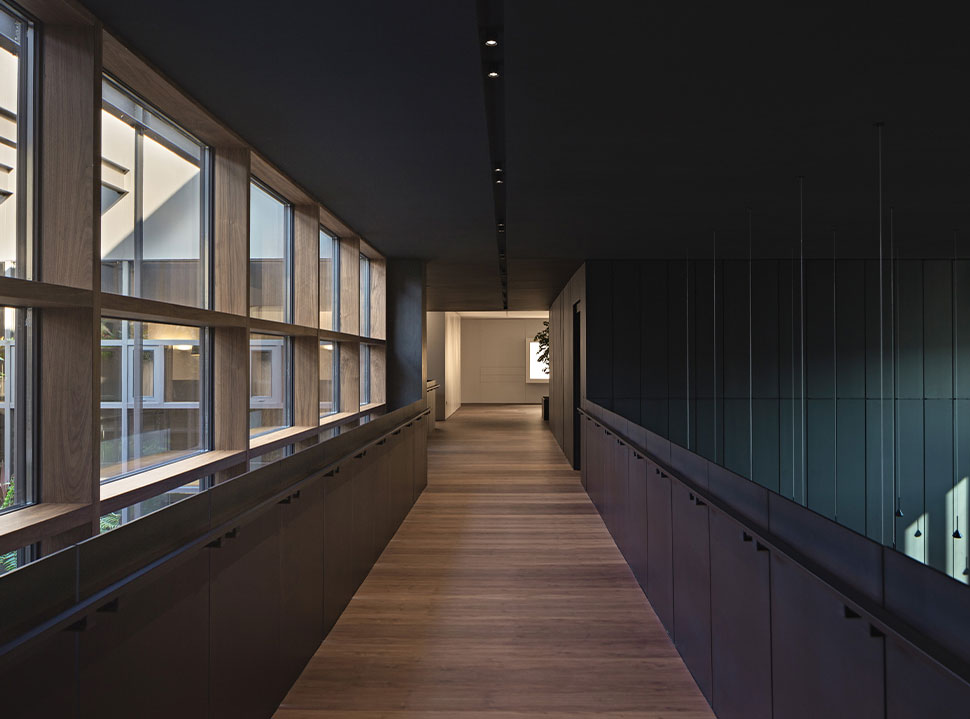
“Light is not superimposed; it is another layer of the project, on the same level as materials or layout, and it is valued from the very beginning.”
This approach reinforces a more coherent architecture, where lighting accompanies and defines rather than competes.
2. Creating adaptable spaces through light
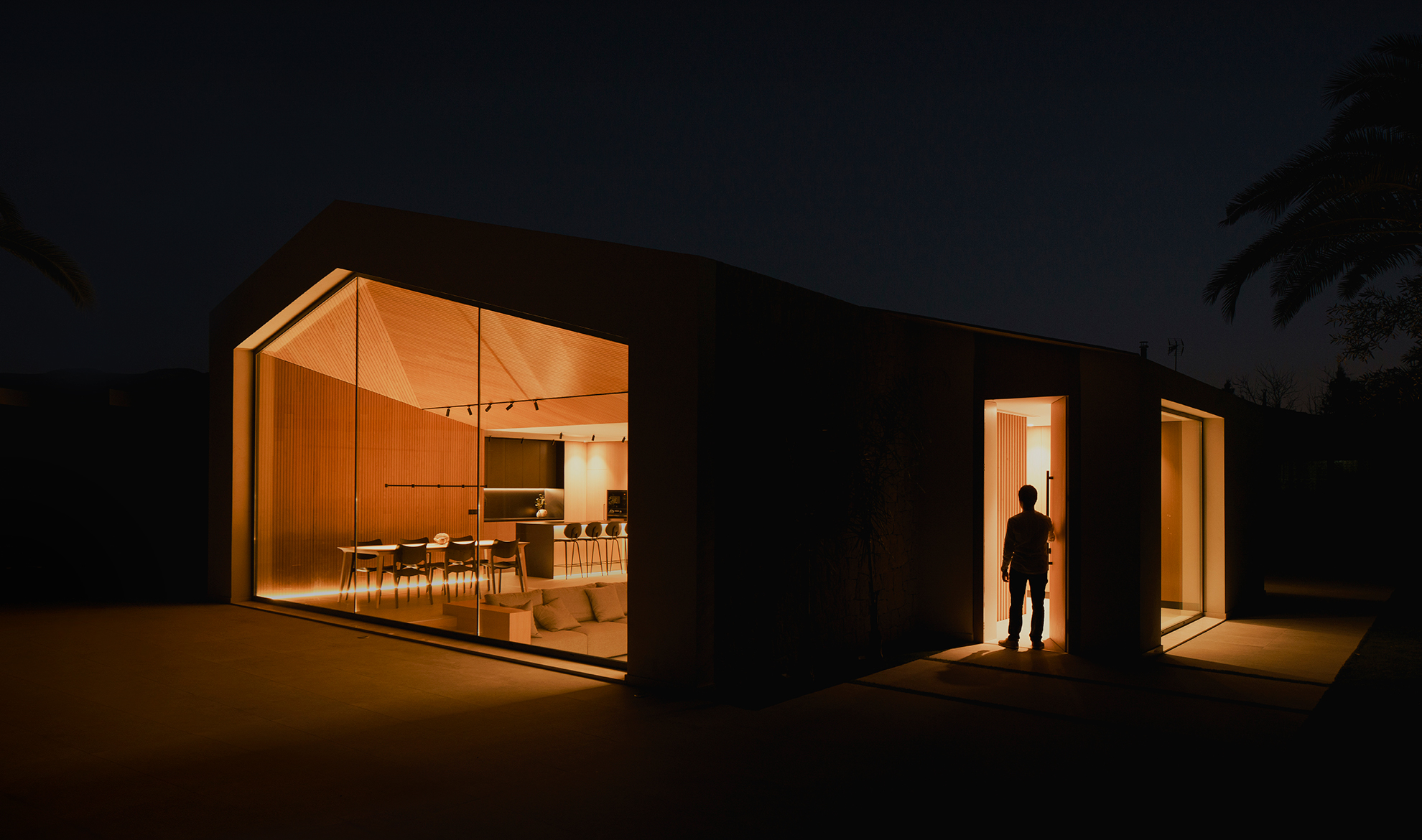
Spaces no longer respond to a single use. Work, rest and leisure coexist within the same environment, and lighting becomes a key tool in supporting these changes. Scenes, dimming and layers of light allow a space to be transformed without modifying its architecture.
Hub Kafkas underline the importance of systems capable of adapting to users’ needs, anticipating uses and moments. Lighting thus becomes a dynamic resource, able to activate different atmospheres throughout the day.
3. Prioritising comfort as a sensory experience
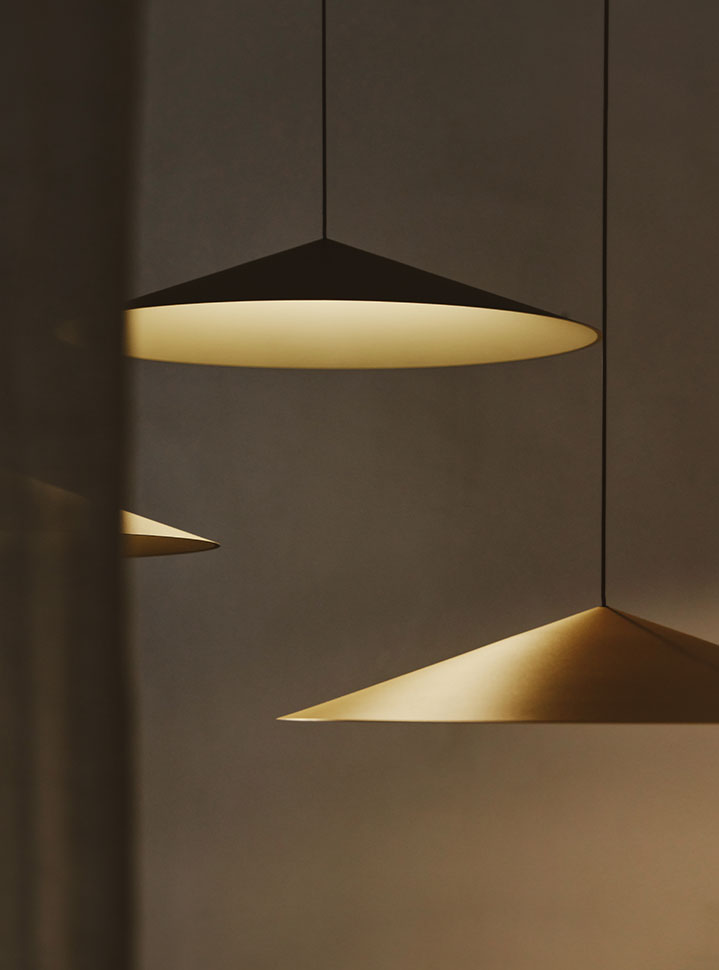
Visual comfort evolves towards a more perceptive and human dimension. Without losing technical rigour, attention shifts to how light feels: the softness of transitions, the relationship between light and shadow, and the absence of harsh contrasts.
From an architectural perspective, Xarquitectos highlight the importance of gradation and control as tools for generating spaces that remain liveable over time. Comfort is no longer measured solely in numbers, but in sensations.
4. Accompanying natural rhythms with warm light
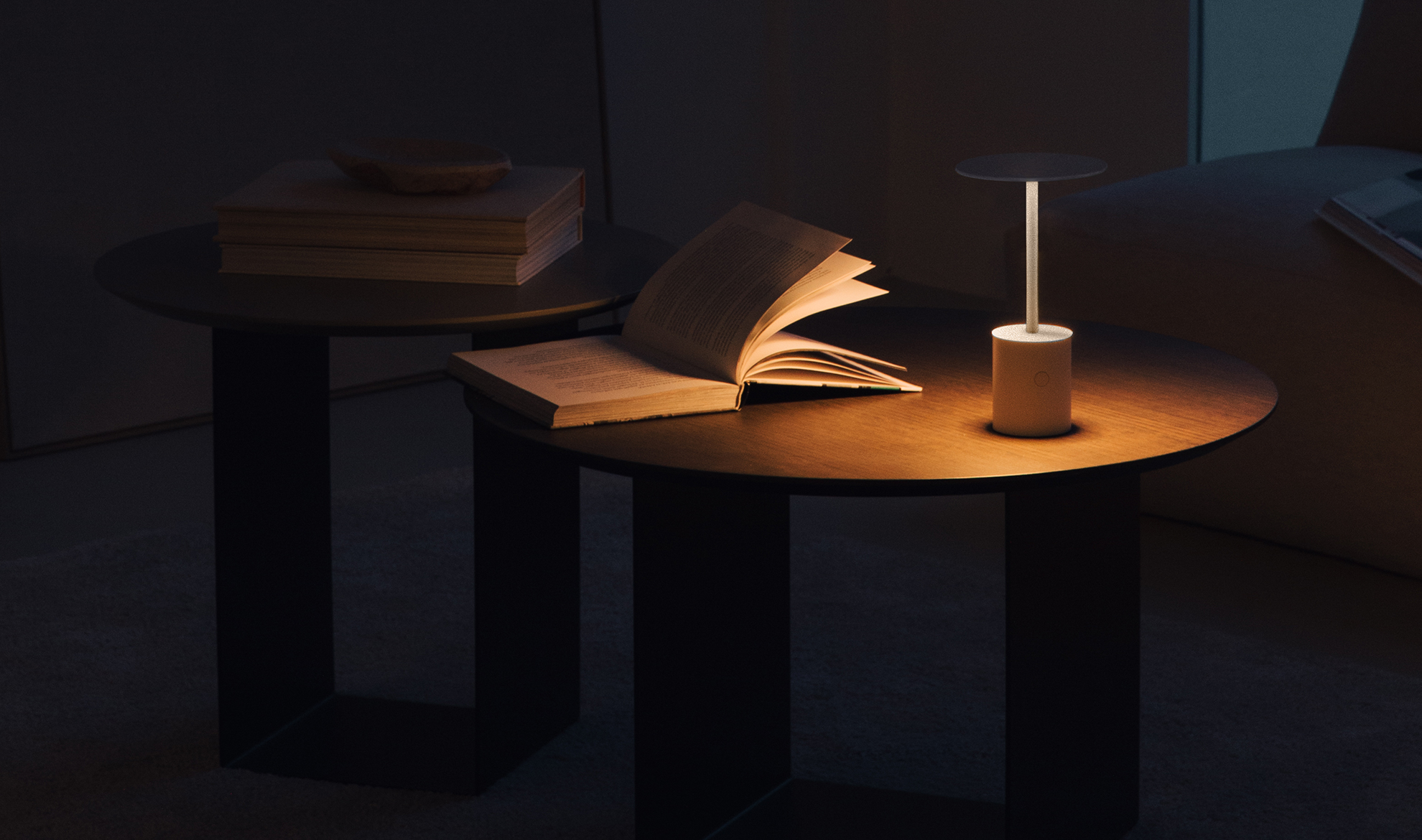
Warm light, especially in ranges close to dawn and dusk, takes on a central role in the pursuit of wellbeing. Low colour temperatures, unidirectional and indirect light help to accompany biological rhythms and create more serene, human atmospheres.
Verno Estudio emphasise pieces that can be understood and appreciated, where warmth and direction of light evoke natural references. This approach seeks for lighting to dialogue with the passage of the day, accompanying circadian cycles and reinforcing the relationship between emotion, perception and time.
5. Integrating emotion and function without hierarchies
The dichotomy between emotional and functional lighting loses meaning. In 2026, both approaches intertwine to respond to complex and diverse spaces. Technique guarantees performance; emotion provides meaning and connection with the user.
Berd Studio defend lighting as an element capable of organising and guiding activities, while activating a sensory dimension that is difficult to reproduce in virtual environments.
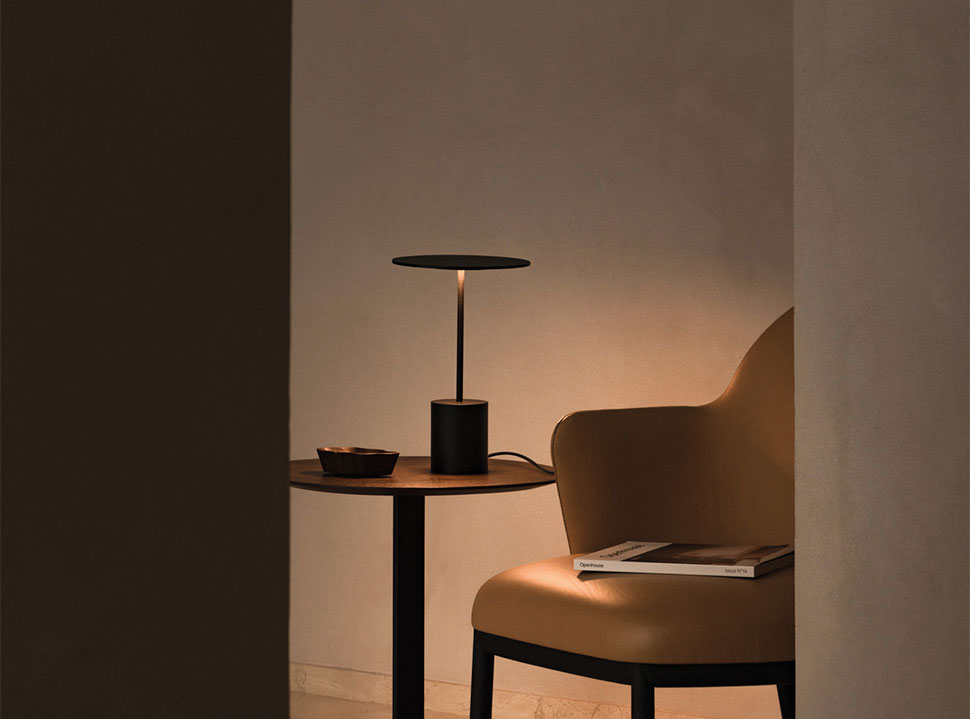
“Emotion does not replace function: it completes it”
6. Using technology through empathy
Automation, control systems and artificial intelligence become established as allies of design, provided their presence does not overshadow the experience. Sensors, scenes and dynamic white light allow consumption, maintenance and comfort to be optimised, adapting to each person and moment.
From Hub Kafkas, technology is conceived as a tool to anticipate needs and personalise lighting. The true value lies not in displaying technology, but in making it disappear, leaving space for a fluid and natural experience.
One word for 2026
If lighting in 2025 had to be defined with a single word, it would be “awareness”: awareness of the user, of daily rhythms and of how light impacts wellbeing, productivity and emotional perception of spaces. Lighting has ceased to be an automatic response and has become a reflective and responsible design decision.
Looking towards 2026, this awareness does not disappear; it evolves towards a more mature, adaptable and perceptive lighting, where technique, emotion and architecture dialogue naturally. Designing with light becomes an act of listening and empathy, in the service of those who inhabit and live in spaces.