International Day of Light: How lighting product design transforms the way we live
15.05.2026
- Light & Learn
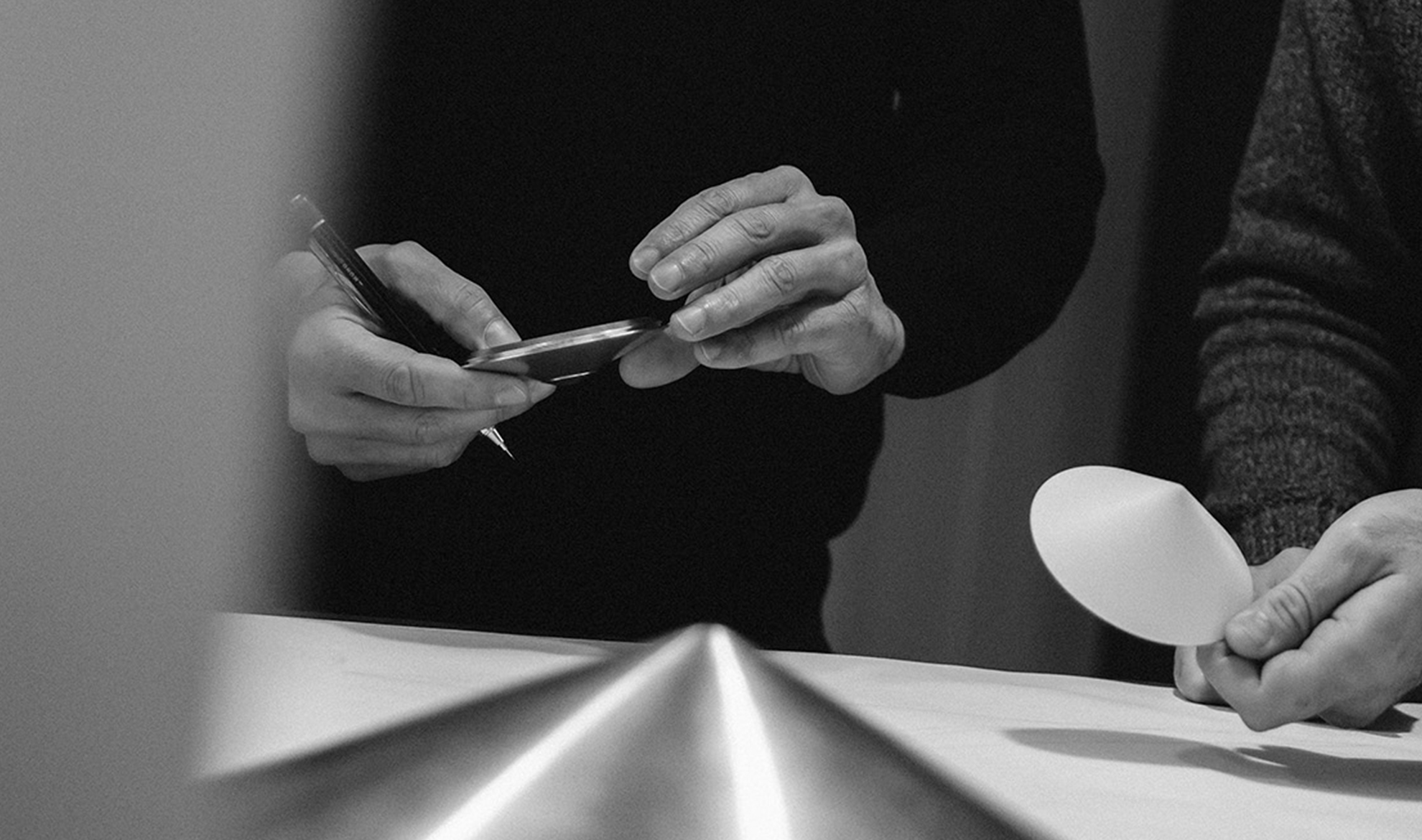
Light defines the way we inhabit spaces. It influences how we feel, rest, work and relate to our surroundings. Beyond its technical function, lighting has a direct impact on human wellbeing, architectural perception and emotional experience. Light regulates our biological rhythms, affects our mood and changes the way we perceive space; therefore, well-designed lighting can create comfort, improve concentration and encourage a balance between activity and rest.
On the occasion of International Day of Light, at Arkoslight we reflect together with product designers such as Rubén Saldaña, Geckeler & Michels and Christophe Mathieu on the role of contemporary lighting and how lighting fixture design can help us live better.
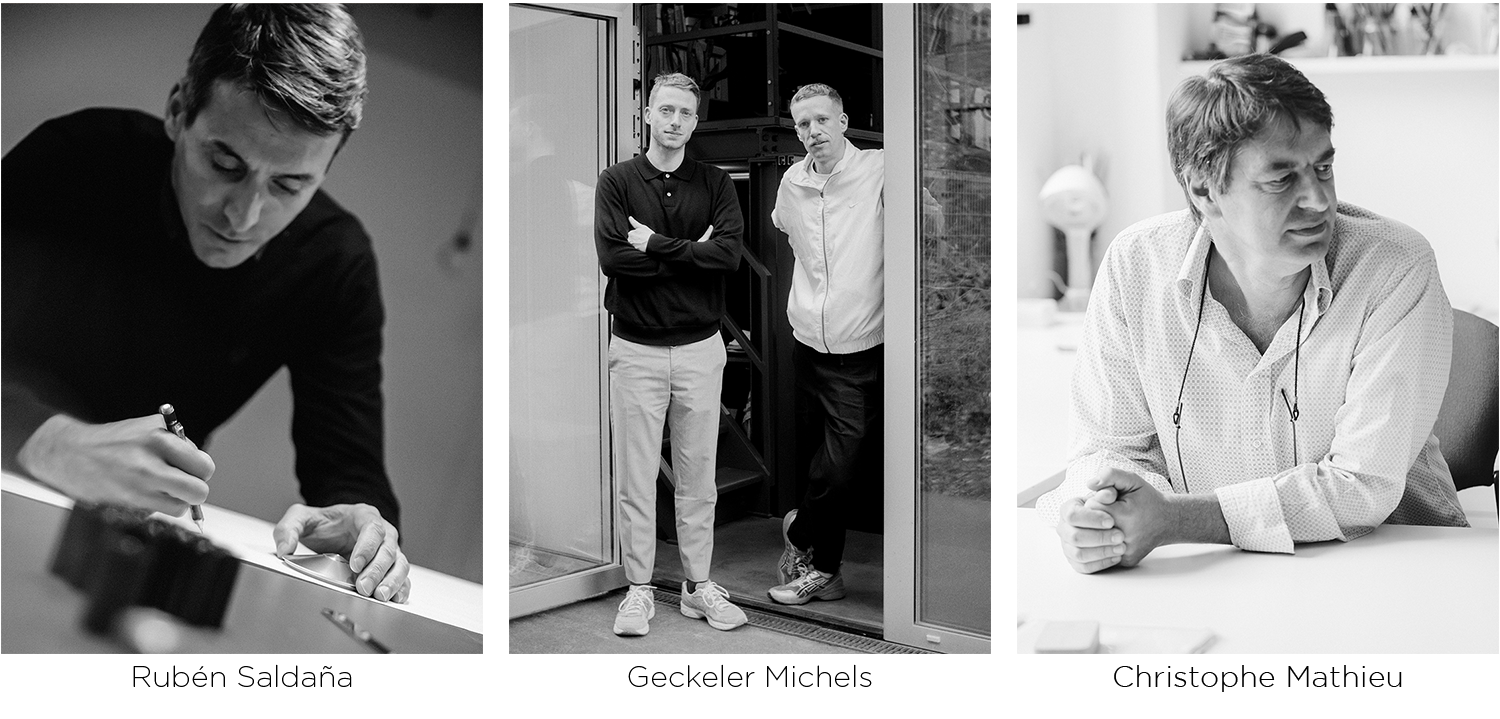
For Rubén Saldaña, Product Director at Arkoslight, the influence of light goes far beyond functionality:
“Light determines our mood, our excitement and relaxation. Circadian rhythms are regulated by light, its changes and its absence. It not only helps us transition between wakefulness and sleep; it is also capable of transporting us to memories, creating atmospheres and stimulating emotions.”
This relationship between lighting and wellbeing has become one of the key pillars of contemporary lighting design.
What defines healthy lighting today?
Healthy lighting aims to replicate the quality of natural light, reducing visual strain and improving people’s experience in interior spaces.
According to Rubén Saldaña:
“The healthiest reference is natural light, sunlight. In artificial lighting, it is very important to reproduce natural light with the highest possible quality: its ability to render colours, as well as its consistency and stability.”
Aspects such as glare control, colour rendering (CRI), dimming and colour temperature are now essential for creating spaces that are more comfortable and human-centred.
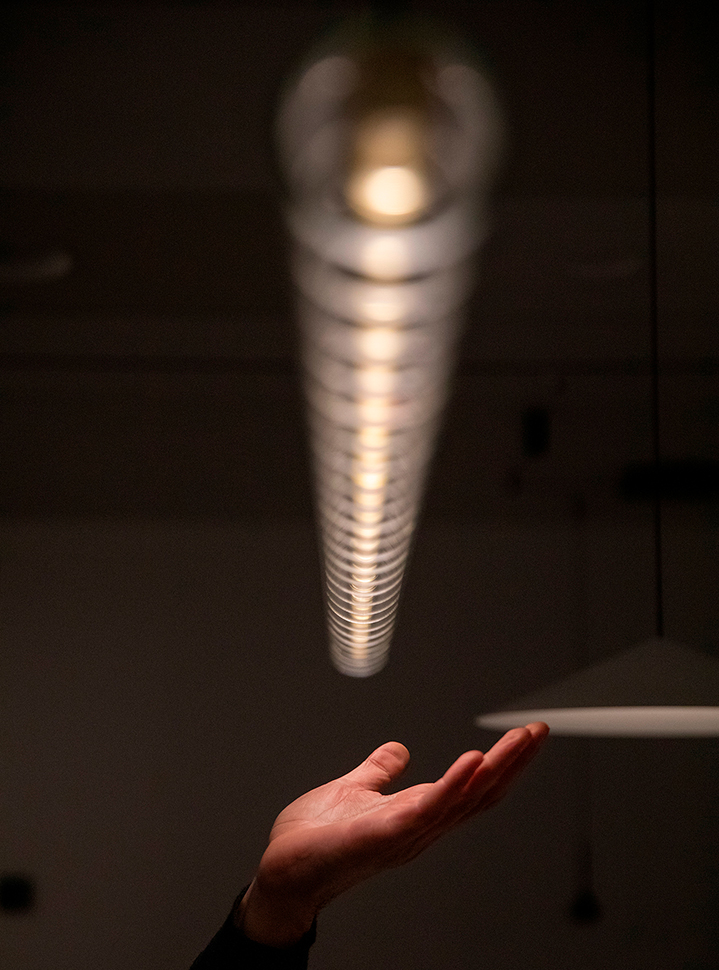
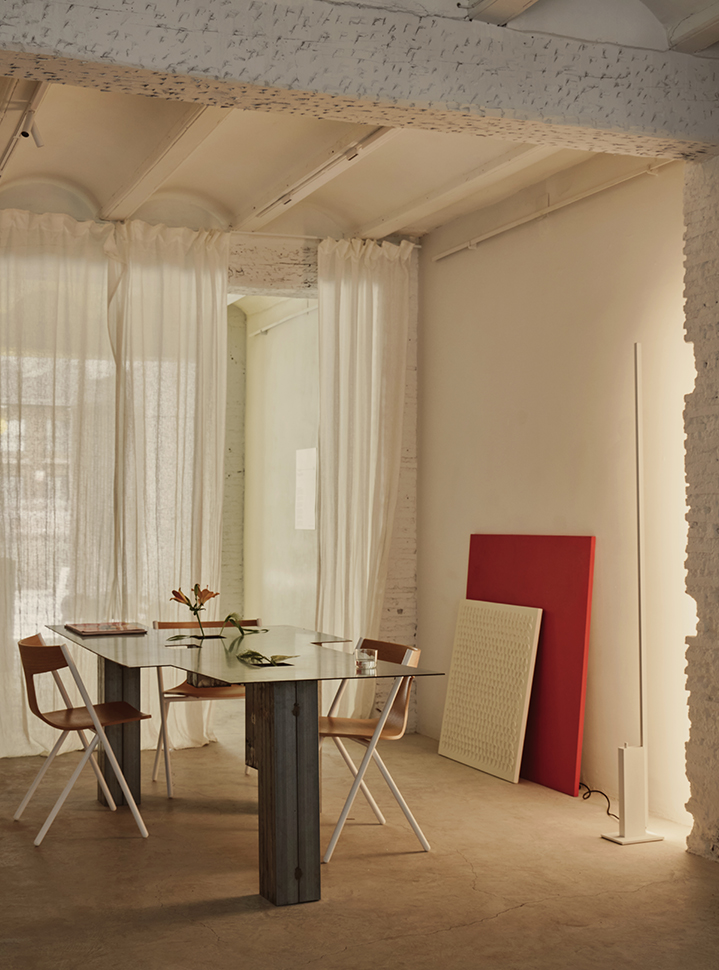
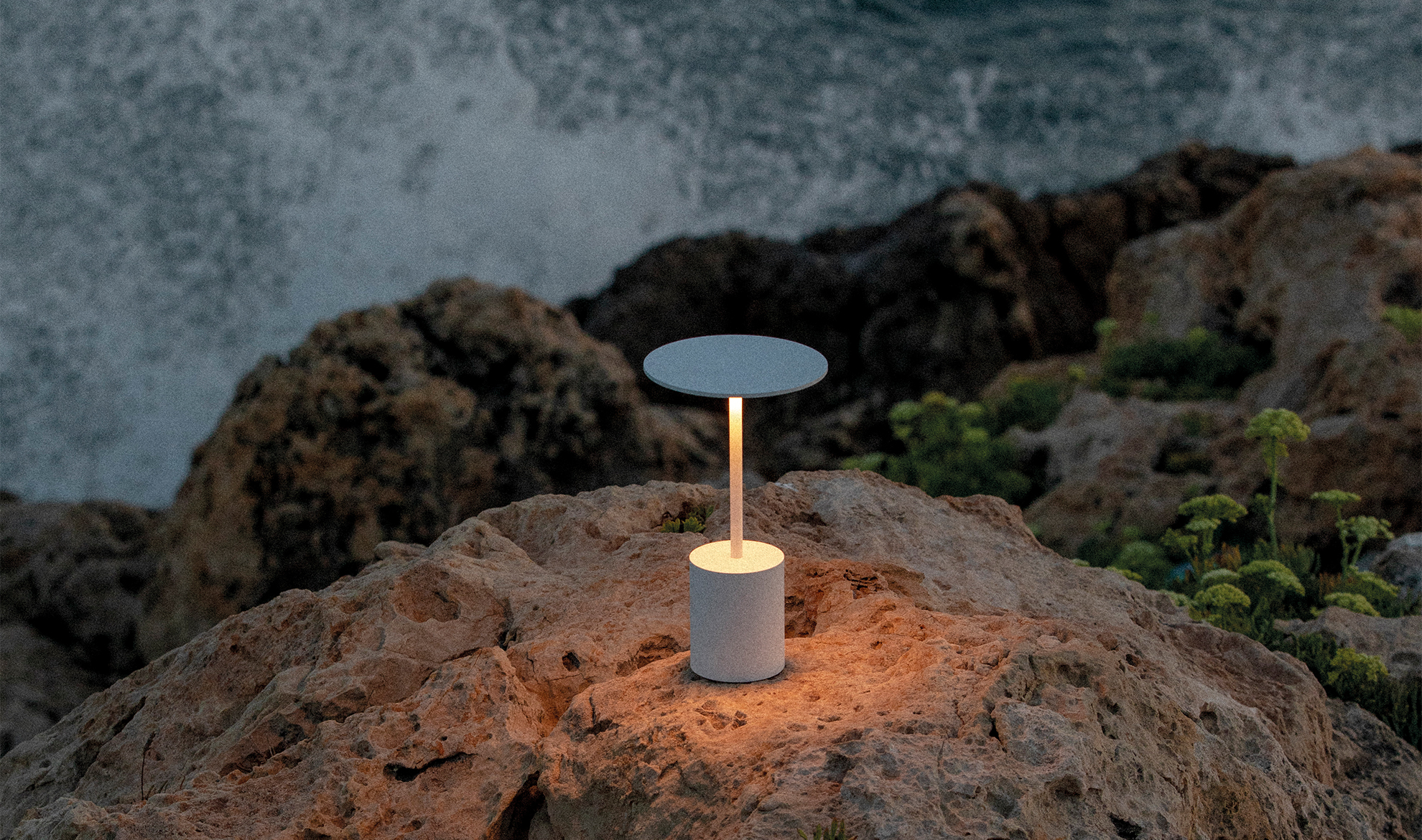
Designer Christophe Mathieu, creator of the Standup luminaire, highlights the importance of conceiving a product from and for architecture, pointing to professional specification as the key to well-being:
“Good lighting welcomes us, comforts us, makes us feel at home, and also helps us be more efficient in our daily lives. To achieve this, it is essential to choose the right luminaires for each use and space, relying on a skilled professional for guidance. Ultimately, light directly influences how we feel and how we inhabit our surroundings.”
Lighting does not only enable us to see; it also creates atmospheres, enhances materials and adds architectural depth.
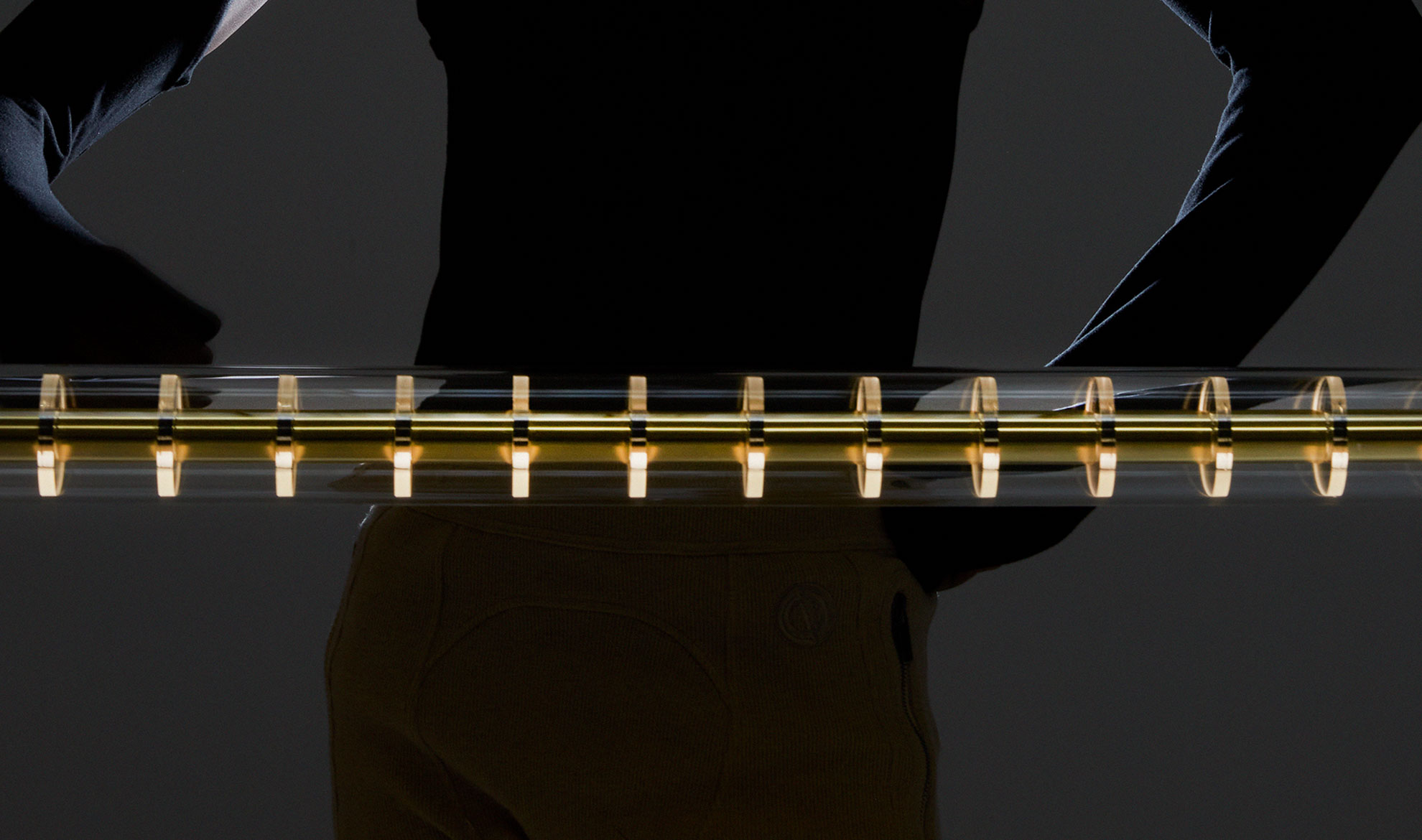
The design studio Geckeler & Michels, creators of the Warp luminaire, highlights the emotional and spatial role of light: “Light reveals colours and textures, and helps us understand the three-dimensionality of things.”
For the German studio, lighting defines the emotional tone of an environment in a similar way to how music defines an experience.
“Like the tone that makes the music, light makes sets the basic tonality for the experience of our environments”
Design as a balance between emotion, technology and sustainability
In contemporary lighting design, technological innovation, sustainability and aesthetic sensitivity must coexist naturally.
Rubén Saldaña sums it up as an exercise in balance:
“Design and engineering are companions on the journey and are obliged to understand each other for mutual benefit. Sustainability is an exercise in responsibility.”
Energy efficiency is no longer purely a technical matter, but also a design decision. An efficient luminaire optimises light quality, reduces energy consumption and extends the product’s lifespan.
“A luminaire should not only emit light in a controlled way, but also do so effectively and efficiently to achieve optimal performance.”
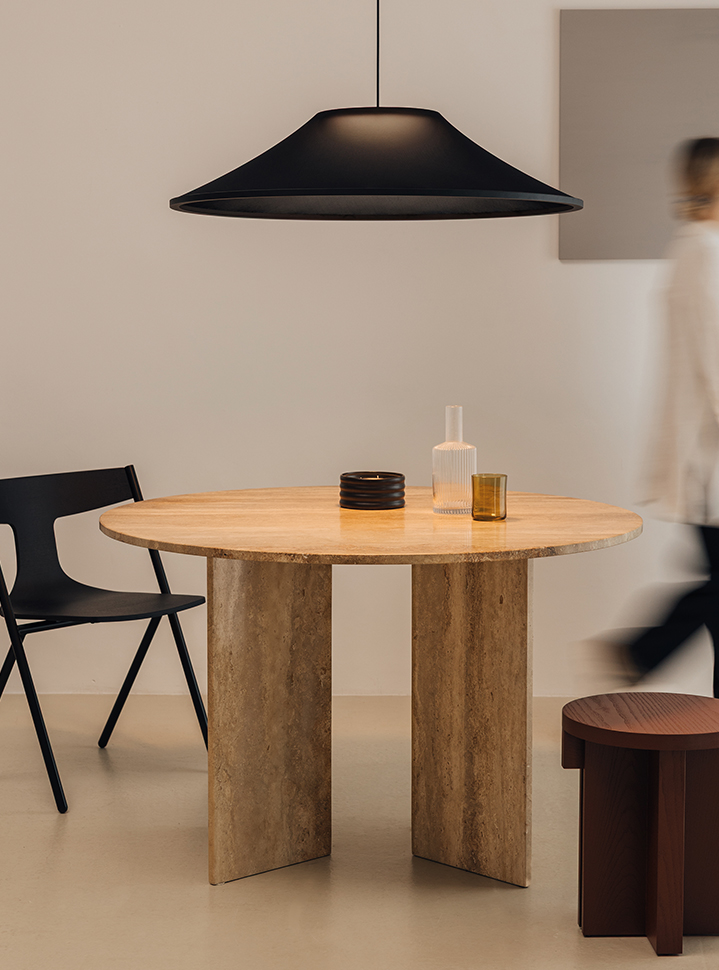
“Design can help an object be appreciated for longer, thanks to its appealing expression and superior functionality.”
Geckeler Michels
What makes the difference in a high-quality luminaire?

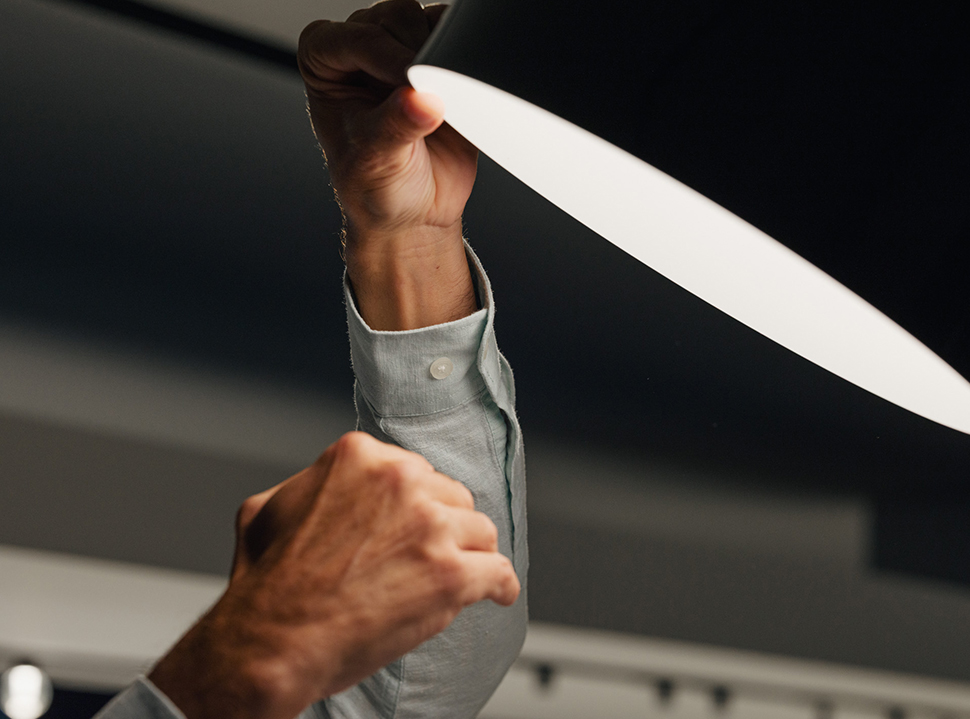
Both in visual experience and product durability, optical precision and architectural integration make it possible to perceive whether a luminaire is of high quality or not.
From the design studio Geckeler & Michels, two key aspects stand out:
“Simple technology designed for long-term use always prevails over cheap solutions.”
And they add:
“Design can help an object be appreciated for longer, thanks to its appealing expression and superior functionality.”
According to Mathieu: “Compared to furniture, luminaires are perhaps one of the products that have benefited the most from technological advances, especially with the emergence of LEDs. This evolution has multiplied design possibilities and allowed for the creation of luminaires that were previously unthinkable, giving rise to a new aesthetic language.”
The combination of precise technology, timeless design and visual comfort is what turns a luminaire into an architectural tool capable of improving everyday life.
“A luminaire is not understood in isolation, but in relation to the place it inhabits and the sensations it helps to create.”
Christophe Mathieu
Light as a tool to create more human spaces
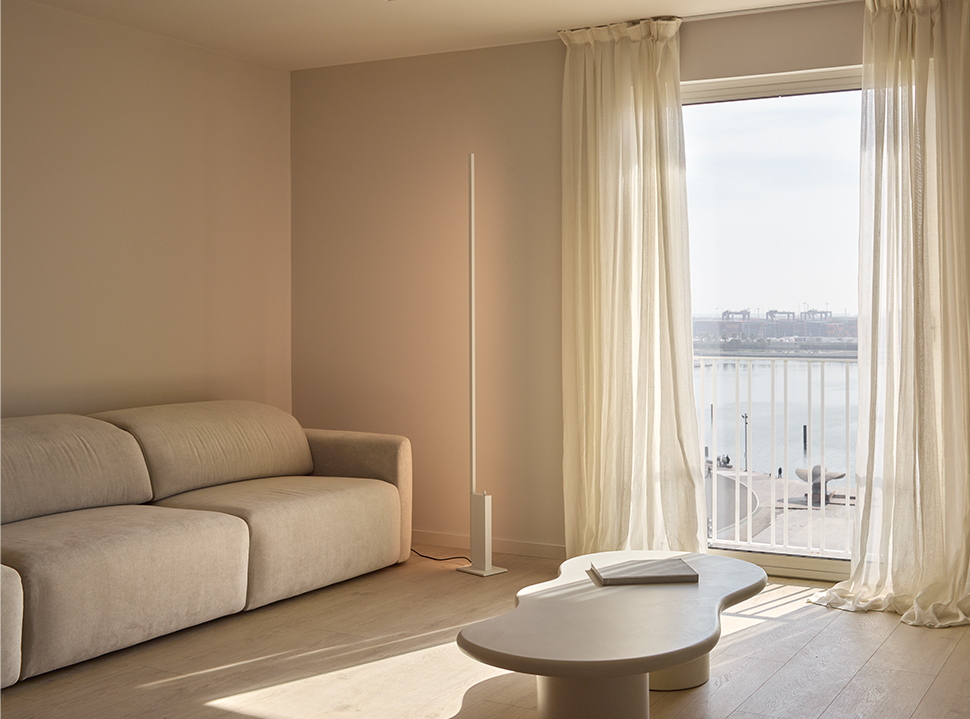
At Arkoslight, we understand lighting as a discipline that connects technology, architecture and wellbeing.
The design of luminaires is not only about illuminating spaces, but about improving the way people experience them.
On International Day of Light, we highlight the value of lighting designed for people: more comfortable, more efficient and more aware of its impact on our daily lives.