Outdoor lighting guide: color temperatures for outdoor luminaires
24.04.2026
- Light & Learn
- News
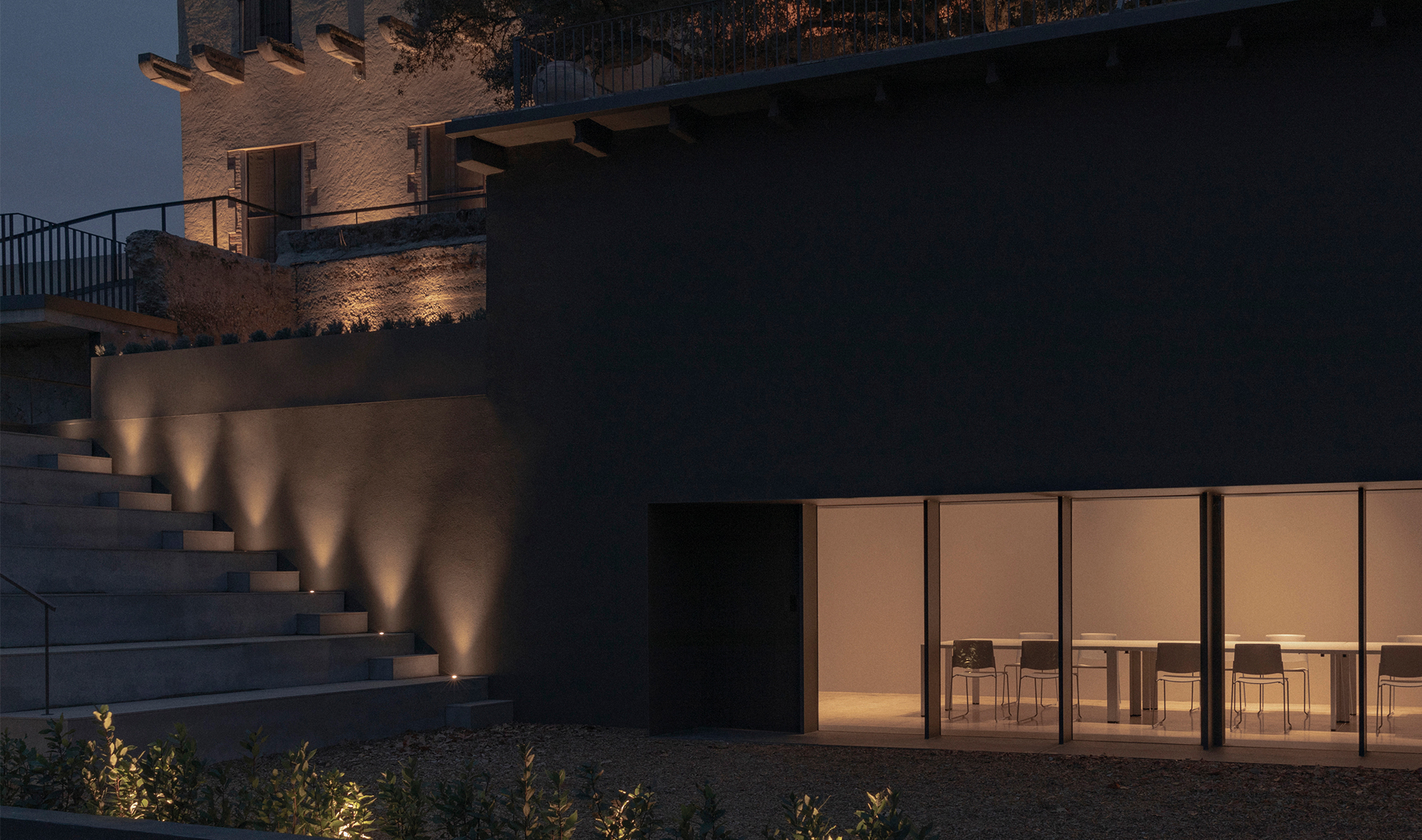
Outdoor lighting is not just for ornamental purposes; it defines the architecture once the sun is no longer present. Without clear physical boundaries, no ceilings or walls to contain it, light is what shapes the space. And within it, color temperature acts as a silent language capable of transforming the sensory perception of the surroundings.
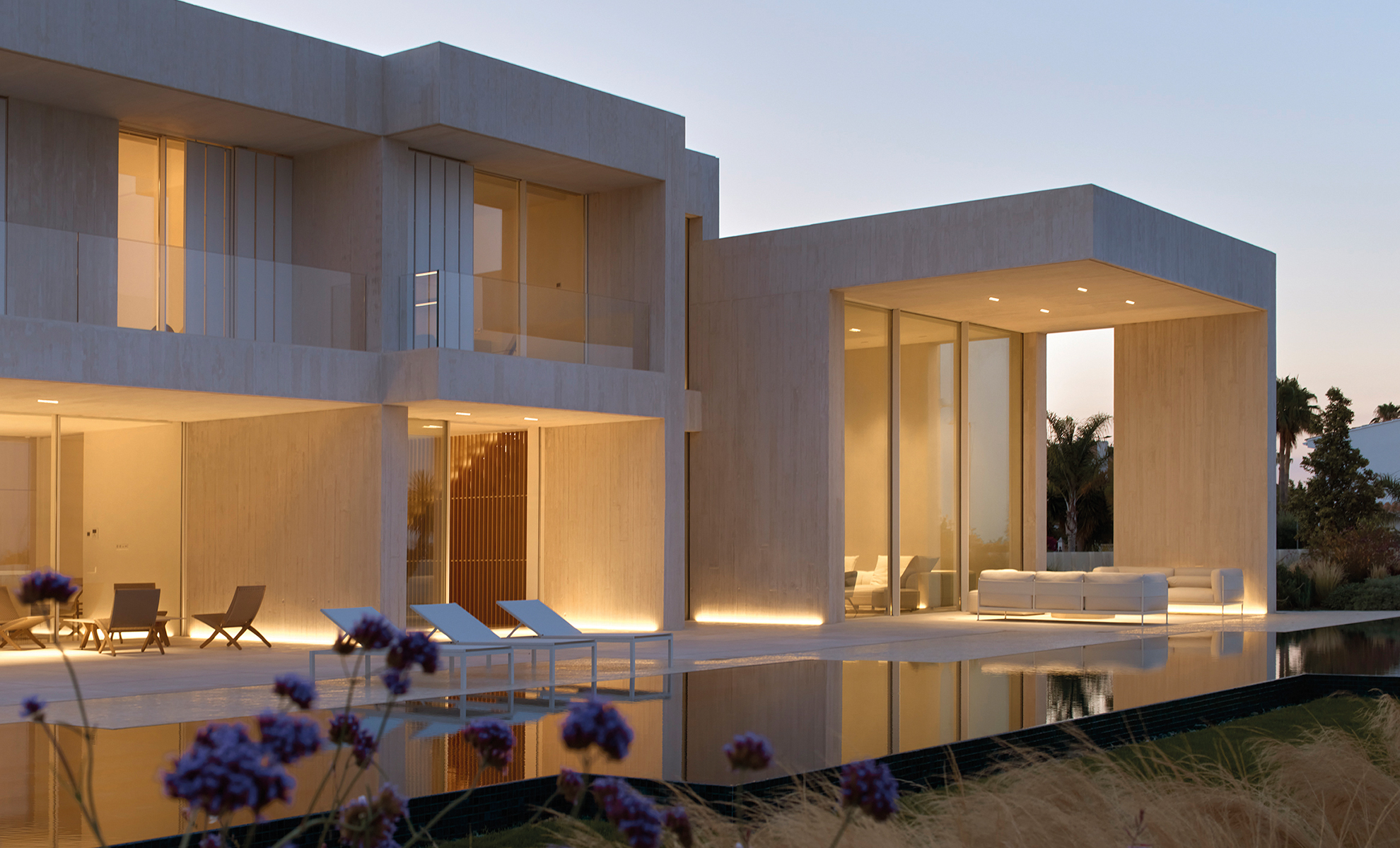
In this context, designing outdoor lighting is deciding how the space feels.
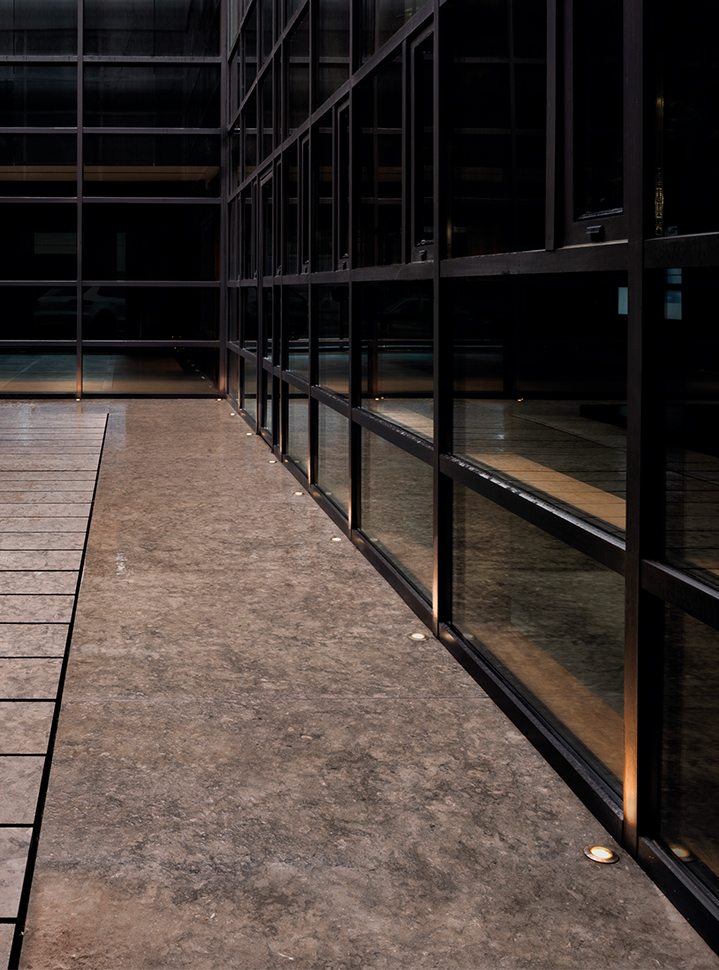
Color temperature as material
In architecture, light acts as an additional building material. Just like concrete, steel, or wood are chosen for their character, color temperature determines how these materials are perceived at night.
From the warmth of 2700K to the neutrality of 4000K, each color range introduces a specific nuance into the user’s experience. At Arkoslight, every exterior project is understood as a balance between aesthetics, visual comfort, and respect for the environment.
2700K : warmth as refuge
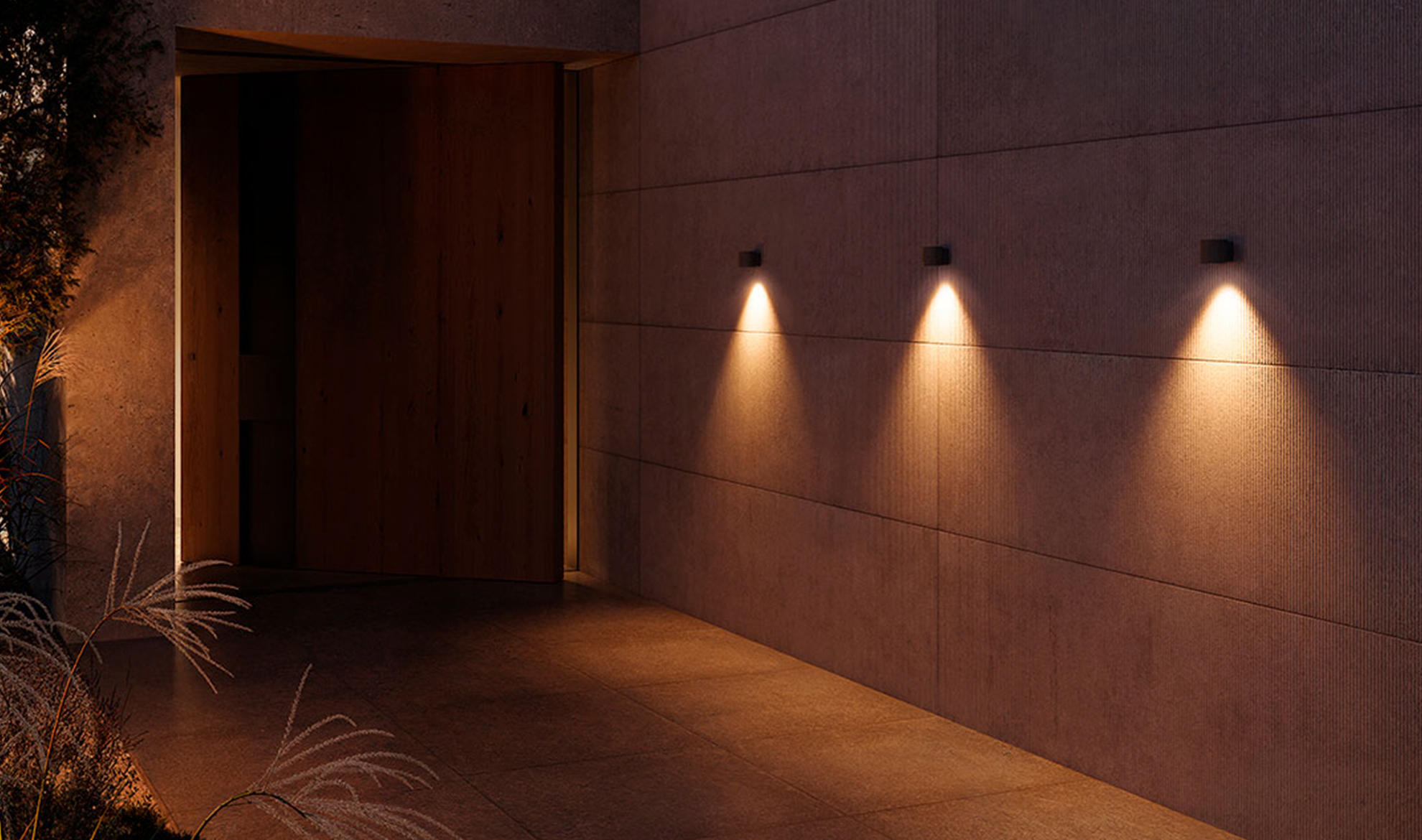
The 2700K temperature is the best ally for spaces that seek hospitality and calm. It is a light that does not invade but envelops. In gardens, terraces, or relaxation areas, this warm tone softens the materials, reduces contrast, and creates an intimate atmosphere, close to interior design.
Luminaires like Mr. Beam or Puck Outdoor allow this emotional dimension to be worked subtly, projecting light that highlights organic textures like stone or wood without altering their nature. Here, light is not perceived as an added element, but as part of the landscape.
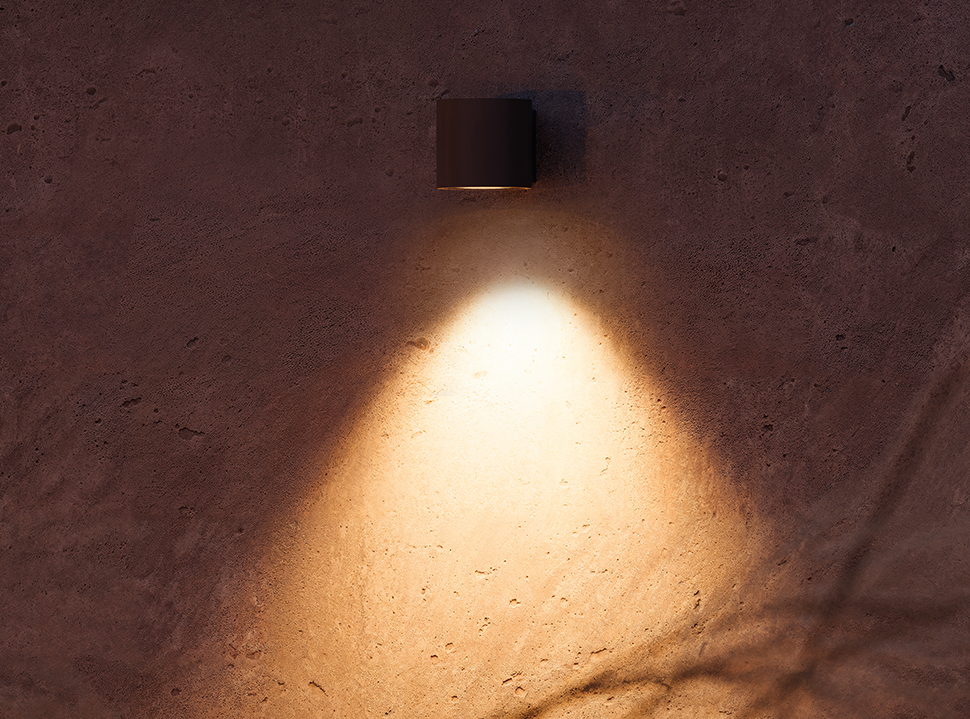
“Light is not so much something that reveals, but it is in itself the revelation.”
– James Turrell
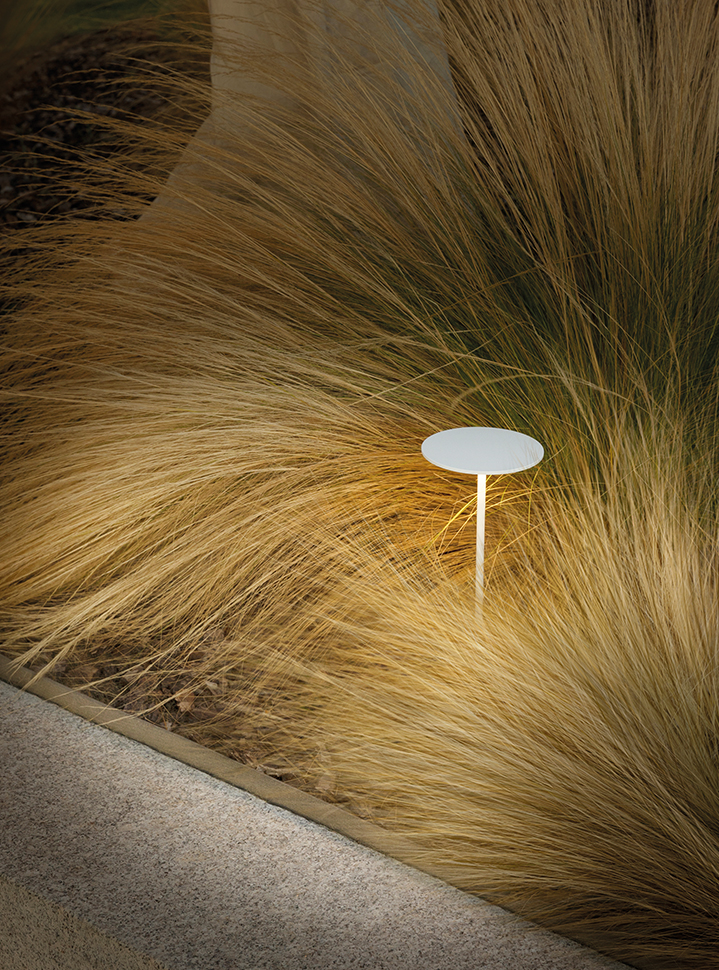
3000K: balance and continuity
Considered the standard of contemporary elegance, the 3000K temperature offers a balance between warmth and definition. It is the natural choice for landscaping, pathways, and transition areas where the light should guide without imposing itself.
Products like Yoru Spike, Skip o Rec Outdoor allow the creation of this middle layer of the project:
- They define paths clearly.
- They maintain the natural feel of the environment.
- They enhance the color of the vegetation without distorting it.
4000K: precision and architectural readability
When the goal is to highlight geometry, structure, or materiality, the 4000K temperature introduces clarity and precision. This neutral tone allows for a more technical reading of the space: it emphasizes lines, increases contrast, and improves the perception of detail.
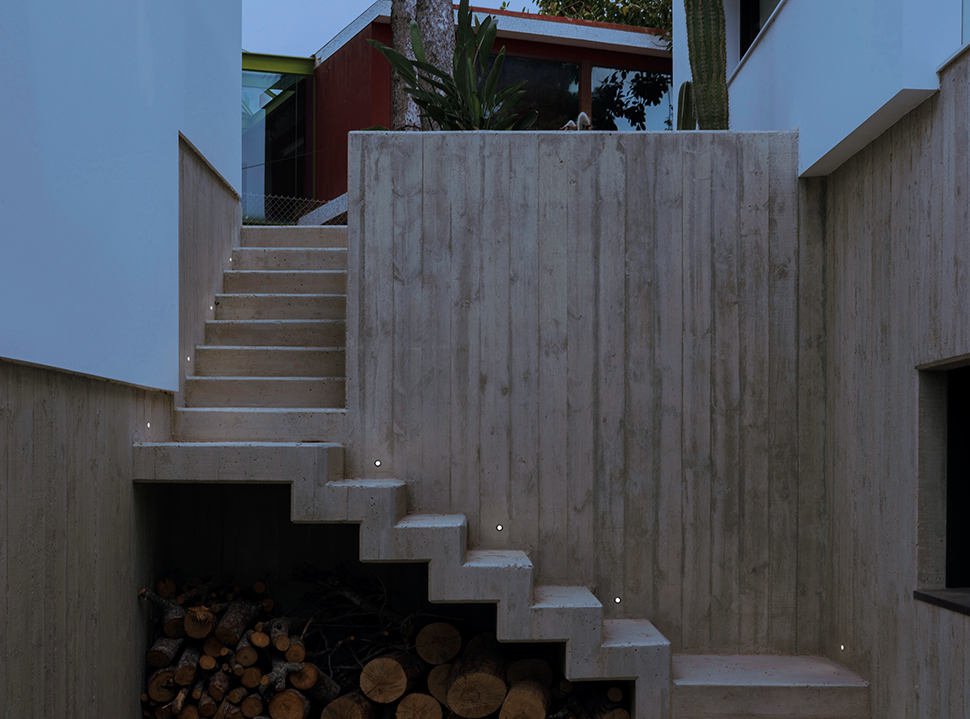
Luminaires like Step or Dark are particularly suitable for access areas, walkways, or contexts where visibility is a priority.
Layers of light: Building the experience in outdoor spaces
An outdoor lighting project is not solved with a single temperature, but through the layering of different elements that narrate the space:
| TEMPERATURE | FUNCTION | APPLICATION |
| 2700K | INHABIT | Relaxation areas, reading, wood textures |
| 3000K | CONNECT | Paths, vegetation, transitions |
| 4000K | DEFINE | Technical facades, security, concrete |
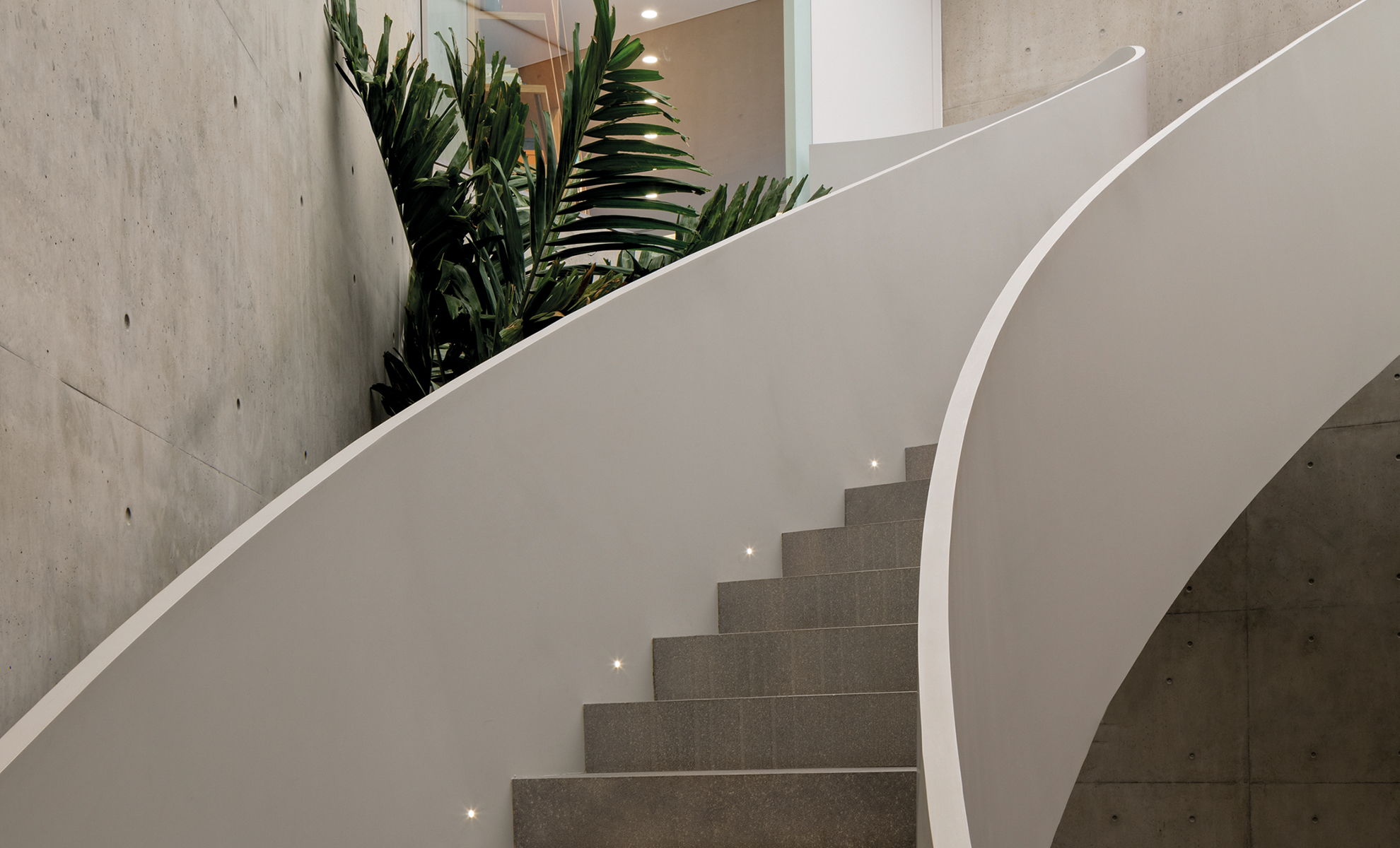
Arkoslight’s outdoor solutions are designed to work within this system, combining optical precision and architectural integration. Light stops being uniform and becomes a narrative.
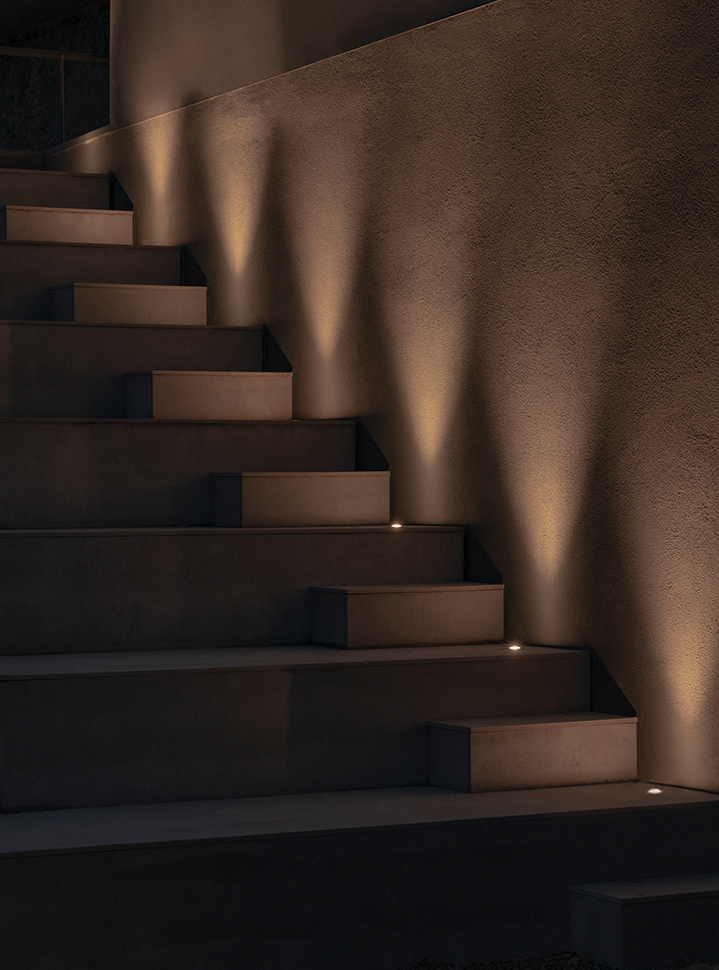
Integration with the environment
The outdoors is not a blank canvas. It is context, landscape, and darkness. That’s why lighting must be responsible:
- Warm temperatures: respect natural cycles.
- Controlled optics: prevent scattering into the sky.
- Adjusted intensities: reduce light pollution.
Color temperature is not a technical detail but a language. A decision-making system that articulates the relationship between architecture, user, and environment. In outdoor lighting, every choice defines the perception of the place, accompanies its rhythm, and inhabits the space.
Because, when light is designed with intention, the outdoors stops being a place that is seen and becomes a place that is lived and felt.