Light & Space: The 1960s Art Movement That Transformed Light into Space
31.07.2026
- Light & Learn
Light is often seen as a means of revealing architecture. What happens when it goes beyond illuminating objects to become the very focus of an experience?
This question inspired the ‘Light & Space’ movement, which emerged in California in the 1960s. Artists including James Turrell, Robert Irwin, and Doug Wheeler examined how light could reshape perception, transcend physical boundaries, and transform our relationship with space.
Beyond an artistic movement, ‘Light & Space’ offered a new understanding of design: a shift from creating objects to shaping perceptual experiences.
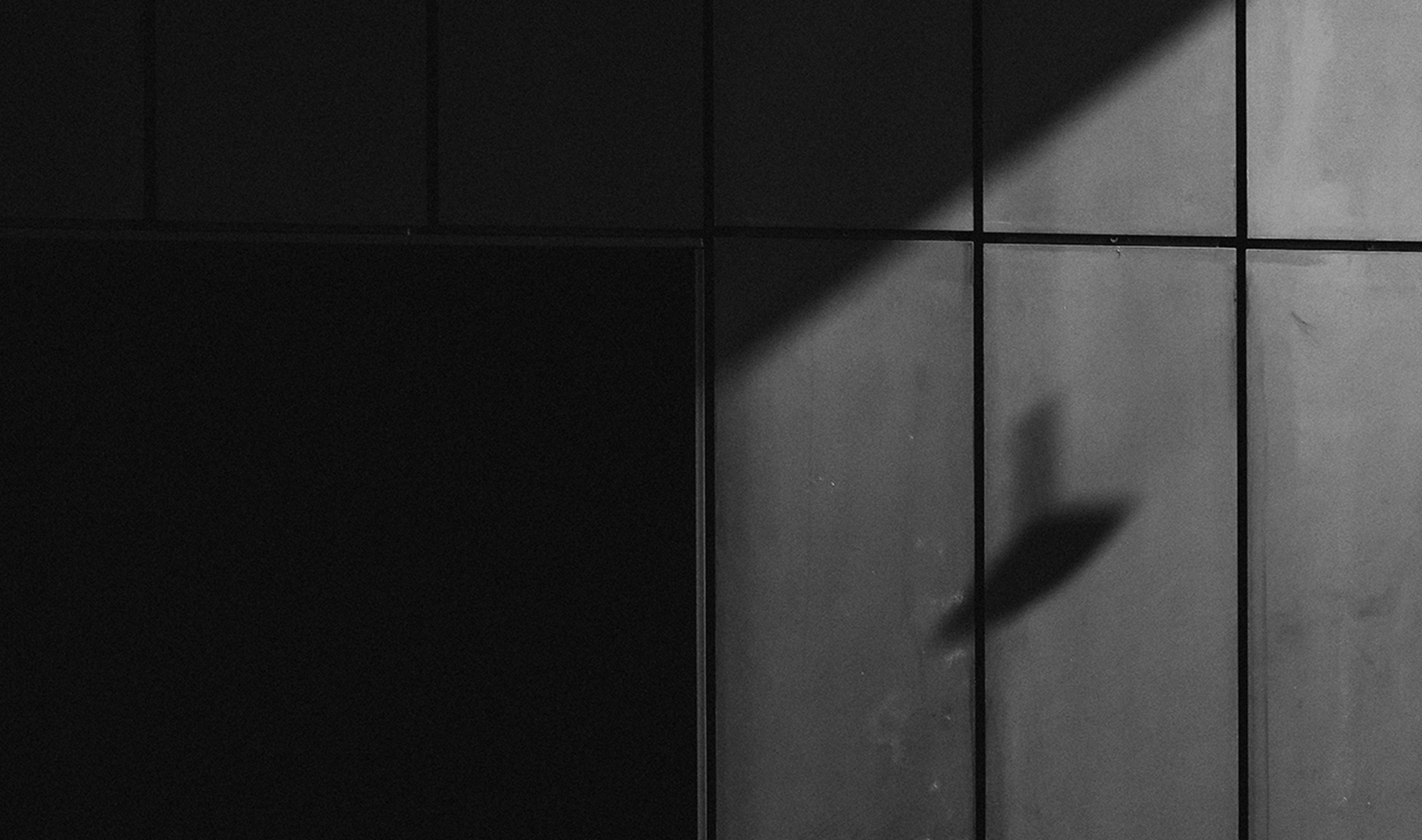
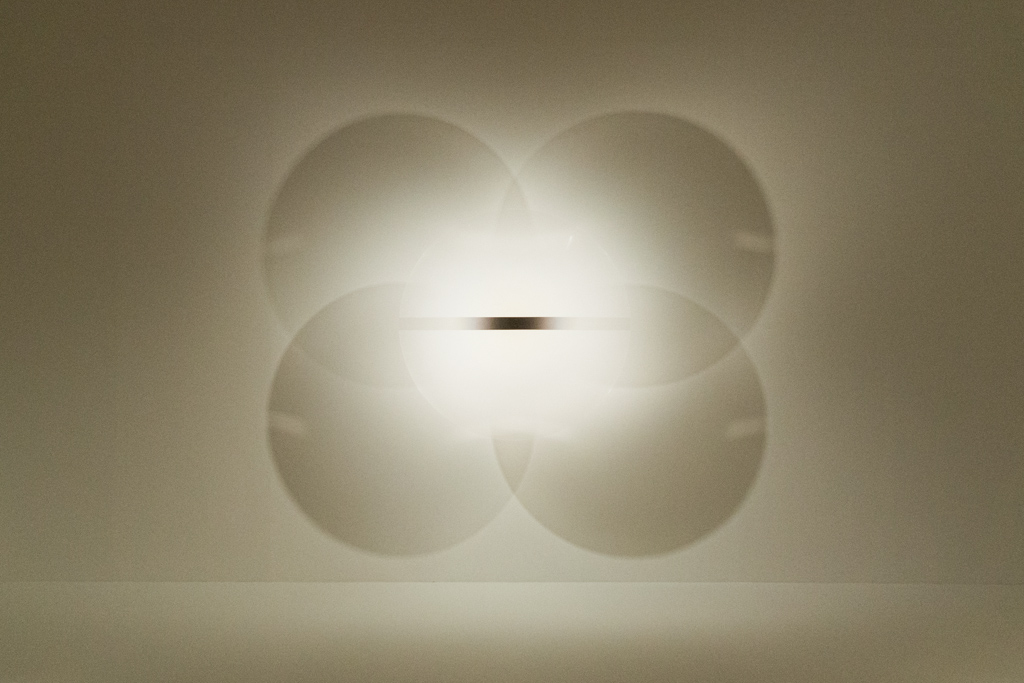
Artwork (below): Robert Irwin, Untitled, 1969
“Light is a powerful medium. We have a primal connection to it.”
— James Turrell
Perception as the primary medium
Unlike many other art movements, ‘Light & Space’ looked beyond form and representation.
Its focus was the way we perceive our surroundings.
By manipulating light, color, scale, and atmosphere, these artists shaped environments that blurred the boundaries between architecture and perception. An artwork was meant to be experienced, rather than simply viewed.
Within these spaces, light moved beyond function to become an intangible medium, reshaping our perception of depth, volume, and even infinity.
When Architecture Disappears
One of the movement’s most influential principles was to remove anything that drew attention away from light.
White surfaces, pure geometries, and softened boundaries brought the perception of space into focus.
This thinking finds a strong parallel in contemporary architectural lighting: as the luminaire recedes from view, light itself takes on greater prominence.
The aim is to let the experience unfold, with technology quietly supporting it.
‘Feel the Light’: Experiencing Light
These principles continue to inform contemporary spaces that invite us to experience light.
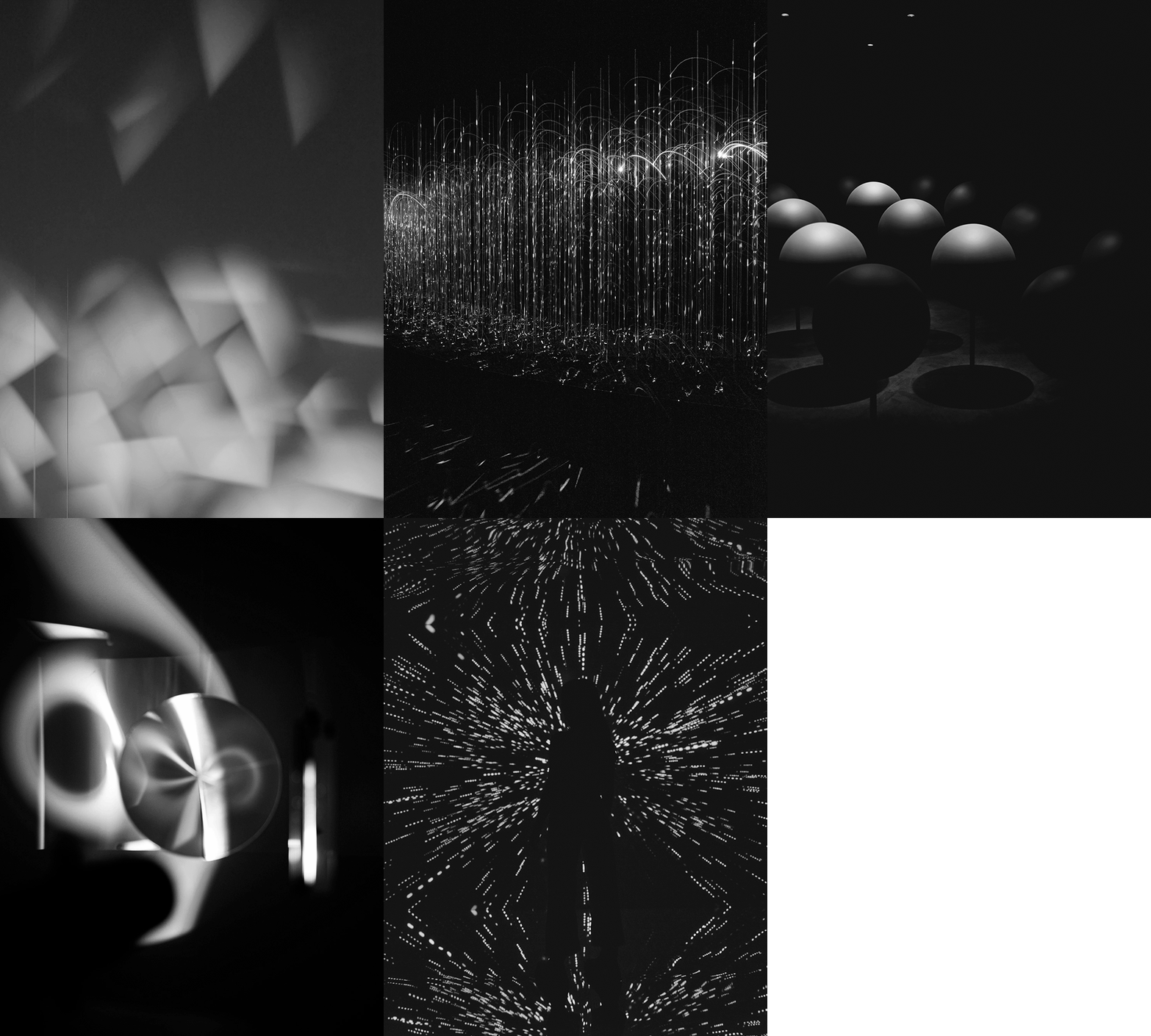
At Arkoslight’s facilities, projects such as ‘Feel the Light’ bring reflection, refraction, and spatial perception into an immersive setting where science, technology, and emotion come together.
As in the installations of Turrell and Wheeler, the space becomes more than a place: it becomes a medium that reshapes how we feel and perceive our surroundings.
More than half a century since it emerged, the ‘Light & Space’ movement still poses a fundamental question:
What if architecture’s true material were less about space itself and more about how we perceive it?
That question resonates in every project where light moves beyond its technical role to become an experience.
When light begins to shape emotions rather than simply illuminate objects, space becomes more than something we see. It becomes something we feel.
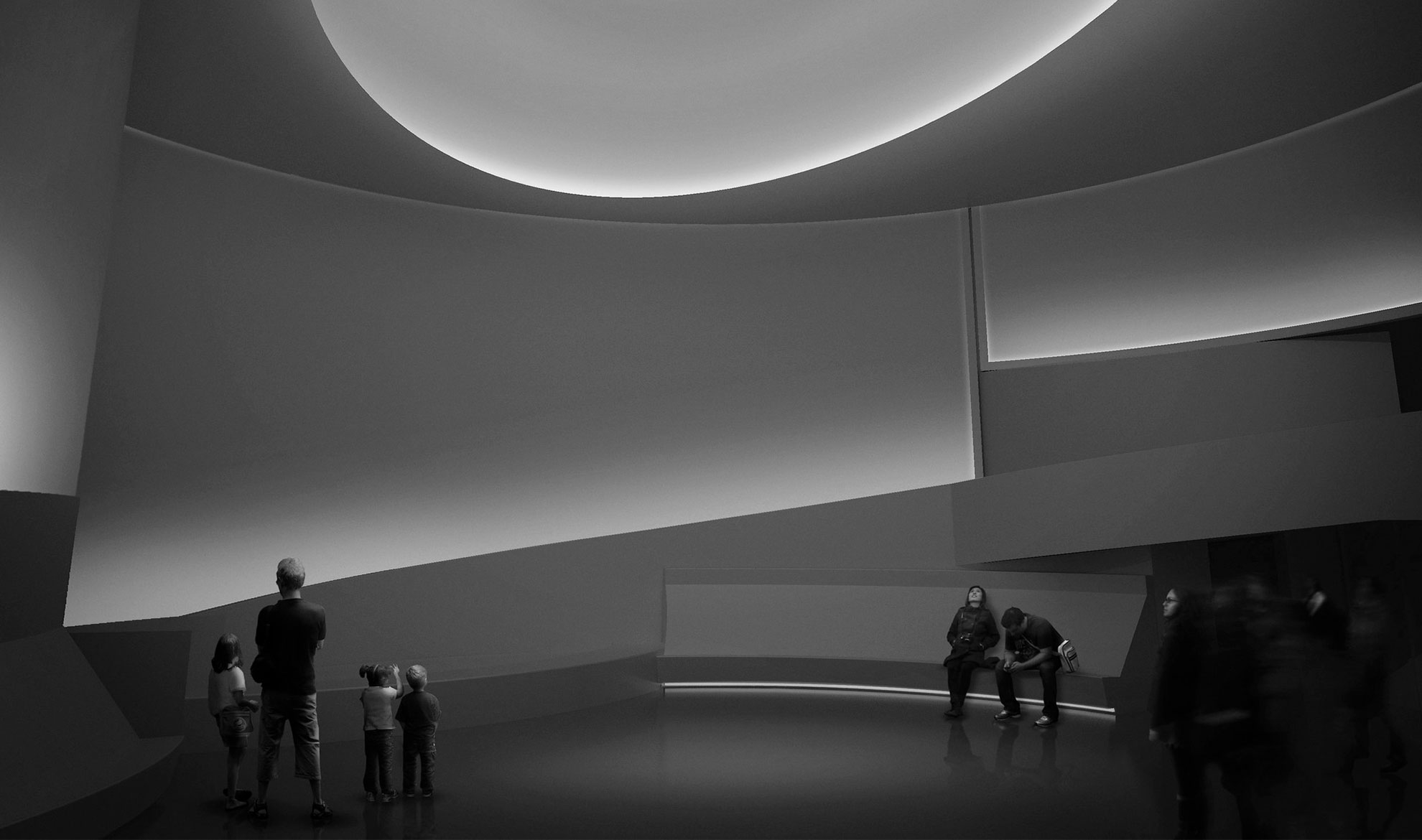
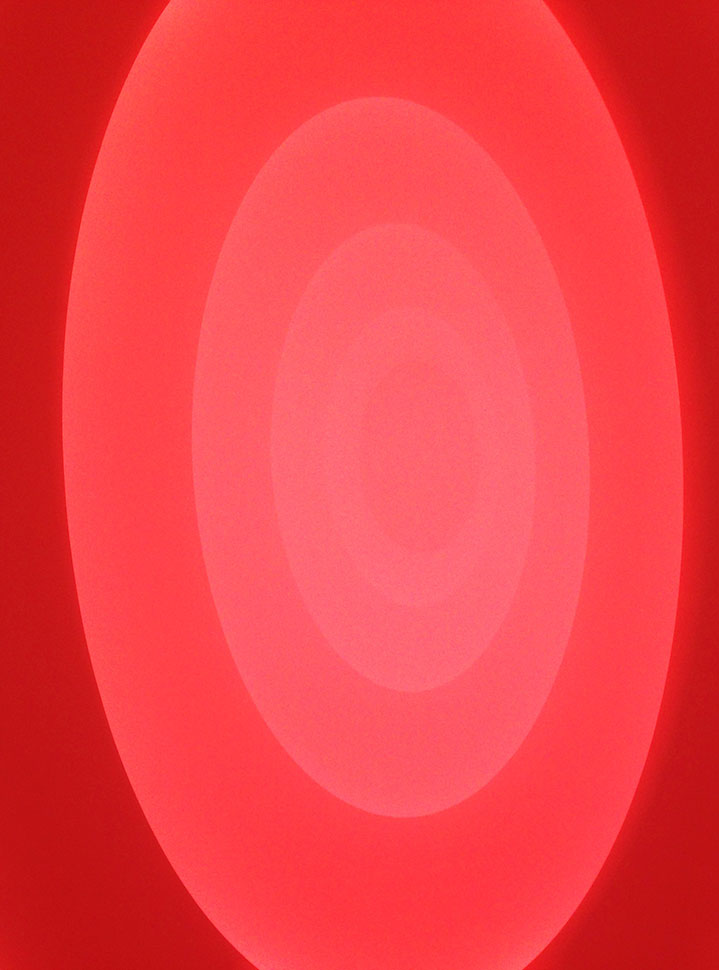
Cover image: James Turrell, Rendering for Aten Reign – Photo 02. Courtesy of the Solomon R. Guggenheim Foundation.