6 Developments Shaping Lighting in 2026
08.01.2026
- Light & Learn
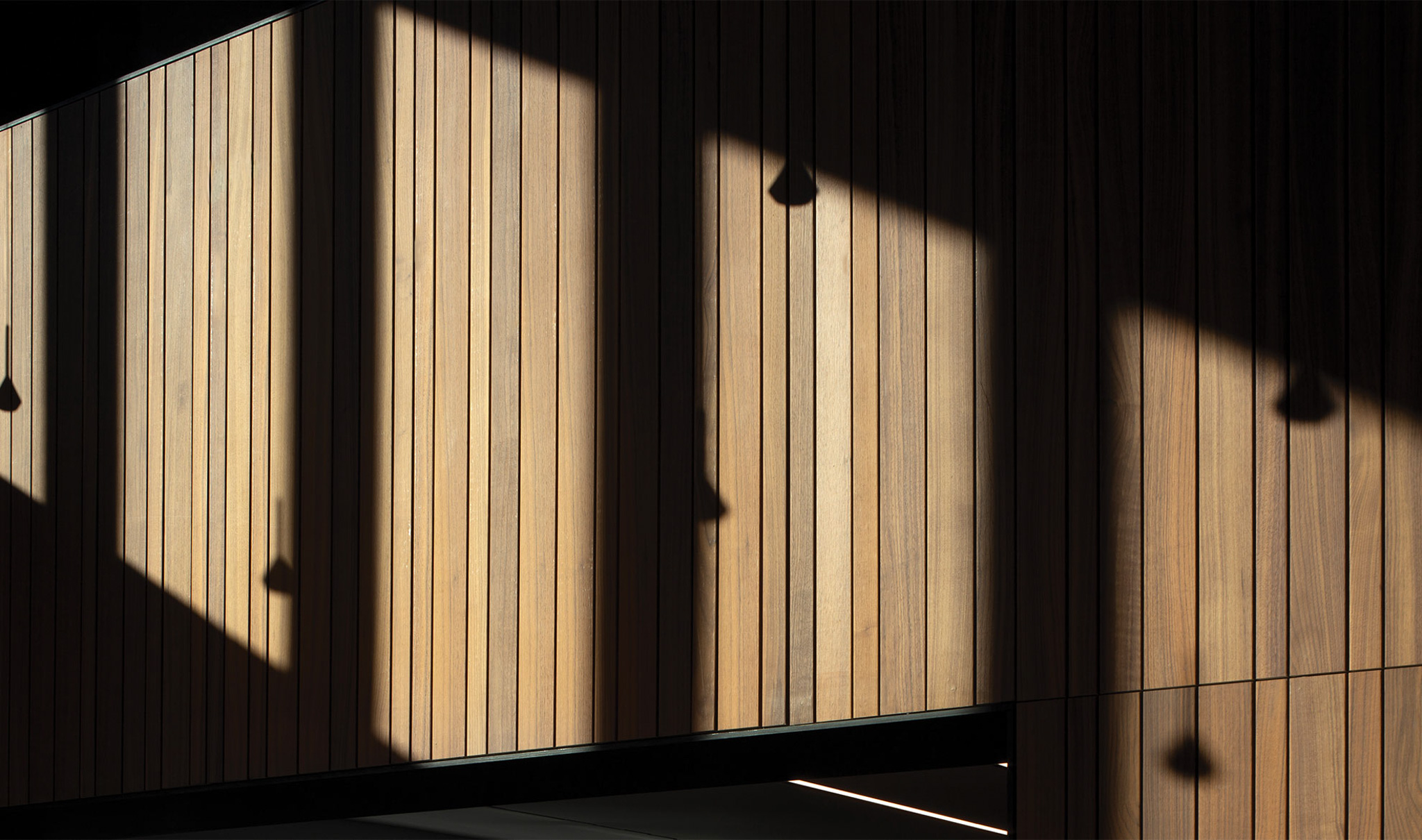
Exploring developments in lighting for 2026 means looking beyond passing styles or fixed trends. It calls for observing a process already underway: a gradual, steady evolution in how light is conceived, inhabited, and perceived.
Conversations with architecture and interior design studios including Xarquitectos, Hub Kafkas, Verno Estudio, and Berd Studio reveal a shared perspective: lighting is becoming more considered, sensitive, and precise.
2026 emerges as a year of maturity rather than a radical turning point, bringing technique, emotion, and architecture into a more natural dialogue.
1. Designing Light as Part of the Architecture
Light is increasingly conceived as a structural layer of the design, moving beyond its role as an added element. Integrated into geometry, circulation, and proportions, lighting helps shape the space and strengthen its identity while maintaining a discreet visual presence.
Xarquitectos offers a clear perspective:
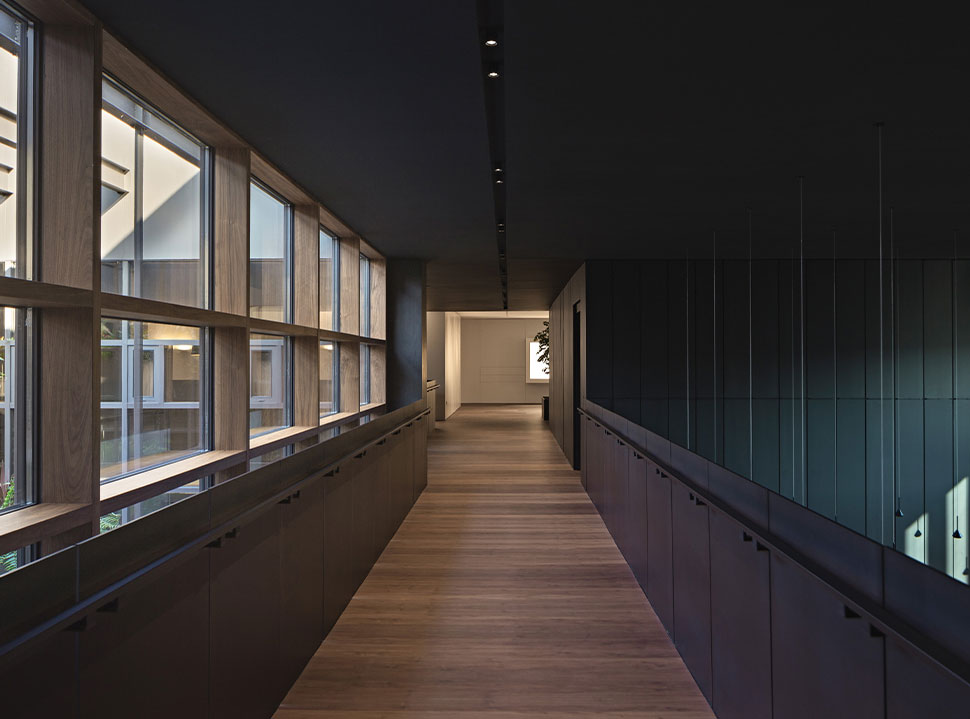
“Light is another layer of the design, considered from the outset alongside materials and layout, rather than added later.”
This approach brings greater coherence to architecture, with lighting supporting and defining the space without competing for attention.
2. Creating Adaptable Spaces Through Light
Spaces increasingly accommodate multiple uses. Work, rest, and leisure share the same setting, with lighting playing a central role in these transitions. Lighting scenes, dimming, and layers of light can transform a space while preserving its architecture.
Hub Kafkas emphasizes the importance of systems that adapt to users’ needs and anticipate different activities and moments. Light becomes a dynamic resource, creating distinct atmospheres as the day unfolds.
3. Prioritizing Comfort as a Sensory Experience
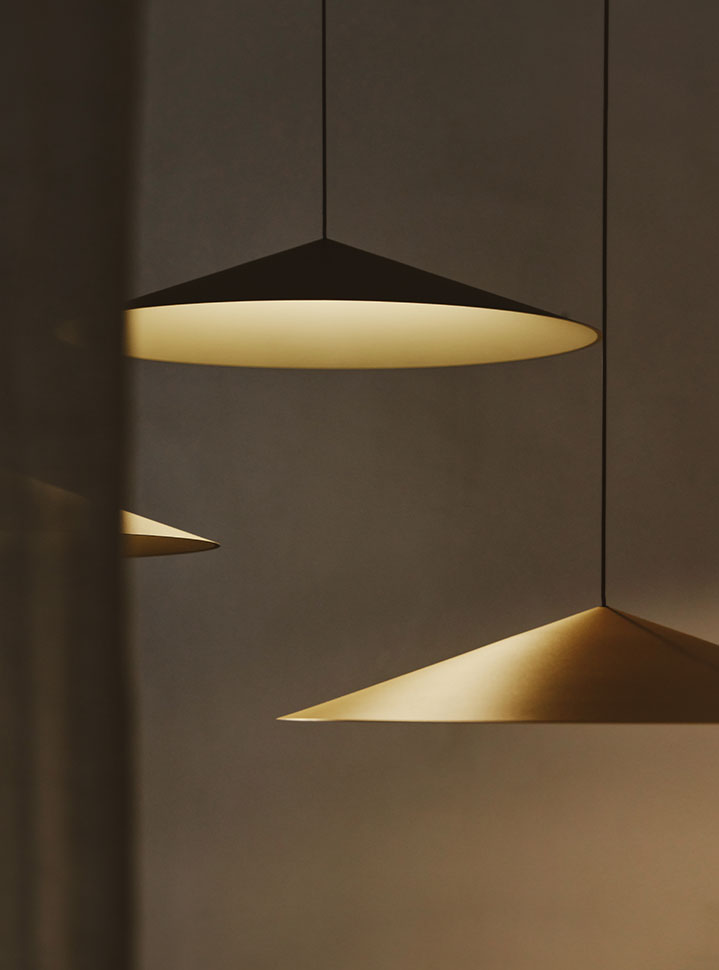
Visual comfort takes on a more perceptual, human dimension. Technical rigor remains essential, while greater attention turns to how light feels: gentle transitions, the interplay of light and shadow, and freedom from harsh contrasts.
From an architectural standpoint, Xarquitectos emphasizes the value of gradation and control in creating spaces that remain livable over time. Comfort is measured as much through sensory experience as through numbers.
4. Supporting Natural Rhythms with Warm Light
Warm light, particularly in ranges reminiscent of dawn and dusk, plays a central role in the pursuit of well-being. Low color temperatures, unidirectional light, and indirect illumination help support biological rhythms and shape calmer, more human atmospheres.
Verno Estudio highlights pieces that can be understood and appreciated, with warmth and light direction that recall the natural world. This approach brings lighting into dialogue with the unfolding day, accompanying circadian cycles and strengthening the connection between emotion, perception, and time.
5. Giving Emotion and Function Equal Weight
The divide between emotional and functional lighting becomes less relevant. In 2026, the two approaches converge to meet the needs of complex, varied spaces. Technical precision ensures performance, while emotion brings meaning and a connection with the user.
Berd Studio champions lighting as an element that can organize and guide activities, while engaging a sensory dimension that is difficult to recreate in virtual environments.
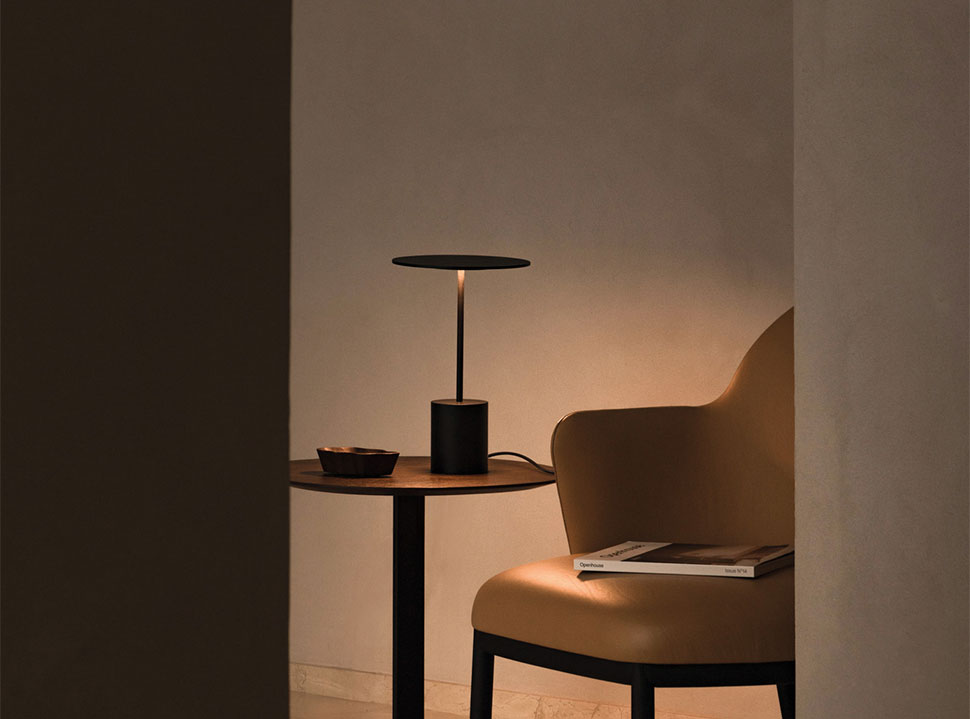
“Emotion complements function rather than replacing it.”
6. Bringing Empathy to Technology
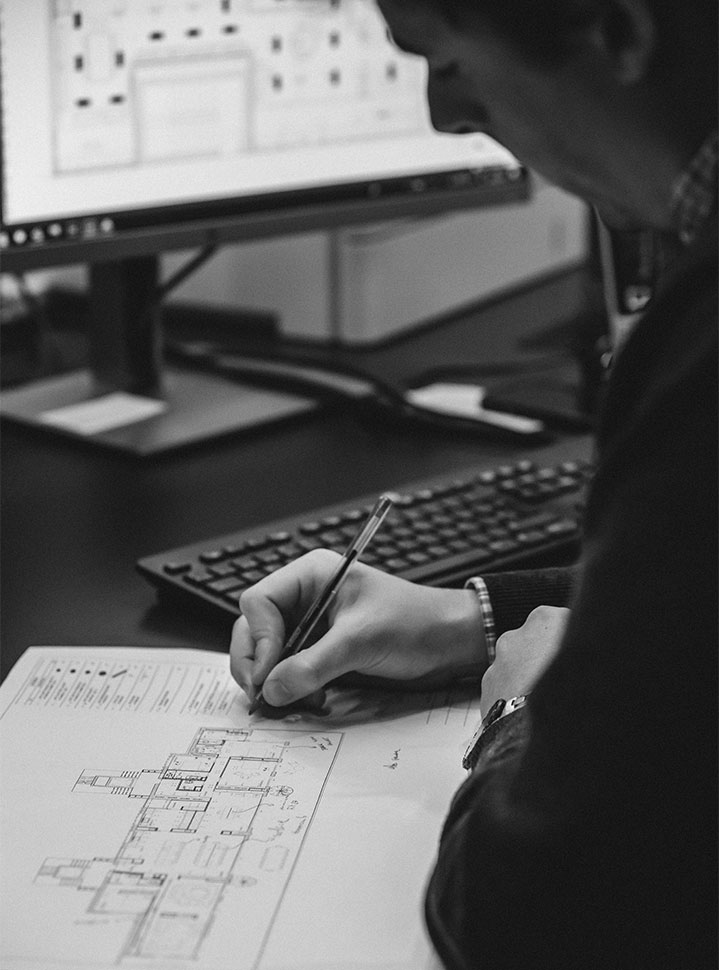
Automation, control systems, and artificial intelligence are becoming integral to design, with the experience remaining the priority. Sensors, lighting scenes, and dynamic white light help optimize energy use, maintenance, and comfort, adapting to each person and moment.
Hub Kafkas views technology as a means of anticipating needs and personalizing lighting. Its true value lies in receding from view rather than drawing attention to itself, allowing the experience to feel fluid and natural.
One Word for 2026
If one word could define lighting in 2025, it would be “awareness”: of users, daily rhythms, and the way light affects well-being, productivity, and our emotional perception of spaces. Lighting has evolved from an automatic response into a thoughtful, responsible design decision.
As we look toward 2026, this awareness continues to develop, shaping a more mature, adaptable, and perceptive approach to lighting, where technique, emotion, and architecture enter into a natural dialogue. Designing with light becomes an act of listening and empathy, serving the people who inhabit and experience these spaces.