Light & Space: the 1960s art movement that turned light into space
31.07.2026
- Light & Learn
Light is often understood as a tool for revealing architecture. But what happens when it stops illuminating objects and becomes the object of the experience itself?
That was the question that inspired the ‘Light & Space’ movement, which emerged in California during the 1960s. Artists such as James Turrell, Robert Irwin, and Doug Wheeler explored light’s ability to alter perception, transcend physical boundaries, and transform our relationship with space.
More than an artistic movement, ‘Light & Space’ proposed a new way of understanding design: not as the creation of objects, but as the shaping of perceptual experiences.
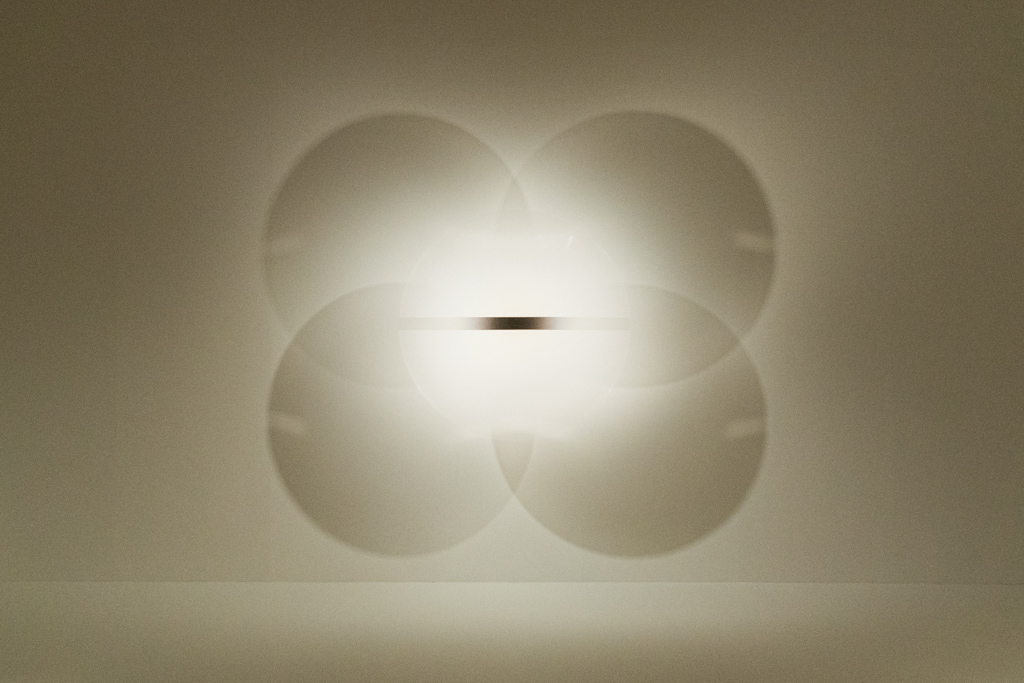
Artwork (below): Robert Irwin, Untitled, 1969
“Light is a powerful medium. We have a primal connection to it.”
— James Turrell
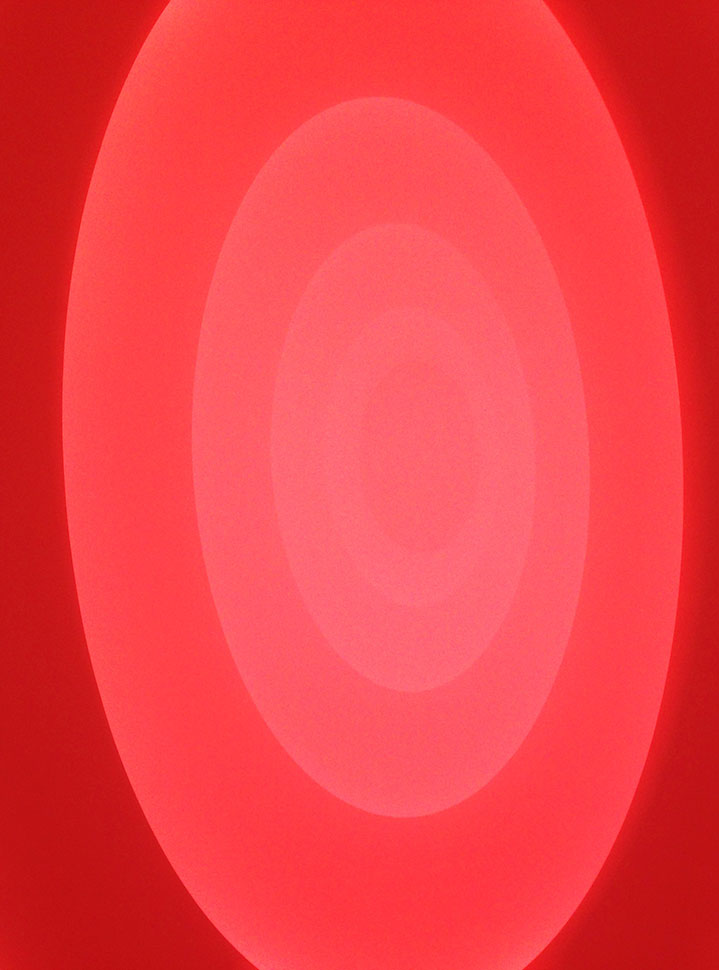
Perception as the primary medium
Unlike many other artistic movements, ‘Light & Space’ was not concerned with form or representation.
Its focus was on how we perceive our surroundings.
By manipulating light, colour, scale, and atmosphere, these artists created environments where the boundaries between architecture and perception dissolved. The goal was not simply to view an artwork, but to experience it.
In these spaces, light ceased to be a functional element and became an intangible medium capable of transforming our sense of depth, volume, and even infinity.
When architecture disappears
One of the movement’s most influential ideas was the removal of anything that distracted from its central focus: light.
White surfaces, pure geometries, and blurred boundaries allowed attention to rest solely on the perception of space.
This approach resonates strongly with contemporary architectural lighting: the more invisible the luminaire, the more prominent the light itself becomes.
The goal is not to showcase the technology, but to allow the experience to unfold.
‘Feel the Light’: experiencing light
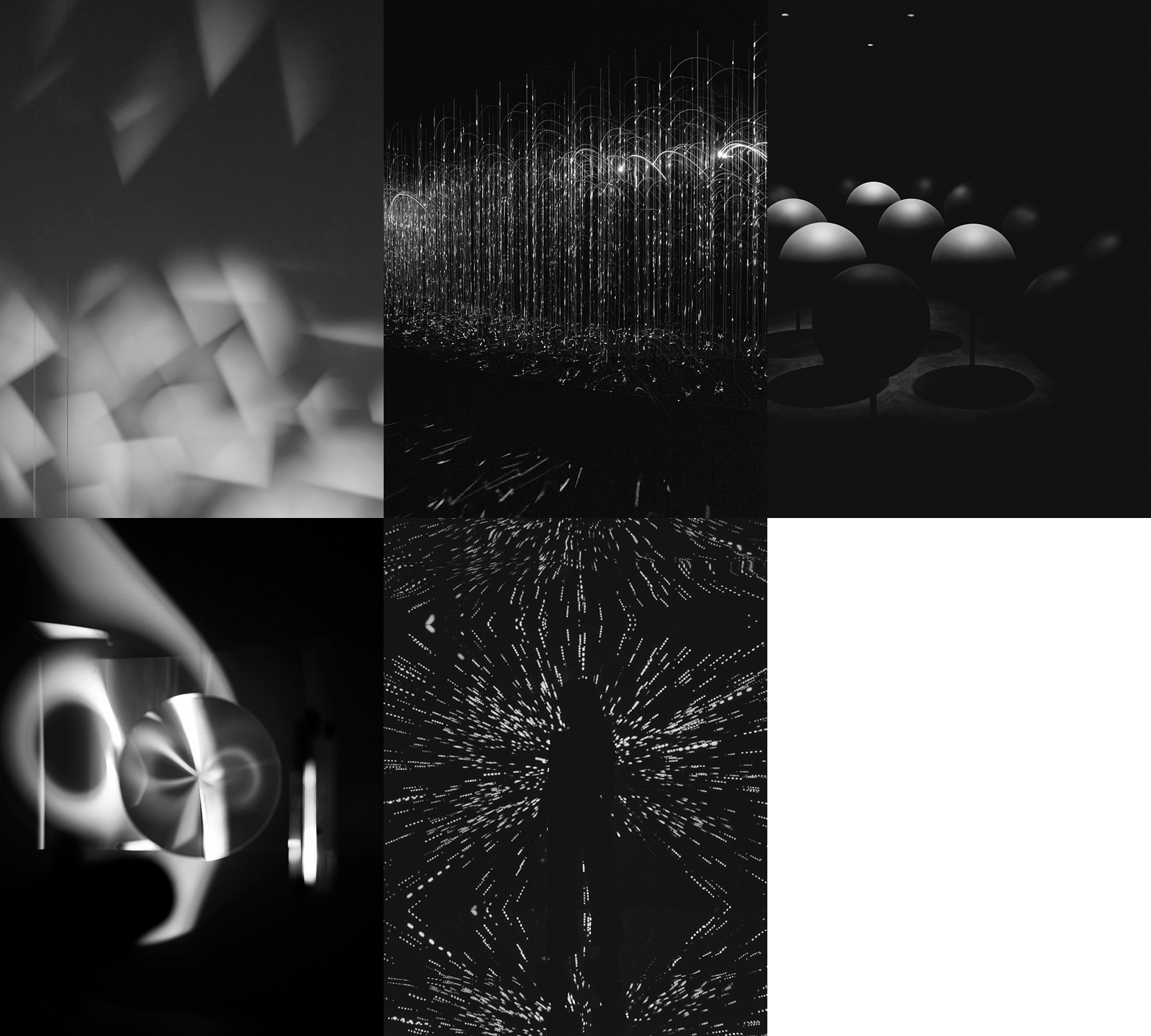
The influence of these principles can be seen in contemporary spaces designed to explore light as an experience.
Projects such as ‘Feel the Light’, at Arkoslight’s facilities, transform concepts such as reflection, refraction, and spatial perception into an immersive experience where science, technology, and emotion converge.
Like the installations of Turrell and Wheeler, the space itself becomes more than a place—it becomes a medium capable of transforming how we feel and understand our surroundings.
Book your appointment and experience ‘Feel the Light‘ through this link.
More than half a century after its emergence, the ‘Light & Space’ movement continues to raise an essential question:
What if the true material of architecture was not so much space itself, but what we perceive of it?
The answer remains relevant in every project where light transcends its technical function to become an experience.
Because when light stops illuminating objects and begins to shape emotions, space ceases to be something we simply see and becomes something we feel.
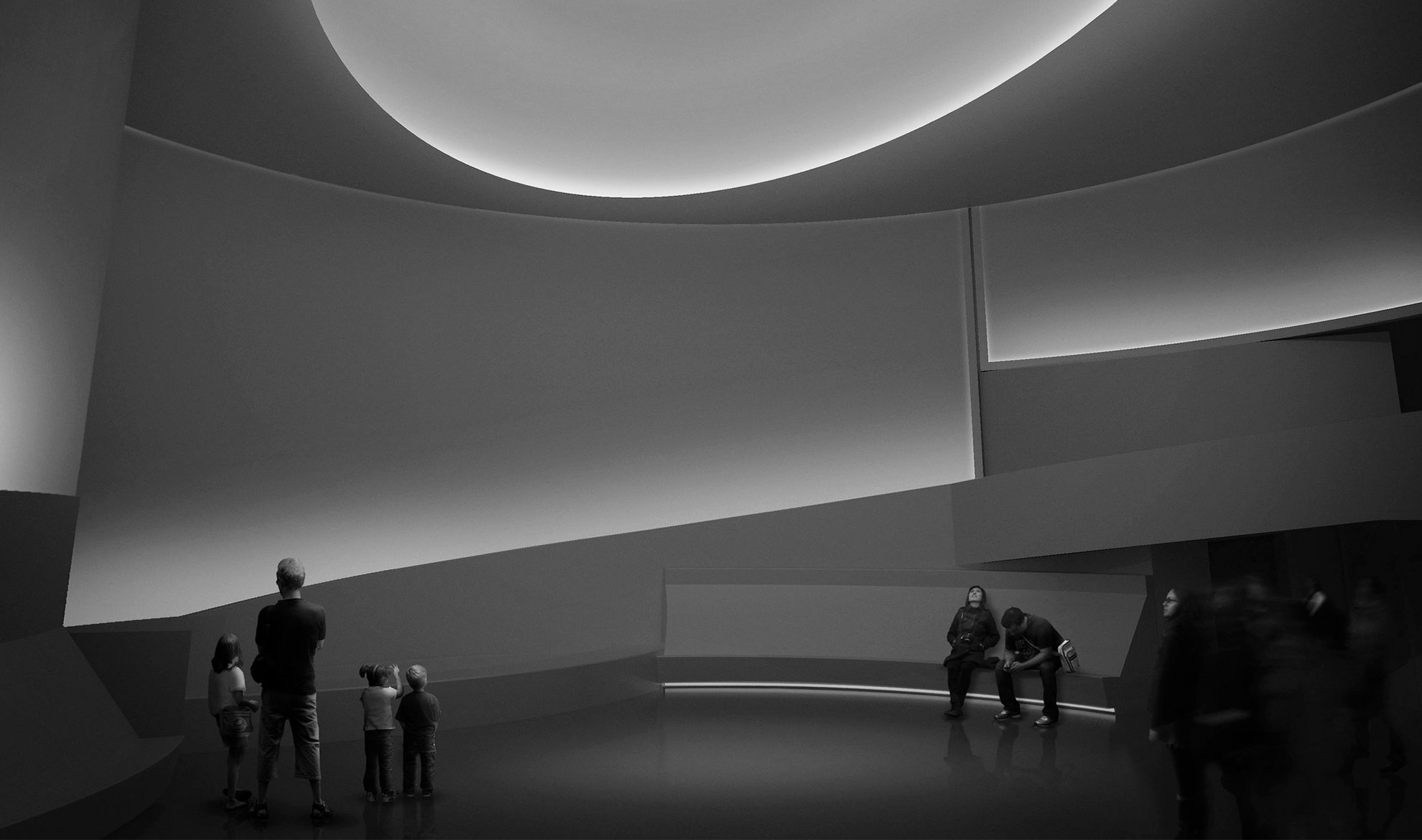
Cover image: James Turrell, Rendering for Aten Reign – Photo 02. Courtesy of the Solomon R. Guggenheim Foundation.