World Architecture Day: 3 Perspectives on Light’s Inspiration and Enduring Presence
05.10.2026
- Light & Learn
Architectural lighting does more than make a space visible. Light helps us perceive materiality, accompanies us, and shapes our experience of the spaces we inhabit.
Throughout history, approaches to building have endured across eras, influencing how we inhabit spaces today. What allows certain works of architecture to stand the test of time? How can lighting retain its relevance over the years?
To mark World Architecture Day, we spoke with architects Laura Moreno (Balzar Architects), Cristina Anglès Farré (L35 Architects), and Sergio Alfonso (Francesc Rifé Studio). Each brings a distinct perspective, yet all share a deep respect for light. Their reflections offer a brief journey from the lessons of classical architecture to contemporary ways of perceiving space, with light as the connecting thread.
Our starting question: Which projects inspire architects when they think about lighting?
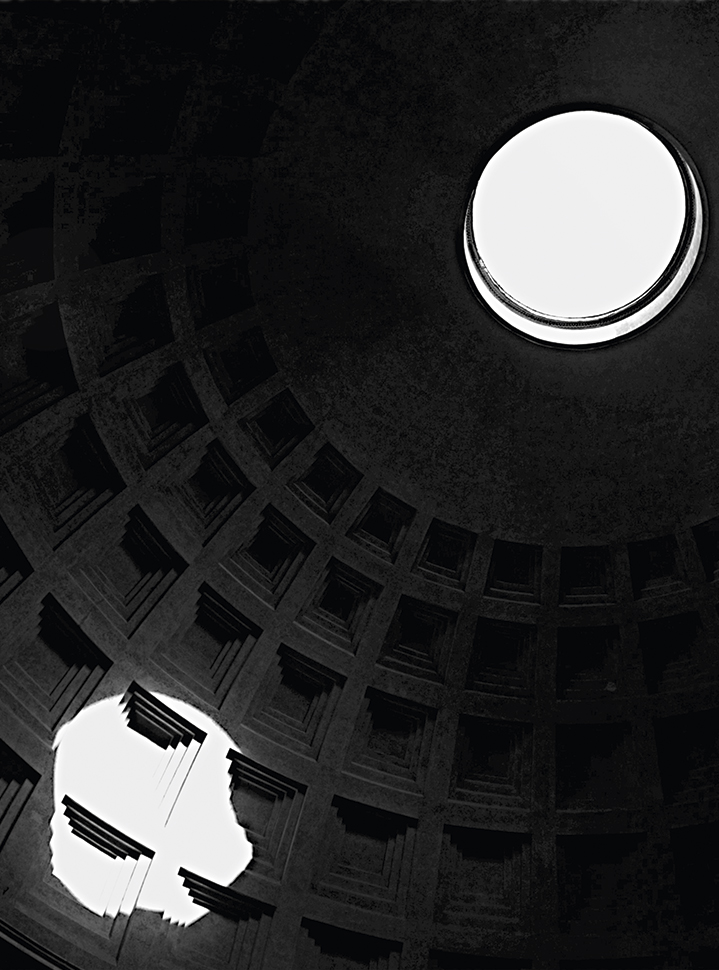
The Pantheon in Rome: When light becomes architecture
The inspiration behind Balzar Architects
For Laura Moreno, architect at Balzar Architects, one building immediately captures the transformative power of light: the Pantheon in Rome.
Its enduring relevance lies in the radical simplicity of its design. All natural light enters through a single circular opening at the crown of the dome. Without windows or additional devices, a single architectural gesture brings the sky, the passage of time, and shifting weather conditions into the building’s interior.
For the studio, the Pantheon’s most compelling quality is that light is neither a finishing touch nor a later addition. It is, quite literally, the material from which the architecture takes shape.
Image: “Panteón de Agripa (Roma)” by David V.A. is licensed under CC BY-SA 2.0.
“As the day unfolds, a circle of sunlight travels across the walls and dome, transforming the building into a sundial. Each time you enter, the space feels different.”
Laura Moreno
Light as a source of calm
This perspective also informs the studio’s residential work.
For Balzar, lighting serves above all to create a sense of calm. Instead of uniform illumination, the studio favors spaces where brighter areas sit alongside pockets of shadow.
As the architects explain, shadow is integral to domestic architecture, bringing depth, intimacy, and a sense of well-being. They also believe natural light should reveal the passage of time, from the shifting light of morning and afternoon to the subtle changes between seasons.
Artificial lighting follows the same principles: warm, understated, and thoughtfully integrated. It complements the space and carries its atmosphere into the evening.
Balzar distills this approach into a revealing observation: the best light is the light you feel before you see it.
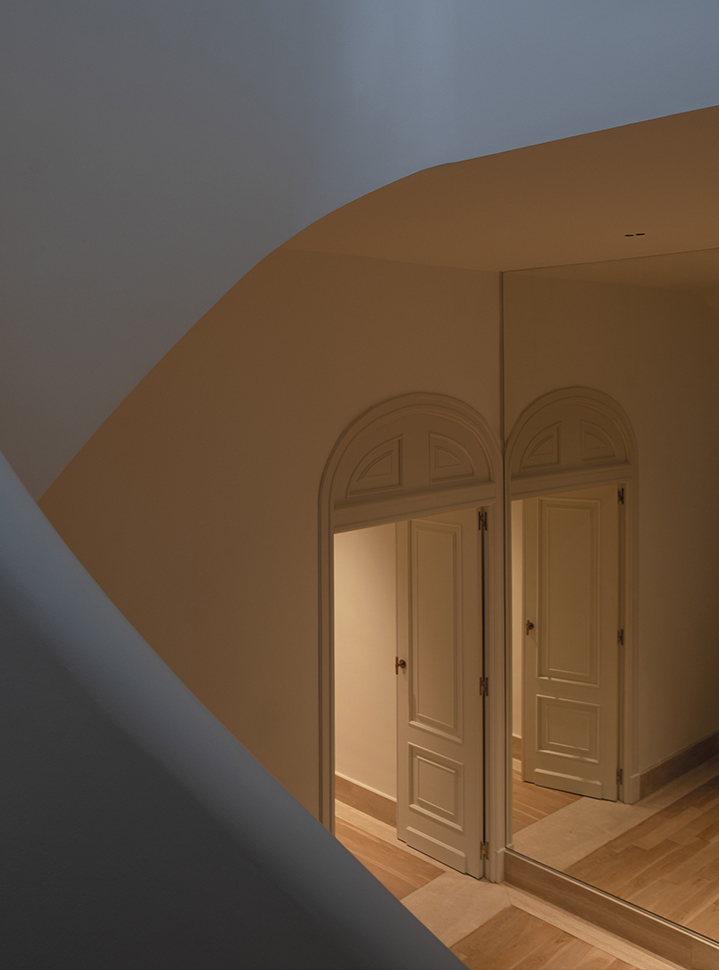
“We want natural light to shift throughout the day and with the seasons, allowing residents to sense those changes without consciously noticing them.”
Laura Moreno
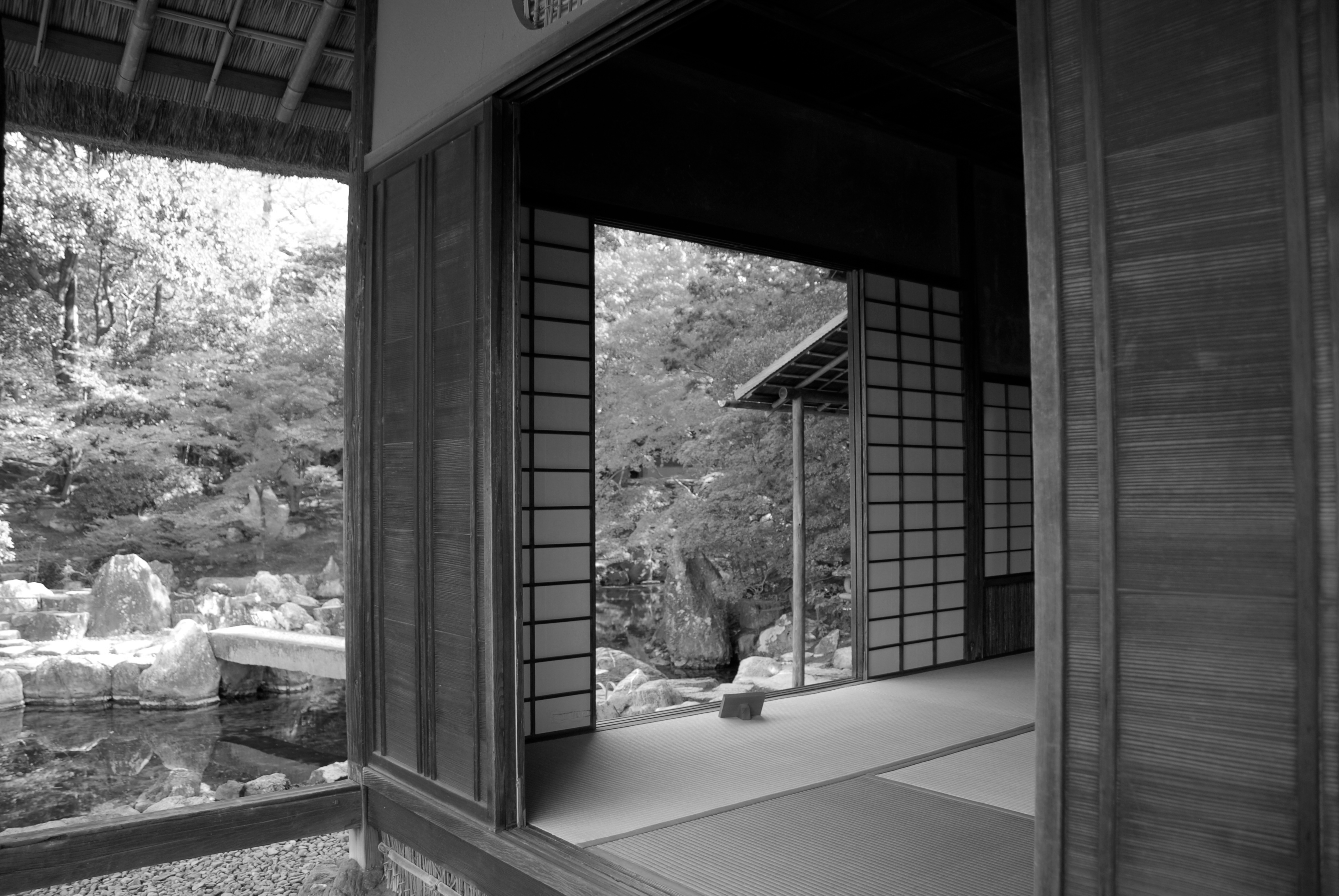
Japanese architecture and the value of shadow
The inspiration behind L35 Architects
For Cristina Anglès Farré, architect and partner at L35 Architects, inspiration extends beyond a single building to an entire architectural tradition: classical Japanese architecture, especially the Katsura Imperial Villa in Kyoto.
She is drawn to the way this architecture treats light as more than something that enters a building. Light is filtered, softened, and carefully modulated. Screens, sliding doors, and successive spatial layers introduce subtle gradations, reflections, and shadows, adding richness to the architectural experience.
Image: “Katsura Imperial Villa and Gardens, Kyoto” by np&djjewell is licensed under CC BY 2.0.
“This is an architecture that gives shadow the same value as light—an idea Tanizaki explores beautifully in In Praise of Shadows.”
Cristina Anglès
Here, shadow matters as much as illumination itself. Light reveals the space gradually, inviting a more measured and sensitive engagement with its surroundings.
Shaping Atmospheres with Light
Angles Farré remains fascinated by this capacity to create layered atmospheres through the balance of light and darkness.
Lighting can bring a detail, a piece of furniture, or an architectural feature into focus while keeping other elements partially concealed. The result is a sense of depth and nuance, with the space revealing itself gradually.
Equally important is the color temperature of light. The warm, diffuse illumination typical of these settings offers an experience that complements natural light rather than replicating it.
In L35’s work, lighting serves as an architectural design tool that can highlight materials, uses, and circulation paths. The studio increasingly turns to dynamic, adaptable solutions that respond to changing times of day and the varied ways people occupy a space.
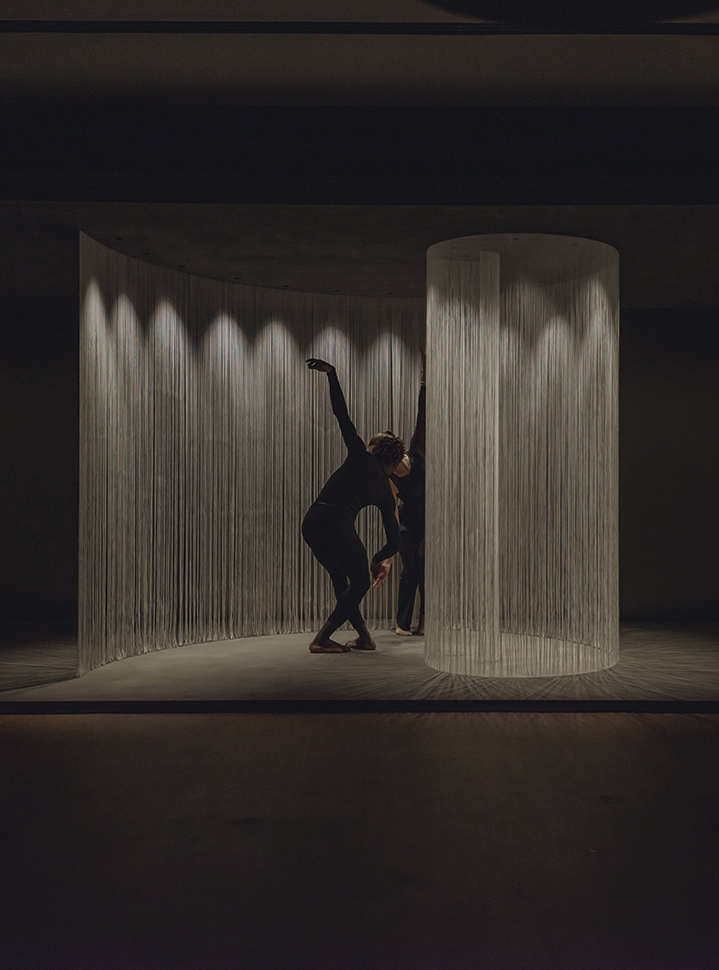
“We are drawn to light that does more than illuminate architecture—it becomes part of it and helps give it form.”
Cristina Anglès
Nezu Museum: emotion, integration, and order
The inspiration behind Francesc Rifé Studio
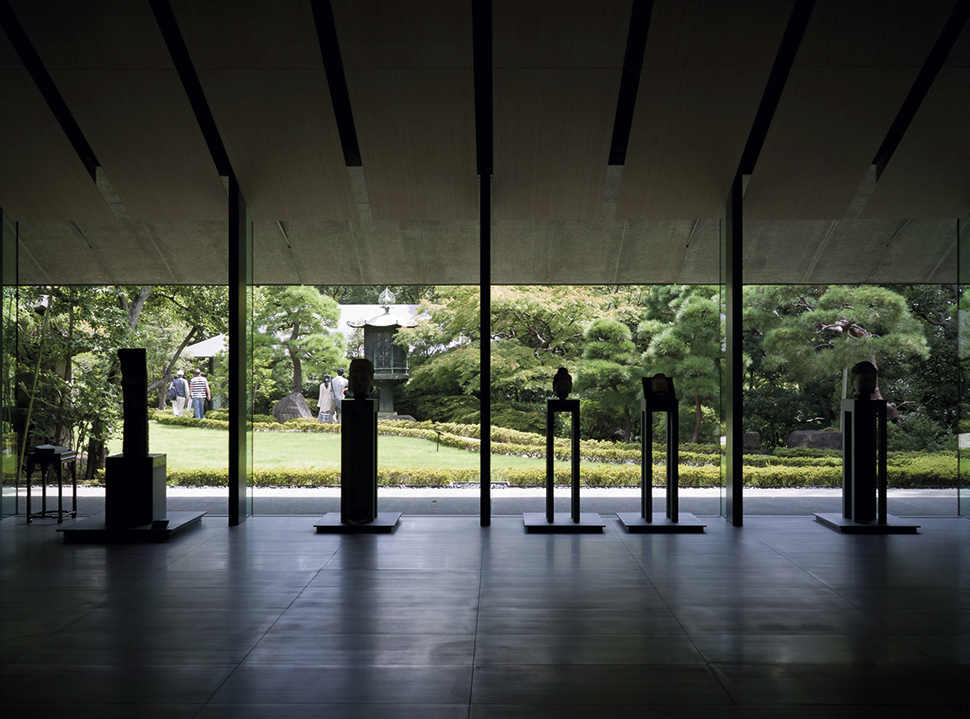
For Sergio Alfonso, architect at Francesc Rifé Studio, the Nezu Museum, designed by Kengo Kuma, stands as a particularly inspiring example of architectural lighting.
The studio is especially drawn to how light shapes the space. Lattices filter daylight to evoke the atmosphere of a forest, while lighting in the exhibition areas brings the artworks into focus, leaving their surroundings in a subtle half-light.
Image: “Nezu Museum” by kentamabuchi is licensed under CC BY-SA 2.0.
Architecture and lighting come together to shape a cohesive sensory experience that resonates emotionally.
Letting Light Take Precedence over the Luminaire
Sergio is particularly struck by the museum’s use of translucent surfaces, which produce a quality of light that recalls sunlight filtering through treetops.
For the studio, this capacity to go beyond function alone embodies one of architecture’s fundamental values.
Francesc Rifé Studio aims to bring this same emotional dimension of light to its own work. Integration, order, and spatial coherence are essential to that pursuit.
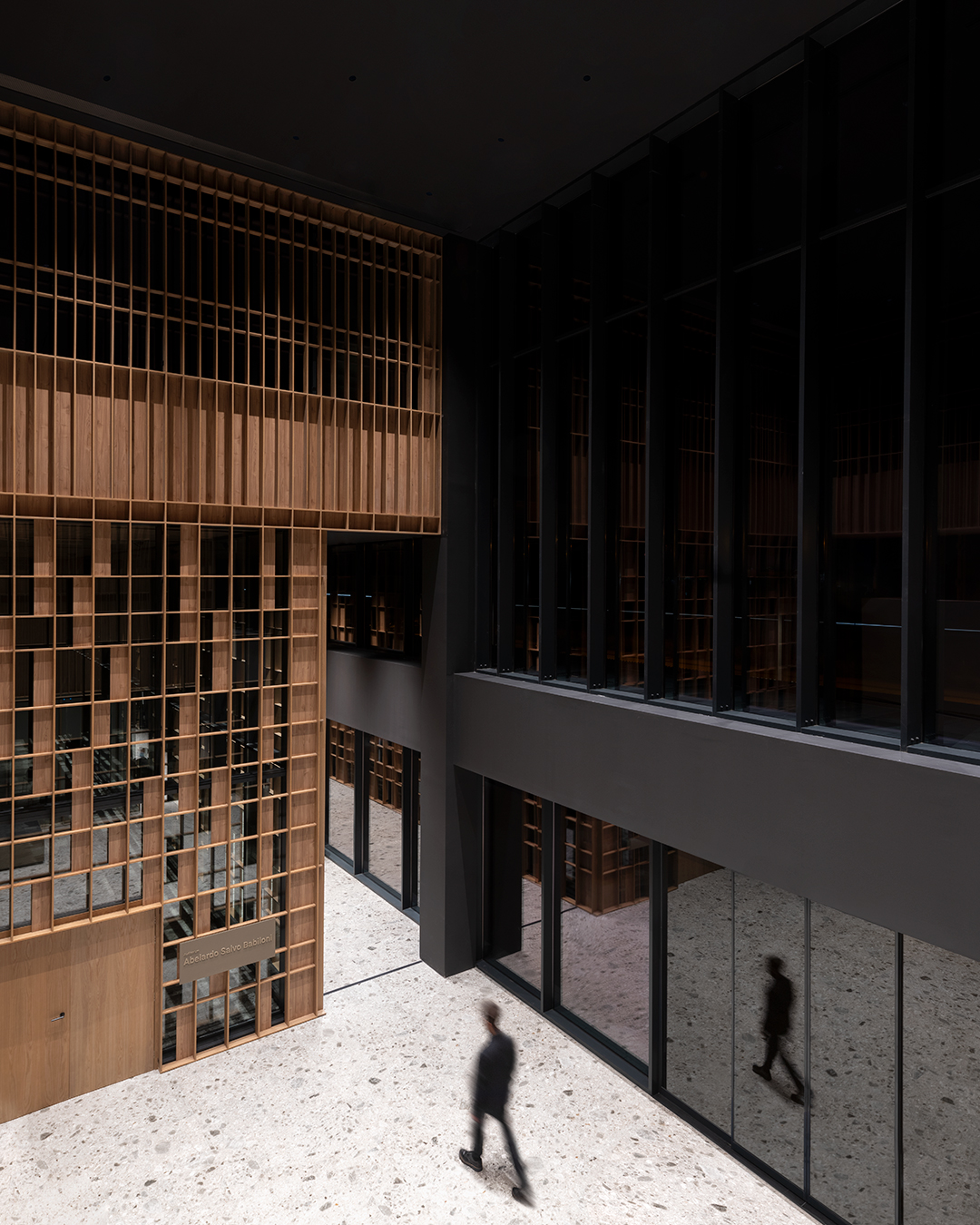
“When everything is in place, light itself takes on its rightful significance within the project, rather than the source that produces it.”
Sergio Alfonso
Though their chosen references span different eras, cultures, and contexts, Balzar Architects, L35 Architects, and Francesc Rifé Studio arrive at a shared insight: the best lighting is integral to architecture from the outset.
Whether through the sunlight streaming through the Pantheon’s oculus, the subtle gradations of light in Japanese architecture, or the light-filtering screens of the Nezu Museum, light has the power to evoke emotion, shape atmospheres, and deepen the connection between people and the spaces they inhabit.