World Architecture Day: Through the Lens
06.10.2025
- Light & Learn
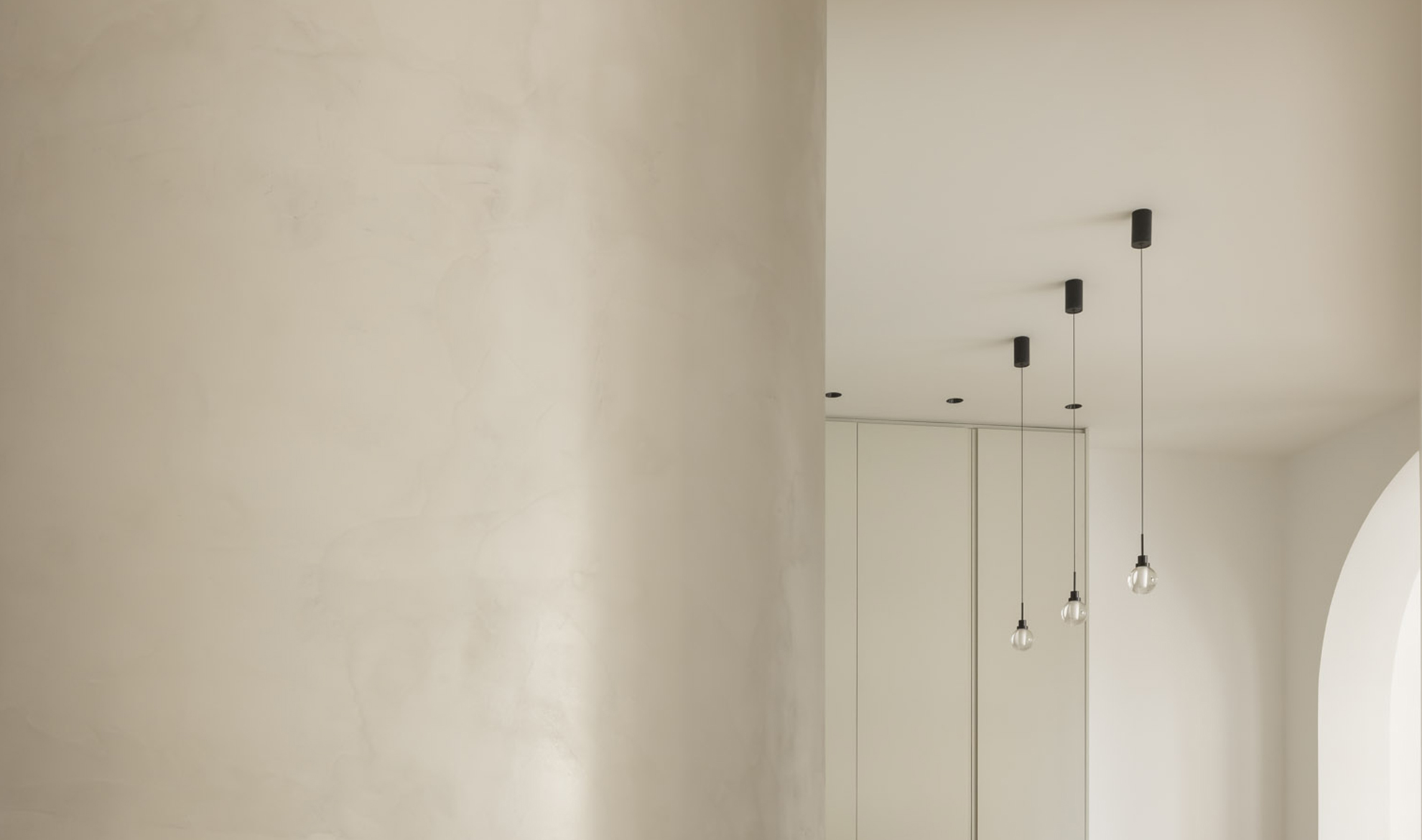
Every work of architecture emerges from an ongoing interplay of space, material, and light. Architects shape these settings; photographers, through their distinct perspectives, enable us to experience, remember, and share them around the world. Architectural photography goes beyond visual documentation: it is a language that enriches architectural culture and, at its best, conveys emotion and allows us to inhabit spaces from afar.
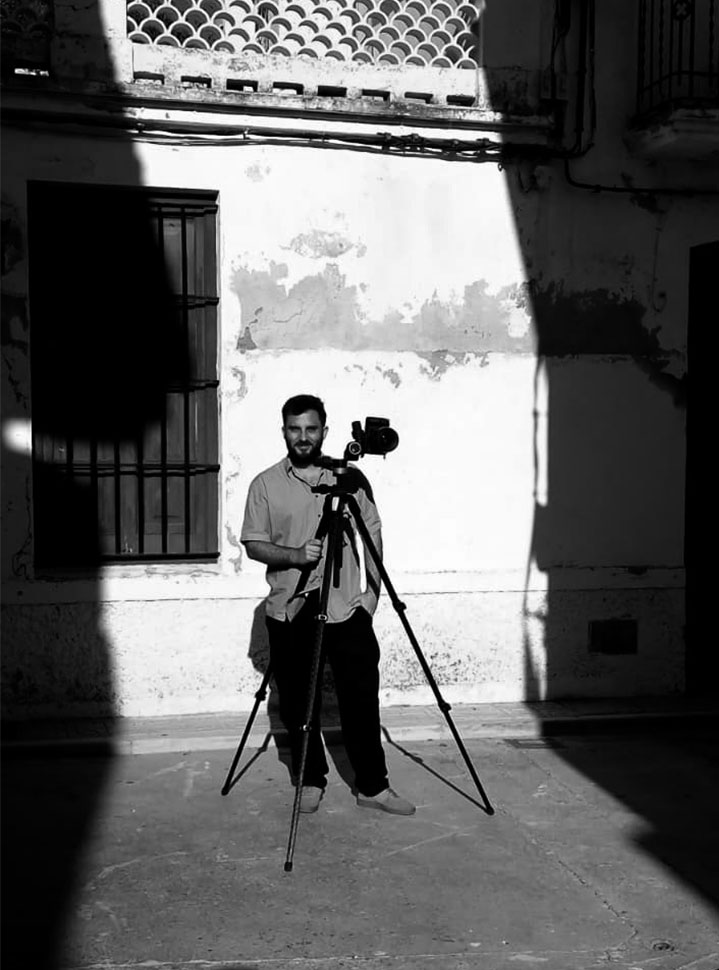
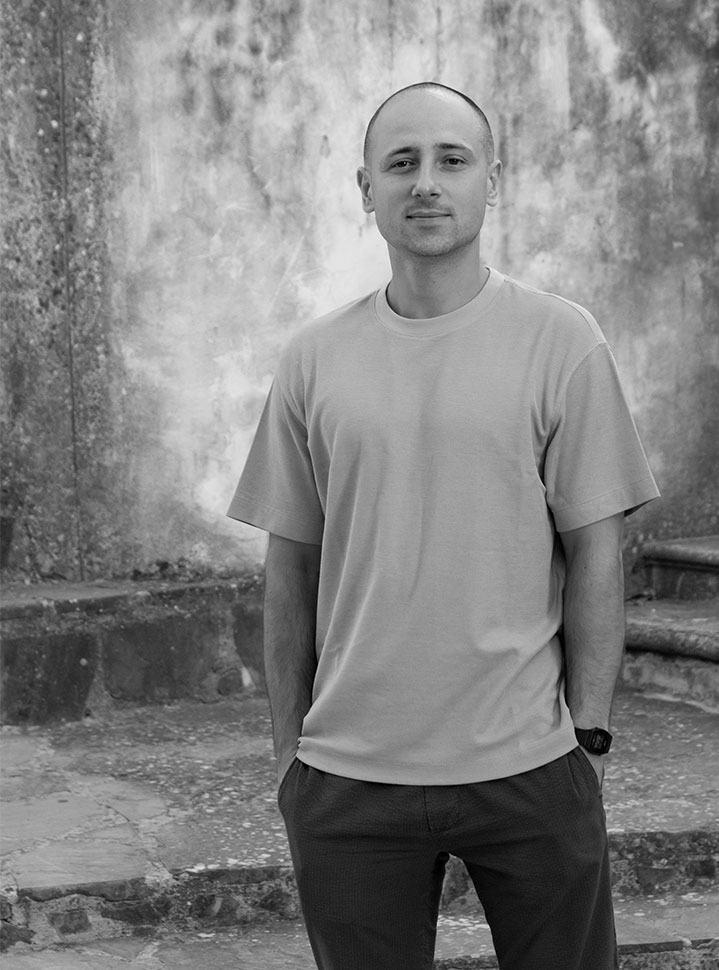
To mark World Architecture Day, we spoke with architectural photographers—David Zarzoso, Germán Cabo, and Carlo Oriente—about their relationship with light, the challenges of their profession, and photography’s role in shaping our perception of architecture.
Photography as a Bridge to Architectural Culture
The opening question was a natural one: how does photography enrich architectural culture?
“Photography has always offered a way to show the world what is being created.”
For Zarzoso, photography is also a source of inspiration—a window that invites us to travel, discover new spaces, and keep creating projects that inspire.
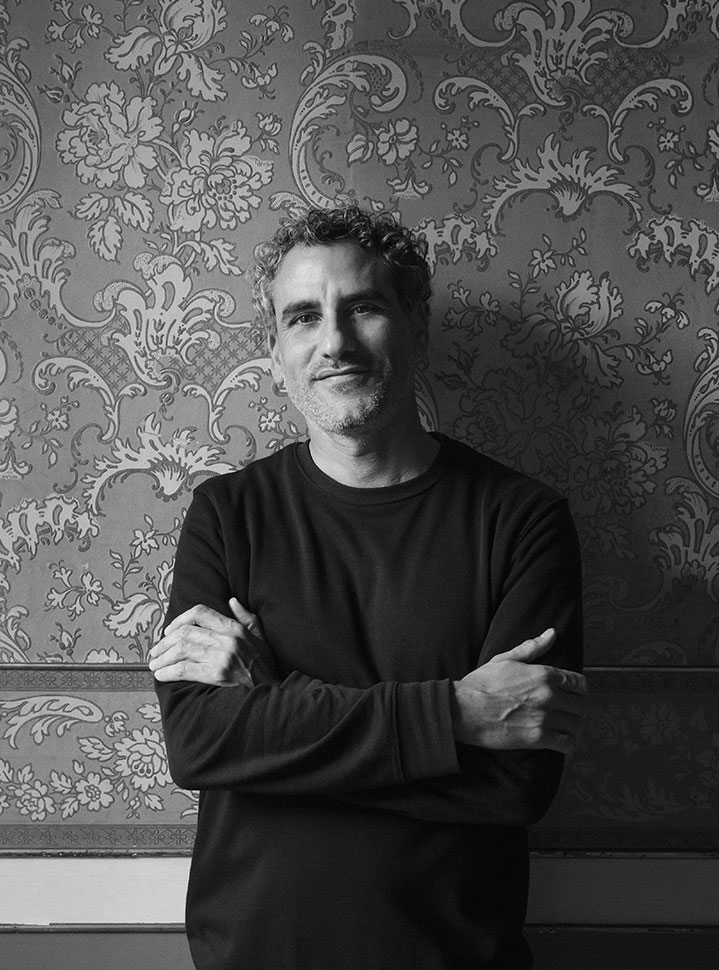
“Today, I would venture to call it the primary channel through which architectural culture is passed down over time.”
In a world driven by digital immediacy, Cabo sees photography as archive, memory, and witness. He also offers a critical observation: amid an abundance of fleeting images, photographers must preserve the truth of architectural works and build the “present and future museum of architecture.
“Photography bridges places and people, especially across great distances.”
Oriente brings a literary perspective: the photographer as narrator and chronicler, translating architectural experience into story. His images become visual narratives that connect people with architecture they may never experience firsthand.
The Challenges of the Profession
The challenges of this discipline are varied and profoundly human.
“On the day of the shoot, the space is handed to you on a silver platter after so much effort… one of the greatest challenges is doing justice to that entire process.”
—David Zarzoso
Every commission carries years of challenges, client relationships, material choices, and decisions. The photo shoot brings it all together—and calls on the photographer to rise to the occasion.
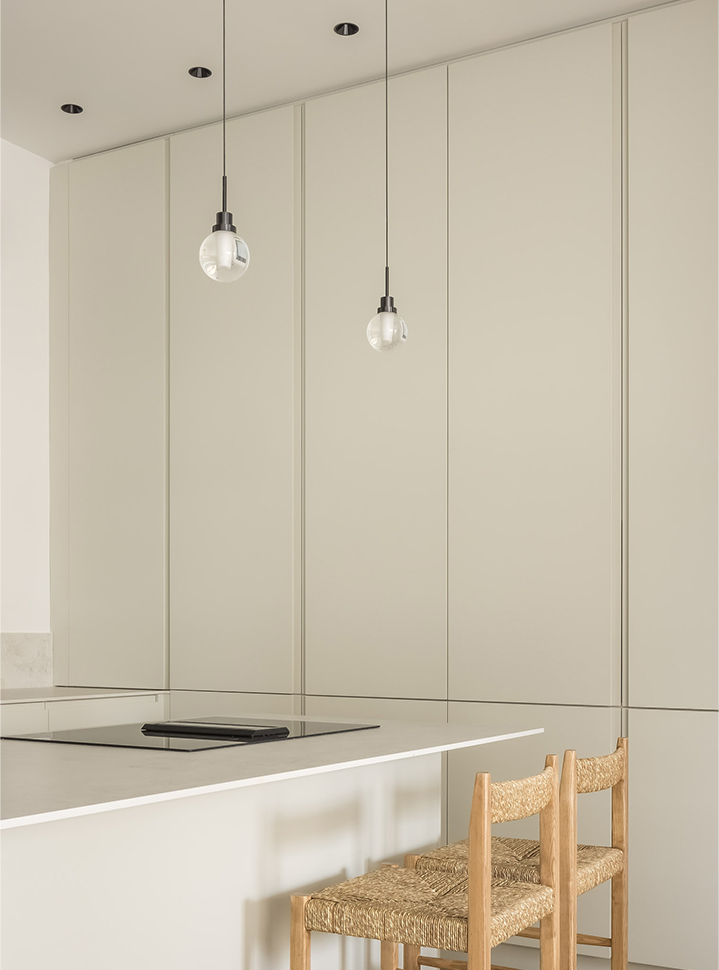
“The greatest challenge is conveying each project’s concept—originally its designer’s—through your own experience, while somehow making it your own.”
—Germán Cabo
Photographers go beyond documentation to offer an interpretation. Their subjectivity makes each work a dialogue between creator and observer.
“To experience a space in a brief time as though I knew its most intimate depths.”
—Carlo Oriente
For Oriente, the challenge takes on a theatrical quality: stepping onto the stage, understanding another person’s script, and improvising with light and time.
Photography, Light, and Architecture
Light is the thread that connects every photographer’s perspective.
“A space’s true luxury… often emerges from the relationship between light and proportion.”
—David Zarzoso
Zarzoso emphasizes light’s democratic quality: a resource shaped by the skill of architects and photographers rather than by budget.
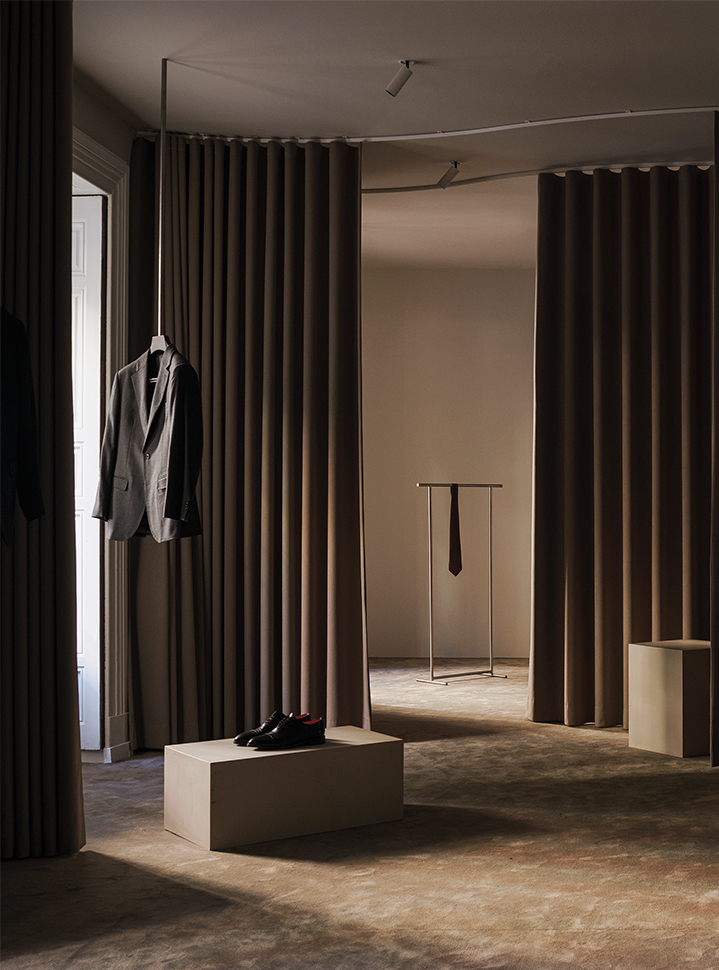
“Light transforms everything… our task is to capture the essence that lives within each space.”
—Germán Cabo
Cabo sees light as a raw material: photography cannot exist without it, and in architecture, its constant transformation gives meaning to space.
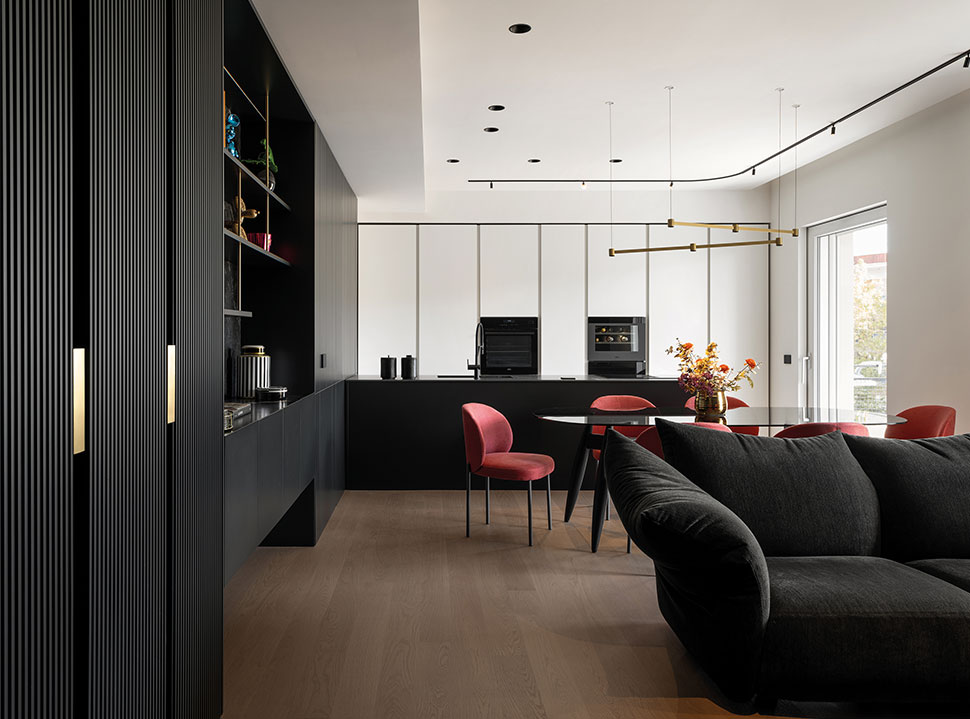
“Without light, there is no form. Without form, there is no space.”
—Carlo Oriente
Oriente offers the most radical perspective: photography, he says, reaches for light in an endless search, knowing it can never capture it completely.
Beyond its technical role, light carries emotion. Zarzoso describes narrative tools—organizing space, recreating scenes, and fragmenting viewpoints—that evoke different sensations. Cabo speaks of activating the limbic system, creating a photograph viewers want to step into. Oriente sees photography as a design tool, imagining light’s movement through space to evoke specific experiences.
Personal Sensibilities
Each photographer brings a distinct sensitivity to the work. Zarzoso describes a style that evolves with the inspiration of the moment and the influence of peers and clients. Trained as an architect, Cabo acknowledges that he starts each shoot with a technical mindset before shifting toward a more sensory awareness. Oriente follows instinct—the first impression, when light, scent, and sound awaken his gaze.
When asked what first draws their attention on entering a space, all three point to light. From there, their focus broadens to construction details, everyday life, or the apparent simplicity of a place that holds deeper experiences.
The Impression They Hope to Leave
“Someone who enjoyed making photographs with taste and simplicity, alongside people driven by their craft.”
—David Zarzoso
“I’d like my photographs to give viewers a sense of inhabiting each of those spaces.”
—Germán Cabo
“That my images might help people see architecture as both an aesthetic object and a sensory experience.”
—Carlo Oriente
Each photographer hopes to leave a different impression, yet all share a common purpose: to convey architecture as a living, inhabitable experience that resonates emotionally.
Capturing the Essence: Architecture Beyond the Object
Photography allows spaces to endure over time, continuing to inspire, inform, and contribute to the architecture of today and tomorrow.
These distinct yet complementary perspectives remind us that architecture is designed, inhabited, and narrated. Within that unfolding narrative, light remains the guiding thread.